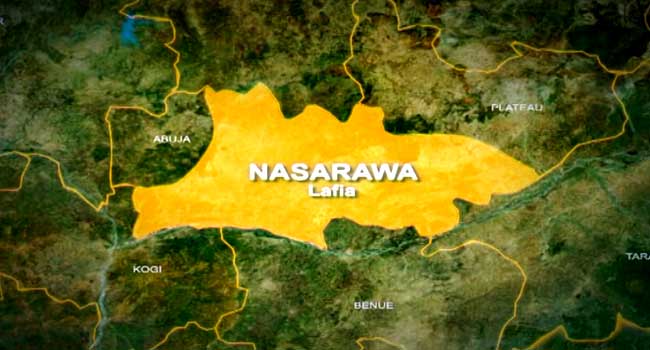
The Nasarawa State Government has appealed to lecturers in state-owned tertiary institutions to suspend their ongoing industrial action, saying a pause would allow negotiations to continue and reduce disruption to students.
Nasarawa lecturers strike and ongoing negotiations
The strike by members of the Joint Unions of Nasarawa State Tertiary Institutions (JUNSTI) was declared on 29 December 2025 after union leaders said the state had failed to implement the New National Minimum Wage as agreed. The action affects staff at Isa Mustapha Agwai I Polytechnic, the College of Agriculture, Science and Technology, Lafia, and the College of Education, Akwanga.
Peter Ahemba, Senior Special Assistant to Governor Abdullahi Sule on Public Affairs, urged the unions to reconsider. Speaking during a bi-monthly press briefing in Lafia, he said the government remained open to talks and that suspending the strike would create space for negotiators to address outstanding demands.

“We are already in January, and schools are expected to resume academic activities, yet we are faced with this strike. This situation is capable of affecting our children,” Ahemba said, appealing for restraint and cooperation from both sides.
JUNSTI chairman Samson Kale Gbande told journalists the strike followed a breakdown in trust after repeated assurances from government representatives failed to produce payroll adjustments. According to Gbande, the union met with state officials on several occasions — on 6 August, 23 October, 3 December and 15 December 2025 — and was given assurances that implementation would begin in November. Those assurances, the union says, were not honoured.
Gbande warned that delays in adjusting the salary structure had affected morale, productivity and stability within the education sector. “Regrettably, despite the union’s patience for over a year, these assurances have not translated into action,” he said.
The Nasarawa government says it remains committed to resolving the dispute and that a temporary suspension of the strike would permit renewed discussions at the negotiating table. Officials have not published a timetable for further talks but emphasised the importance of avoiding prolonged disruption to the academic calendar.
Education stakeholders expressed concern about the impact of the stoppage on students preparing to resume classes. Parents and guardians warned that an extended strike could delay examinations and course delivery, with knock-on effects for graduation and placement schedules. Civil society groups called for a speedy resolution that protects both workers’ rights and students’ access to education.
Analysts note that labour disputes over wage implementation are common in Nigeria’s federated system, where state governments must adjust local payrolls to reflect national wage changes. The government faces fiscal pressures, and unions argue that the failure to implement agreed wage rises undermines trust and service delivery in public institutions.
For now, the outcome hinges on whether JUNSTI will heed the government’s appeal and suspend the strike to allow further negotiations, or continue the action to press for immediate implementation. Both sides face pressure to reach a settlement quickly to avoid harming students and the wider education sector in Nasarawa State.
Key Takeaways:
- Nasarawa State government has appealed to striking lecturers to suspend the action to allow negotiations to continue.
- The JUNSTI strike began on 29 December 2025 over alleged failure to implement the new national minimum wage.
- Union leaders say repeated assurances from government since August did not result in implementation.
- Suspending the strike would allow talks to resume and limit disruption to students and the academic calendar.