











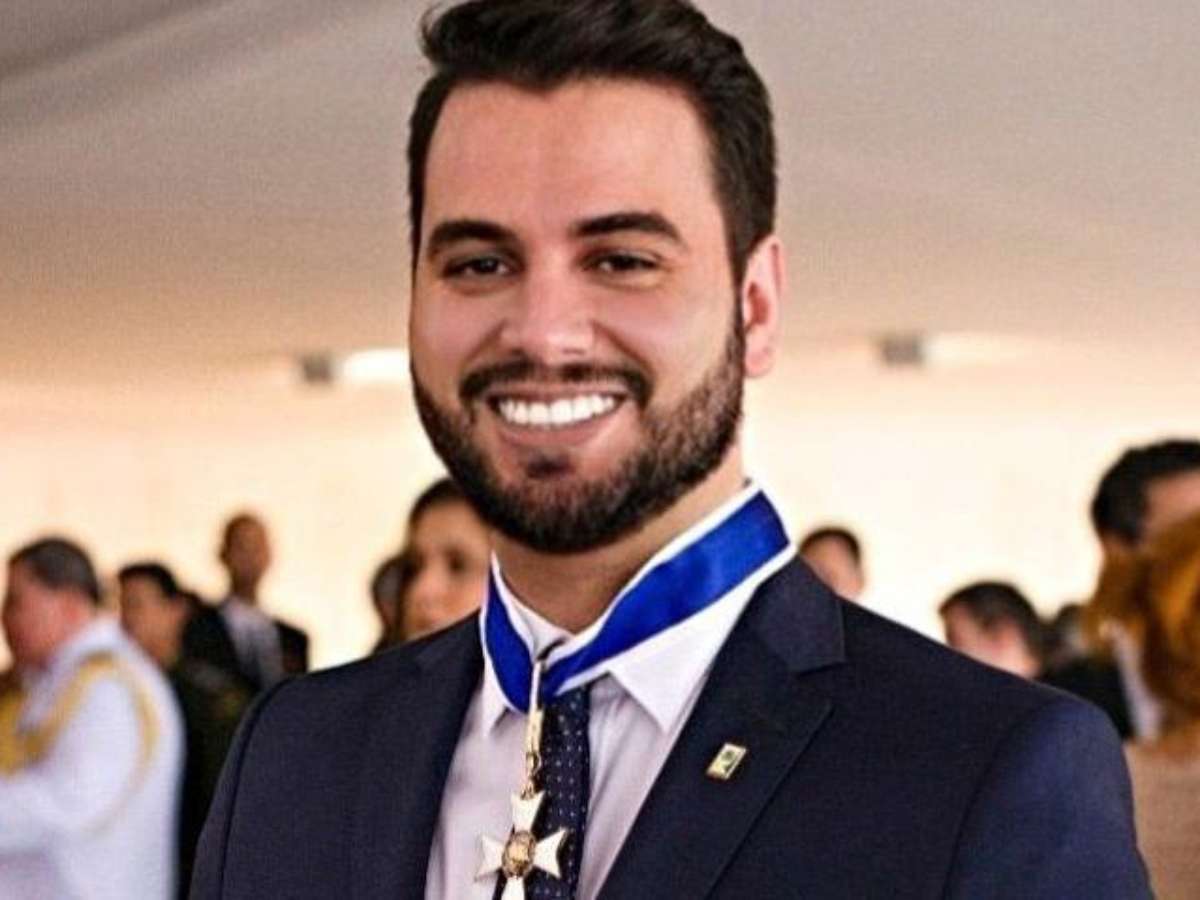
Federal Police detained Filipe Martins on the morning of Friday 2 January in the state of Paraná after Supreme Court Justice Alexandre de Moraes concluded that he breached a court order banning the use of social networks. The arrest follows an earlier conviction in December that sentenced Martins to 21 years in prison for his role in the attempted coup linked to the 8 January 2023 attacks in Brasília.
Although the sentence has not yet reached finality and appeals remain possible, Martins and other defendants had been living under house arrest since 27 December. The measure, also ordered by Justice Moraes, replaced an earlier custody regime after the attempted escape by former Federal Highway Police director Silvinei Vasques.
The house arrest carried specific conditions. The court warned that any breach could lead to conversion to preventive detention. In its order authorising the arrest, Justice Moraes cited a December 29 filing alleging that Martins had accessed the professional networking site LinkedIn, an action the judge considered inconsistent with the imposed restrictions.

Martins’ legal team promptly responded. They told the court that the access was carried out by his lawyers, who they said were responsible for the custody and exclusive management of his online accounts. The defence described this as a technical, non‑communicational activity that did not involve posting, interacting or expressing any views on social platforms.
Filipe Martins arrest
Justice Moraes, however, rejected the defence explanation. In his ruling he noted that the defence conceded there had been use of the social network and that the circumstances did not justify an exception to the restrictions. The judge wrote that such conduct represented a breach of the imposed measures and demonstrated disrespect for the rules and institutions that uphold Brazil’s constitutional order.
The case pits questions about the scope of precautionary measures and the technical management of digital accounts against the judiciary’s effort to enforce restrictions on those convicted in a politically sensitive trial. Martins’ lawyer Jeffrey Chiquini said the arrest amounted to an attempt to anticipate the start of the sentence while appeals remain pending. In a video posted on social media, he described the decision as punitive.
Legal experts note that the conviction itself remains subject to appeal and that the arrest does not, on its face, foreclose higher court review. Nevertheless, the conversion from house arrest to preventive detention typically accelerates the immediate execution of custody and can affect the practical dynamics of ongoing appeals.
The episode underscores how Brazilian institutions continue to grapple with the aftermath of the January 2023 attacks and the legal consequences for those involved. It also highlights the growing role of digital account management in legal disputes about compliance with judicial orders.
Martins’ defence is expected to file further appeals and requests for review. For now he remains in custody, and the matter is likely to draw continued judicial and political scrutiny as it moves through the appeals process.
Key Takeaways:
- Filipe Martins arrested in Paraná after Supreme Court judge Alexandre de Moraes found a breach of social media restrictions.
- Martins, previously sentenced to 21 years for his role in the January 8 attacks, was under house arrest pending appeals.
- Defence says lawyers accessed LinkedIn for account management; Moraes rejected this explanation and ordered preventive detention.
- The case highlights tensions between judicial enforcement and defence claims ahead of pending appeals.








