











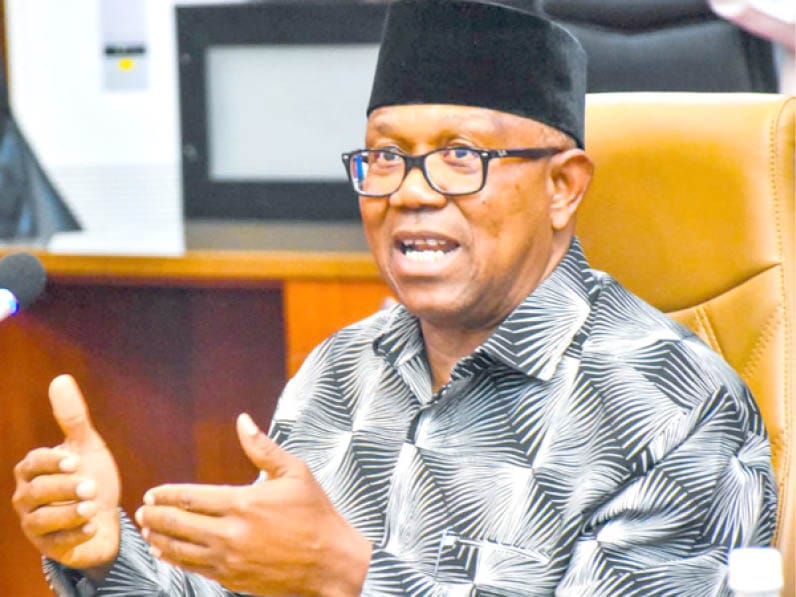
Former Labour Party presidential candidate Peter Obi has criticised Nigeria’s taxation approach, warning that current measures risk deepening hardship and eroding public trust. In a statement posted on his X account, Obi argued that government must not treat taxation as a tool to extract resources from the poor but rather as part of a social contract grounded in fairness and transparency.
Obi said prosperity cannot be achieved by taxing poverty and urged leaders to prioritise policies that strengthen incomes and expand productive capacity. “Every tax policy should be clearly explained, including its impact on incomes and its expected contribution to national development,” he wrote, adding that without such clarity taxation becomes a burden rather than a mechanism for growth.
Nigeria taxation policy must be fair and transparent
Speaking from his experience as a former state governor and presidential candidate, Obi said transformative leadership depends on honesty and openness. He insisted that taxation must be rooted in sincerity and concern for the welfare of citizens. “True leaders do not exploit their people to enrich themselves and a few cronies; they build trust, unity, and shared purpose,” he said.

Obi also expressed alarm at reports of irregularities around recent tax legislation. He said the National Assembly has acknowledged discrepancies between the version of a tax law that was passed and the version that was gazetted, a situation he described as unprecedented and deeply worrying. He argued that asking citizens to pay higher taxes under a framework alleged to be manipulated undermines legitimacy and fuels public resentment.
To restore confidence, Obi called for a lawful, people-centred tax system that supports production, rewards enterprise and protects the vulnerable. He proposed that policymakers focus on measures that empower small and medium-sized enterprises, since thriving SMEs create jobs, raise incomes and naturally broaden the tax base.
“You cannot tax your way out of poverty; you must produce your way out of it,” Obi said, urging fiscal policies that incentivise business growth rather than simply increasing revenue targets. He warned against celebrating revenue growth if it comes at the expense of citizens’ living standards, arguing that higher government receipts mean little if households become poorer.
Obi’s comments form part of a wider debate over fiscal policy and governance in Africa’s largest economy. Analysts point out that achieving sustained growth will require not only sound revenue collection but visible public investment, clear explanations of how taxes are used and accountable institutions that deliver services.
In calling for a rethink of Nigeria’s taxation system, Obi linked fiscal reform to national unity and shared prosperity. He said taxation must be judged by whether it makes people wealthier and strengthens the nation, not by short-term revenue gains. For many Nigerians struggling with high costs and limited employment opportunities, the demand for greater transparency and fairness now carries growing urgency.

Key Takeaways:
- Peter Obi warns that the current Nigeria taxation policy risks deepening hardship and undermining trust in government.
- The former Labour Party presidential candidate calls for transparency, fairness and a people-centred system to support production and jobs.
- Obi urges empowerment of small and medium-sized enterprises to expand the tax base and drive economic growth.
- Nigeria taxation policy must be clearly explained and lawful to restore public confidence and promote shared prosperity.








