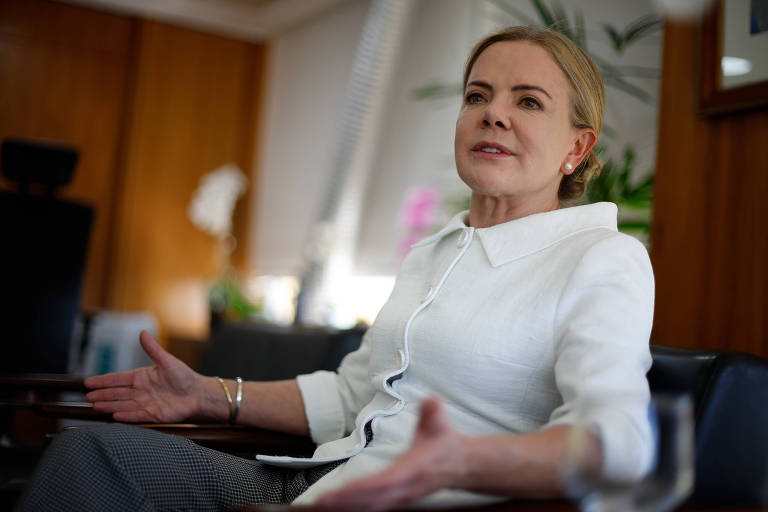
Minister Gleisi Hoffmann, who leads institutional relations for Brazil’s federal government, publicly criticised the British magazine The Economist on 1 June after the weekly argued that President Luiz Inácio Lula da Silva should not run for re-election. Her comments highlighted a wider pattern of engagement with the international publication: at times she has praised it for reporting she viewed as supportive of Lula or critical of former president Jair Bolsonaro.
Gleisi Economist comments and past praise
Gleisi called The Economist “the magazine of the global financial system, of those who make fortunes without producing anything” after the recent editorial. The criticism on social media followed the magazine’s suggestion that Lula abstain from another candidacy, a stance that the minister described as an attempt to subject Brazil again to “the dictates of the market.” She made clear her objections were focused on the electoral recommendation rather than an attack on the publication’s entire output.
Her record of references to The Economist is mixed. In August of the previous year she said a cover feature advocating the conviction of Mr Bolsonaro for an attempted coup was “very important.” In May 2019 Gleisi called The Economist one of the country’s “most serious and respected” magazines after it reported alleged links between Bolsonaro and militia groups. A decade earlier, during Lula’s second term, she cited a famous Economist cover that pictured Christ the Redeemer taking flight as a symbol of Brazil’s economic rise, describing the image as a source of national pride.

The present disagreement appears to be narrowly political and electoral. When asked by the news outlet Painel about her remarks, Gleisi said she did not disrespect the magazine but disagreed with its line on Brazil’s election. Her comment reflects a broader tension between some policymakers in Brasília and international media outlets that take strong editorial stances on domestic politics.
Implications for Brazil’s media and politics
The exchange underlines how international commentary can influence domestic discourse in Brazil, where global publications often shape debate among political elites and the public. For the Lula administration, such interventions are politically sensitive, particularly ahead of any future electoral contest. A prominent minister’s denunciation of a foreign editorial line risks amplifying polarisation, but by framing her objection as a matter of electoral disagreement Gleisi sought to limit the confrontation to policy rather than principle.
Observers say responses like Gleisi’s highlight the fine line officials walk when engaging with foreign media. Past praise suggests she accepts and sometimes endorses international reporting that aligns with her political objectives. At the same time, her recent critique shows a readiness to reject coverage that she perceives as interfering with Brazil’s sovereign political choices.
For readers and analysts, the episode offers a reminder that coverage by international outlets carries weight in Brazil’s political environment and can provoke strong reactions from senior officials. Gleisi’s clarification that her dispute is electoral indicates the government is keen to frame the matter as a policy disagreement rather than an attack on press freedom.
Key Takeaways:
- Minister Gleisi Hoffmann criticised The Economist after it argued that President Lula should not seek re-election.
- Her remarks follow a history of public praise for the magazine when it published favourable pieces about Lula or critical reporting on Jair Bolsonaro.
- Gleisi framed her criticism as an electoral disagreement rather than a dismissal of the publication’s overall credibility.