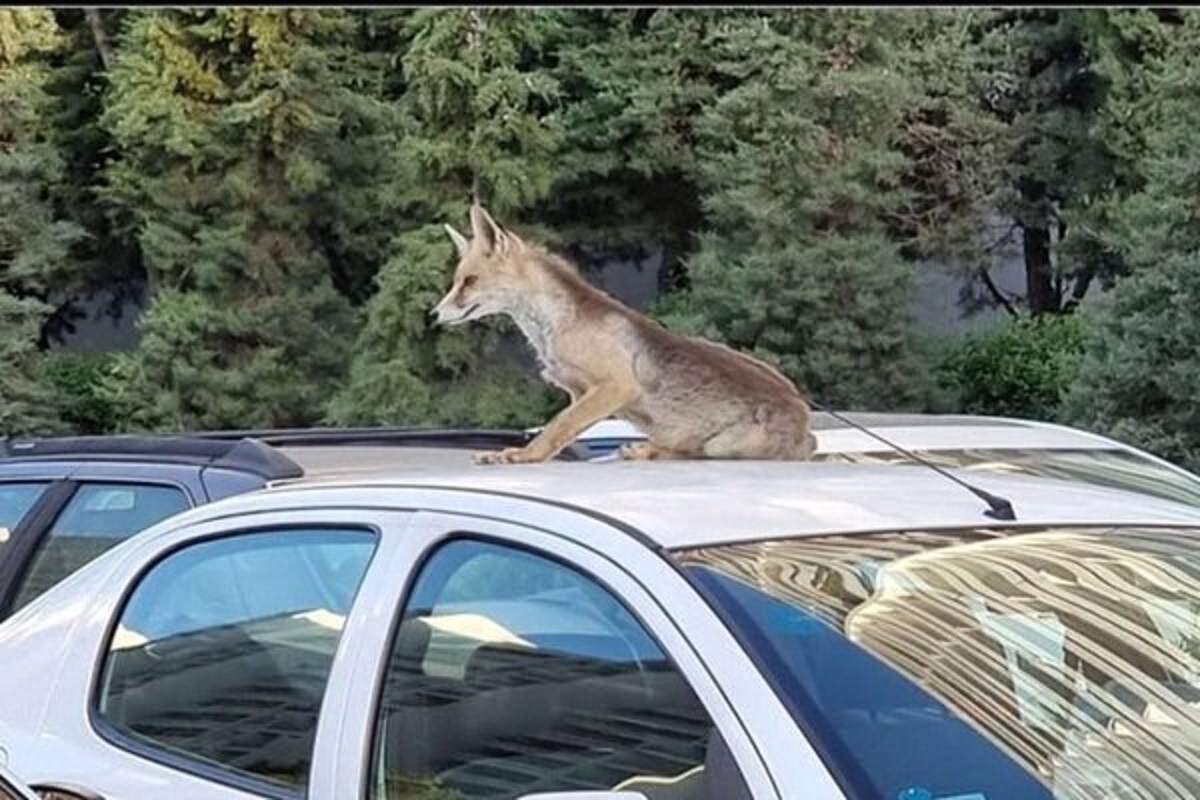
Tehran has recorded a noticeable increase in fox sightings as changing environmental and human factors push wildlife into the city. Hossein Sadeghi, head of the Municipal Pest Animal Control at Tehran’s Waste Management Organisation, said the trend reflects a combination of climate stress, shrinking natural habitats and human behaviour.
Tehran foxes: causes and responses
Sadeghi pointed to prolonged drought and declining water and food resources in areas surrounding the capital. As natural supplies dwindle, animals that once lived beyond the city’s edges move in search of sustenance. Urban expansion, road building and construction in the Alborz foothills have further reduced the range available to wildlife, increasing the likelihood of encounters in residential neighbourhoods.
Within the city, foxes find several advantages. Green spaces such as parks and peripheral woodlands offer relatively safe resting spots. The urban environment also provides easier access to food, while natural predators such as wolves are absent from most parts of Tehran. According to Sadeghi, these conditions lower the risks associated with urban life for adaptable species like foxes.

Human behaviour has amplified the problem. Sadeghi stressed that informal feeding of urban animals, a practice that has become more common, alters animal behaviour and shortens the natural distance between people and wildlife. This well-intentioned action can lead to longer-term dependence and increased conflict, with the animals ultimately being harmed.
Waste management plays a central role in reducing fox presence. The municipal official advised residents to place their refuse in municipal containers at 9pm sharp, a measure that limits nocturnal access to food scraps and reduces opportunities for foxes to scavenge. Timely collection and secure bin design can significantly lower the appeal of urban areas to these animals.
Municipal authorities are also urging a broader public information campaign. Sadeghi called for continued awareness-raising through media, national broadcasting and responsible bodies to encourage behaviour changes that protect both citizens and wildlife. Education can discourage feeding, promote correct waste disposal and inform people about how to respond to encounters.
Experts note that foxes are intelligent and highly adaptable, able to adjust their foraging and resting habits to urban rhythms. This adaptability means that long-term coexistence is possible, provided municipalities and citizens adopt pragmatic measures. These include securing food sources, managing green spaces so they do not become permanent refuges for wildlife, and monitoring populations to prevent disease risks.
Tehran’s experience mirrors trends in many cities where environmental change and urban growth intersect. While fox sightings can be a visible sign of wider ecological stress, municipal action combined with community cooperation can manage the issue without resorting to harmful measures. The priority, municipal officials say, should be to reduce incentives that draw animals into busy human areas and to ensure any management response is safe, humane and evidence based.
Key Takeaways:
- Climate change and habitat loss have pushed foxes from surrounding natural areas into Tehran.
- Urban green spaces and lack of natural predators make the city an attractive refuge for foxes.
- Human behaviours, especially feeding and waste timing, increase fox presence and future conflicts.
- Municipal measures such as timed waste collection and public education can reduce encounters and protect both people and wildlife.