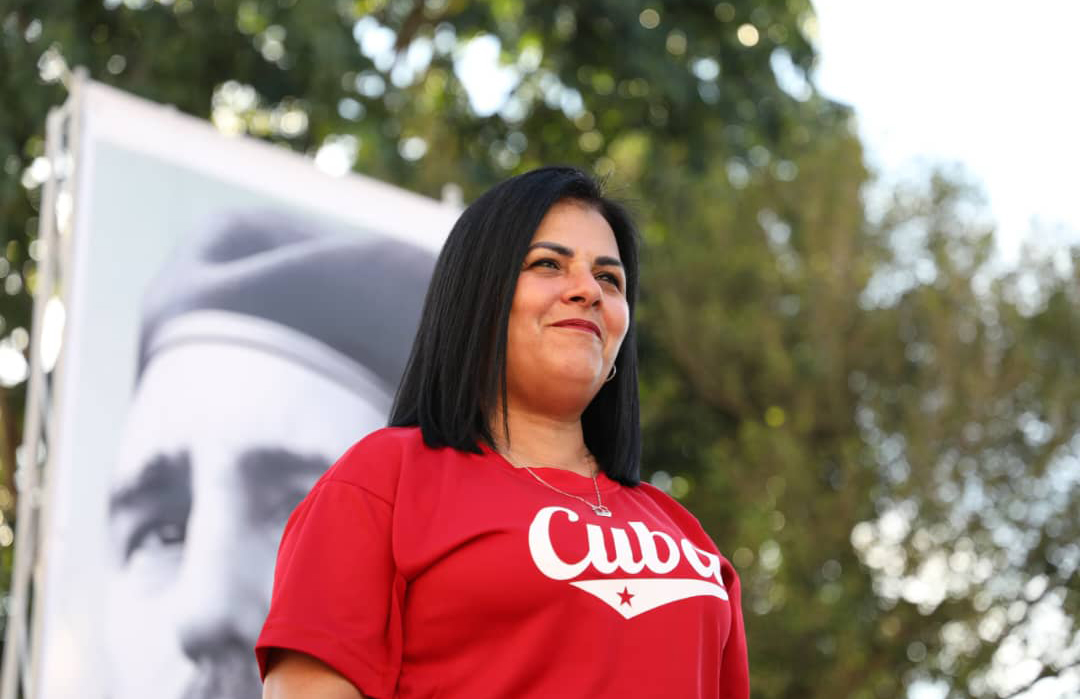
Santa Clara’s December heat is matched by a surge of communal effort in Villa Clara province as local authorities close the year promising continued public service and social activity despite ongoing material shortages. Under the leadership of Milaxy Yanet Sánchez Armas, the provincial administration has made visibility and listening central to its governing method, turning presence into a tool for problem-solving amid Cuba’s wider economic pressures.
Milaxy Villa Clara shows hands-on governance
Governor Milaxy has framed “Villa Clara with everyone” as more than a slogan. Her office cites a year of small but tangible achievements: repaired stadium paintwork, uninterrupted cultural and sporting events, and community-driven repairs in hospitals and schools. Officials say a policy of being physically present in neighbourhoods and reading public feedback daily has allowed faster responses to urgent needs.
Local leaders attribute the province’s capacity to focus resources in part to a fiscal position described as surplus for the year. That has allowed targeted structural repairs at hospitals, upgrades to paediatric care facilities and improvements to consultory clinics. Public and private enterprises have also contributed through donations and in-kind support for infrastructure work.

Investment in health, education and renewable energy
Education and health remain priorities. Villa Clara reports recovery work across multiple schools and the opening of more than 28 ‘casitas infantiles’, making it the province with the highest number of municipal early‑childhood facilities in the country. In health, officials cite ongoing projects at the José Luis Miranda paediatric hospital and specialised centres.
Energy measures form a prominent part of the year’s record. Despite national challenges in the power sector, the province has advanced in renewable generation and energy efficiency, reaching an estimated five thousand megawatt-peak capacity at year end in its projects and installing photovoltaic lamps in key public sites, including the Ernesto Che Guevara sculpture complex and parts of Santa Clara and the Caibarién seafront.
Culture and sport have been treated as essential services. Authorities report no cancellations of scheduled events, and credit a renewed sense of pride following stadium improvements and the local baseball team’s spirited campaign. Officials argue that sporting activity and cultural programming are critical to community morale and social stability.
Nonetheless, leaders acknowledge lingering challenges. Food production must expand to ease price pressures, and transport shortages persist. The government has introduced more than 60 differentiated routes at reduced fares to relieve mobility problems but concedes that not every street can be repaired immediately.
Looking to 2026, provincial officials present the centenary of Fidel Castro and the Revolution’s anniversaries as motivating milestones. The governor has pledged a year of economic growth and intensified public effort, repeating a commitment to remain at the grassroots and to rely on collective mobilisation to address shortages.
Villa Clara’s year closes as a test of local administration under strain: modest material gains, a focus on renewable solutions, and a governing style based on community proximity. Whether those measures translate into sustained improvements in living standards will depend on scaled food production, transport fixes and continued investment in essential services as the province enters the centenary year.
Key Takeaways:
- Milaxy Villa Clara has led a hands-on provincial response to shortages, prioritising presence and community mobilisation.
- Culture and sport sustained civic life despite energy constraints, reinforcing social cohesion.
- Investments targeted health, education and renewable energy, including photovoltaic lighting projects.
- Food production and transport remain priorities as Villa Clara prepares for 2026 centenary events.