











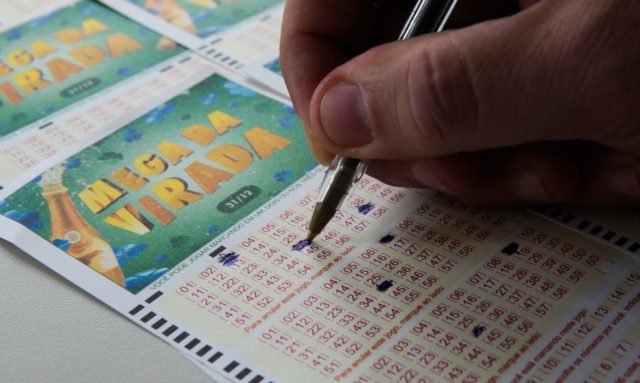
Six tickets shared the historic Mega da Virada jackpot, with each claiming an approximate R$181.8 million prize. The Caixa Econômica Federal has released the breakdown of winning tickets, revealing that only one of the six winning entries was a minimal six-number bet. The other winners increased their probability of success by playing multiple-number bets or joining syndicates.
Mega da Virada Brazil winners
The sole simple winning ticket was purchased in João Pessoa (Paraíba) at the Viva Sorte outlet. A standard six-number bet carries odds of 1 in 50,063,860. The remaining five winners used larger entries: players in Belo Horizonte and São Paulo placed nine-number bets via electronic channels; winners in Rio de Janeiro and Ponta Porã used ten-number bets, one of which was placed as a syndicate; and a Franco da Rocha group submitted a 14-number syndicate ticket, generating 3,003 distinct six-number combinations within a single slip.
The Caixa breakdown highlights the clear trade-off in lottery play. Larger entries dramatically raise the cost of a ticket while improving the chance of matching the six drawn numbers. For example, a ten-number bet is equivalent to 210 simple bets. Costs rise steeply with each additional number: a six-number bet costs R$6, a ten-number entry costs R$1,260 and a 14-number bet costs R$18,018. Corresponding probabilities improve from 1 in 50 million for six numbers to approximately 1 in 16,671 for 14 numbers.

Lottery analysts say the distribution of winning ticket types is a reminder that edge and expense go hand in hand. Syndicates and multiple-number bets concentrate more combinations on a single ticket, reducing the statistical disadvantage faced by single, minimal wagers. However, the substantially higher purchase price also increases financial exposure should the group not win.
The locations and bet types of the winning tickets were: João Pessoa (PB) — six numbers (simple bet); Belo Horizonte (MG) — nine numbers (electronic channel); São Paulo (SP) — nine numbers (electronic channel); Ponta Porã (MS) — ten numbers (syndicate); Rio de Janeiro (RJ) — ten numbers (electronic channel); and Franco da Rocha (SP) — 14 numbers (syndicate). Each ticket received the same share of the prize after division among the six winning entries.
Winners who used syndicates also face the administrative task of splitting payouts among group members and complying with any contractual agreements established when the syndicate formed. Caixa provides guidance and processes for prize collection, and winners must follow identification and tax procedures when claiming large sums.
For casual players, the Mega da Virada outcome serves as a practical illustration of probability versus cost. Minimal six-number bets remain the lowest-cost route to a win but carry long odds. Larger bets and organised pools improve numerical chances yet require greater outlay or coordinated group investment. The Caixa disclosure offers a transparent view of how different strategies played out in one of Brazil’s most watched lottery draws.
Key Takeaways:
- Six tickets each won about R$181.8 million in the Mega da Virada; only one winner used a simple six-number bet.
- Mega da Virada Brazil winners included players who used larger multiple-number bets and syndicates to raise their odds.
- A 14-number ticket produced 3,003 combinations while a 10-number bet equals 210 simple bets, substantially increasing chances at higher cost.
- The Caixa Econômica Federal breakdown highlights the trade-off between higher stake strategies and lottery odds.








