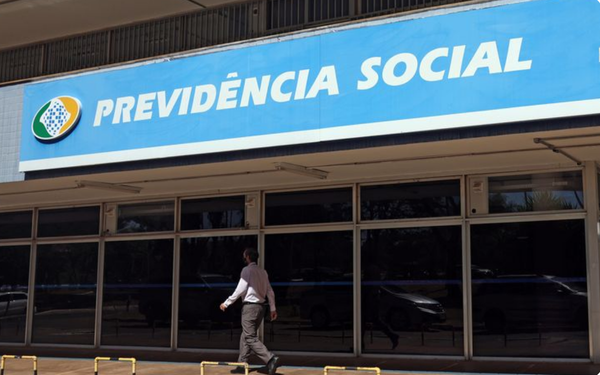
Brazilians planning retirement must reassess their plans in 2026 after automatic adjustments to the transition rules created by the 2019 pension reform. The changes, which come into effect at the turn of the year, alter the minimum age, contribution time and score thresholds for several retirement routes. They mainly affect contributors seeking retirement by time of contribution, teachers and public servants.
Brazil pension rules 2026
The reform established a set of progressive transition rules, with annual adjustments running until 2031. One of the most notable shifts for 2026 is in the points system that replaces the former 86/96 model. The combined total of age plus contribution time now requires 93 points for women and 103 points for men. The points system determines eligibility for those retiring by contribution rather than by age.
Public servants follow the same points logic but face additional minimums. Men must reach 62 years of age and 35 years of contribution, while women must reach 57 years of age and 30 years of contribution. Applicants must also show 20 years of public service and five years in the current position.

There is a separate transition rule for long-contribution workers. In 2026 the minimum age for this path is 59 years and six months for women and 64 years and six months for men. The age requirement increases by six months each year until 2031, when it will reach 62 years for women and 65 years for men. Required contribution time remains 30 years for women and 35 years for men.
Teachers benefit from tailored transition terms. In 2026 female teachers may retire from 54 years and six months, and male teachers from 59 years and six months, provided they meet the required teaching contribution time. The minimum ages rise by six months annually and will reach 57 years for women and 60 years for men by 2031. Contribution time is 25 years for women and 30 years for men. These provisions apply to private school teachers, staff at federal institutions and educators in small municipalities. State-level and large-city teaching staff follow their regimes under the respective pension systems.
The definitive rule for retirement by age has been fully in place since 2023. Men must reach 65 years and women 62 years to qualify, and both sexes must have at least 15 years of contributions. This route typically serves low-income workers or those with intermittent contribution records to the INSS.
The INSS offers simulation tools on the Meu INSS platform for computer and mobile users. The simulator presents the current age, contribution time and the remaining requirements under each applicable rule. Users can correct personal data, save results and download a PDF report, which supports better retirement planning.
Certain transition mechanisms have already concluded. The 100% and 50% ‘pedágio’ provisions no longer accept new applicants, as all eligible workers under those rules had retired by the end of 2022.
Workers and employers should review personal records and use the INSS simulators to understand how the 2026 adjustments affect retirement timelines and benefits. Financial planning and early checks can reduce surprises when applying for benefits under the evolving transition schedule through 2031.
Key Takeaways:
- Brazil pension rules 2026 introduce automatic annual increases affecting age and contribution requirements.
- Several transition paths were adjusted for contribution-based retirement, public servants and teachers.
- INSS simulations on Meu INSS help workers check eligibility and plan for retirement under the new rules.
- Some transition provisions have expired; phased increases continue until 2031.