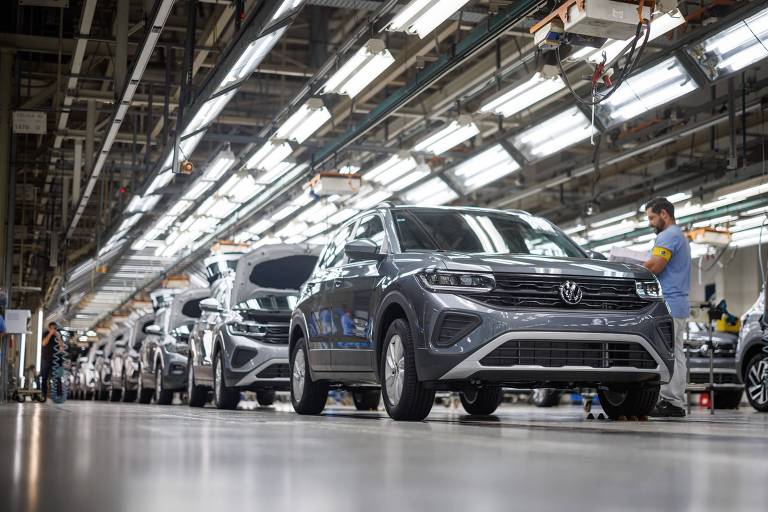
Brazil closed 2025 with 2.7 million light and heavy vehicles registered, based on preliminary Renavam data, marking a modest 2% increase on 2024. The result fell short of industry expectations and reflected the drag from sharply higher interest rates over the year.
Brazil vehicle sales 2025: modest gains and mounting concerns
Automakers initially expected stronger expansion. A year ago Anfavea was forecasting a 5.6% rise in sales across passenger cars, light commercial vehicles, buses and trucks, while Fenabrave had pencilled in roughly 5%. Those projections assumed some rate rises, but the repeated hikes that pushed the Selic rate from 12.25% to around 15% had a larger-than-anticipated effect on consumer and business financing.
The market showed resilience in the first half of the year, with registrations up 4.8%, but momentum faltered in the latter six months. The slowdown was apparent even in segments that typically hold up better during cycles: light-vehicle registrations dipped in the second half compared with the same period in 2024, while truck licences declined sharply.

Breaking the figures down, passenger cars rose 2.5% to roughly 2 million registrations and light commercial vehicles increased 3% to about 555,000 units. In contrast, truck sales fell 9% year on year to 113,500 units, the steepest contraction among the major categories.
Manufacturers have voiced concern ahead of the next six months, particularly as several new models are due to reach the market, either produced locally or imported. The weaker-than-expected performance raises questions about inventory plans, production scheduling and the timing of launches.
The government has signalled a response aimed at reviving heavy-vehicle demand: plans are under way to make around R$10 billion available in subsidised financing in 2026. Officials see cheaper credit as the most direct lever to unlock truck purchases, which are closely tied to investment in logistics and freight capacity.
For passenger cars the outlook is more complicated. Tax cuts under the Carro Sustentável programme provided some relief but were insufficient to spur robust growth in new-car purchases. High borrowing costs continue to weigh on buyers of zero-kilometre vehicles.
By contrast, the used-car market posted record activity. Fenauto reported that 16.7 million vehicles changed hands between January and November, roughly 900,000 more than the total for 2024. Higher interest rates have not deterred the market for second-hand vehicles because lower prices reduce monthly instalments and raise credit approval rates.
Industry bodies will publish consolidated Fenabrave statistics next week. In the meantime, the combination of sluggish new-vehicle demand, a booming used-car market and planned state support for heavy vehicles sets the scene for a cautious start to 2026 as manufacturers and policymakers adapt to persistently elevated borrowing costs.
Key Takeaways:
- Brazil recorded 2.7 million vehicle registrations in 2025, a 2% rise on 2024 despite earlier forecasts of stronger growth.
- High interest rates, which rose from 12.25% to 15%, curbed demand and caused a second-half slowdown, hitting truck sales hardest with a 9% fall.
- Used-vehicle transactions surged to a record 16.7 million through November, as cheaper prices offset high financing costs.
- The government plans R$10 billion in subsidised finance for heavy vehicles in 2026 to revive the truck market, while light-vehicle demand remains a concern.