Hotel occupancy in Rio de Janeiro climbed to an average of 90.58% over the New Year period, according to data published by the Sindicato dos Meios de Hospedagem do Município do Rio de Janeiro (HotéisRio). The strong performance reflects a surge in international and domestic demand that delivered a welcome boost to the city’s tourism industry.
Rio New Year tourism drives strong demand
Copacabana and Leme registered the highest occupancy rates, reaching 95.59%, followed by Ipanema and Leblon at 92.71%. The Barra, Recreio and São Conrado area recorded 89.67%, Flamengo and Botafogo 88.02%, and the city centre 85.83%. HotéisRio said the numbers point to broad-based recovery across key tourism districts.
Alfredo Lopes, president of HotéisRio, highlighted a significant presence of foreign visitors, particularly from Mercosur countries, as well as travellers from the United States, Europe and Canada. He described the celebration as a landmark event, noting that the gathering was recognised by the Guinness Book as the world’s largest New Year celebration.

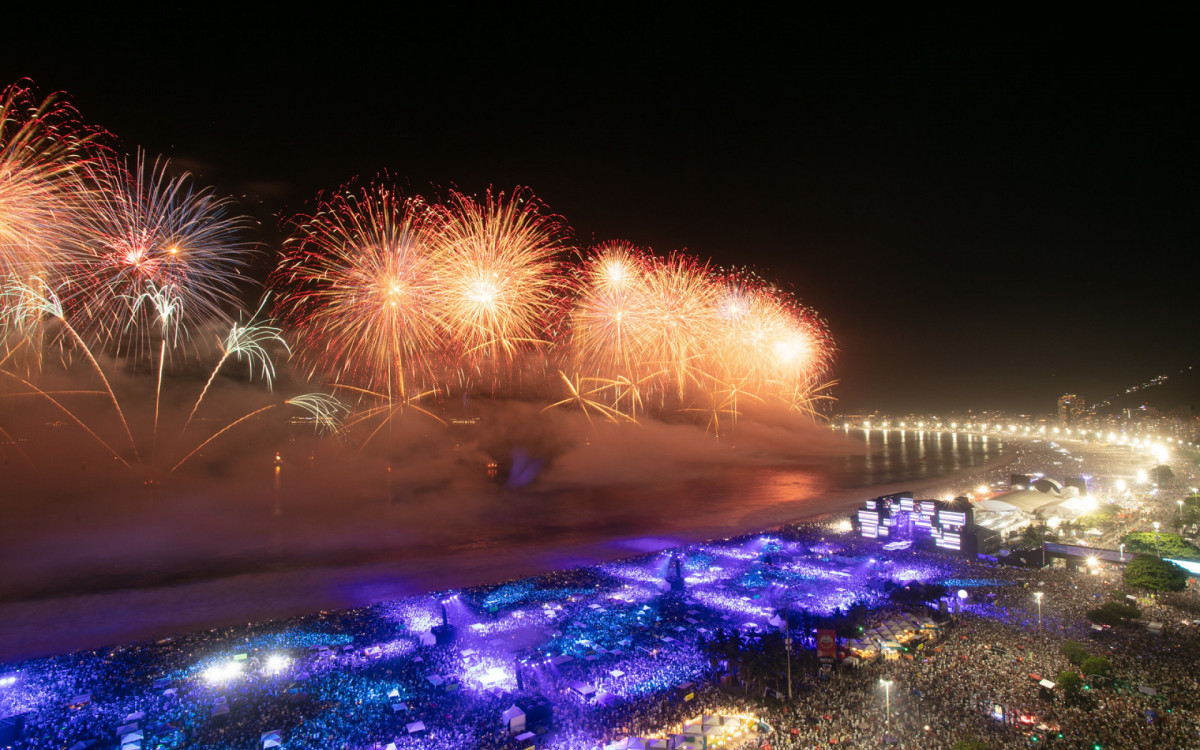
Authorities estimated that more than 5.1 million people — residents and tourists combined — attended festivities at 13 stages across the city. Copacabana alone drew around 2.6 million people, who watched a spectacle featuring 1,200 drones and large-scale fireworks launched from 19 barges. In the Barra and Recreio neighbourhoods, fireworks were set off from 12 separate locations.
HotéisRio said favourable weather helped fill beaches and public spaces, while the timing of the holiday — with New Year falling on a Wednesday — encouraged many visitors to extend their stays. Lopes noted that this pattern supported longer bookings and higher tourist spending, helping to inject funds into the local economy.
“The presence of international visitors is fundamental to our tourism recovery,” Lopes said. “This profile of visitor tends to stay longer and spend more, which directly benefits hotels, restaurants and local businesses.” He added that ongoing innovations to the New Year programme have kept Rio an attractive, competitive destination.
Industry analysts said the occupancy figures should provide a short-term lift to revenue per available room and related sectors such as dining, transport and leisure services. The mix of large public events and strong hotel demand also signals resilience in Rio’s tourism offering despite global economic uncertainties.
Looking ahead, HotéisRio and municipal authorities are focusing on converting one-off visitors into repeat guests by improving services, safety and event programming. The expectation is that continued marketing to key markets in Mercosur and North America, together with upgraded visitor experiences, will sustain recovery and promote longer-term growth in tourism receipts.
The results from this réveillon period will be closely watched by hoteliers and policymakers as they finalise strategies for the year ahead, including seasonal promotions and infrastructure investments designed to secure Rio’s position as a leading international destination.
Key Takeaways:
- Rio New Year tourism pushed citywide hotel occupancy to 90.58% during the réveillon period.
- Copacabana/Leme led with 95.59% occupancy while Ipanema/Leblon reached 92.71%.
- More than 5.1 million people attended events across the city, with 2.6 million on Copacabana beach and a 1,200‑drone show.
- HotéisRio expects foreign visitors, especially from Mercosur and Europe, to return and boost local spending.