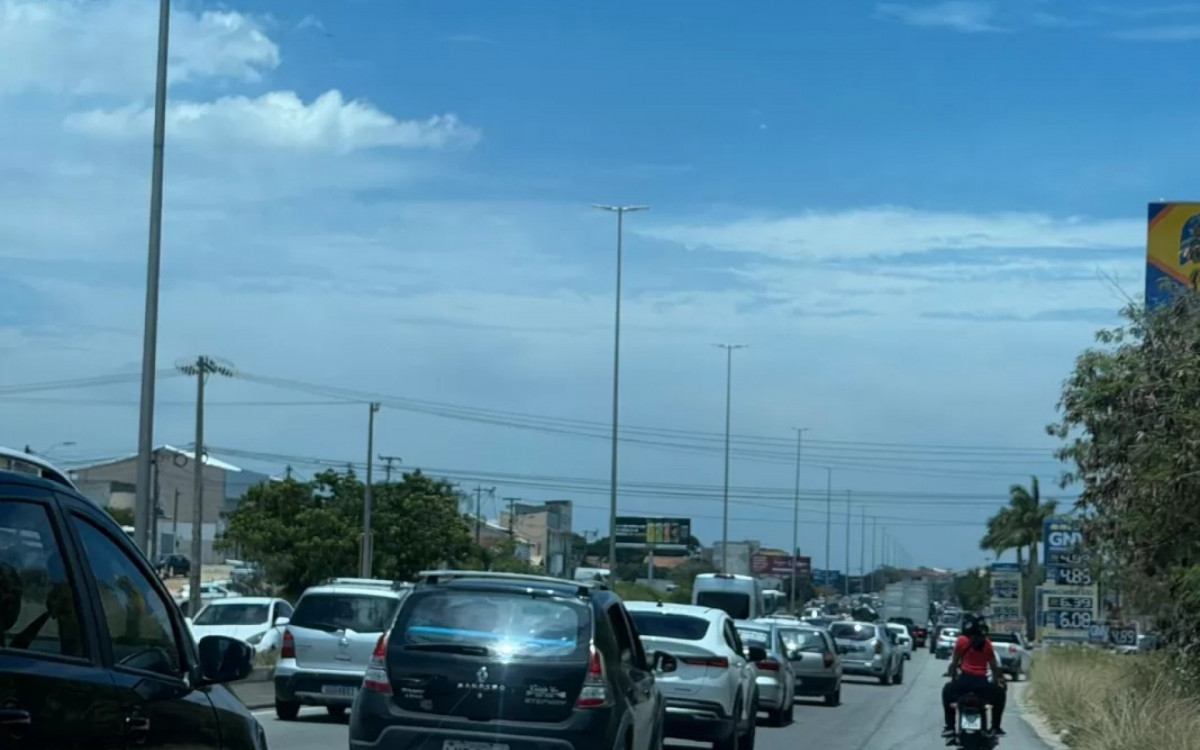
Traffic on the main access roads to São Pedro da Aldeia came to a near standstill on the afternoon of Friday 2 January, forcing drivers to exercise extra patience. Congestion built up steadily through the day, with long, slow-moving queues and frequent horn use as commuters struggled to enter and leave the municipality.
São Pedro da Aldeia traffic
Motorists reported that, despite the heavy flow of vehicles, traffic lights were operating normally. However, the usual presence of traffic wardens to manage peak movement was noticeably absent, a factor drivers say contributed to the severe bottlenecks. Without personnel to direct traffic at key junctions the result was predictable: vehicles accumulated, speeds dropped and frustration rose among those on the road.
Witnesses and commuters told local media the number of vehicles entering the city exceeded those leaving, which further aggravated congestion on the access routes. The imbalance in vehicle flow created choke points on approach roads and around intersections, stretching queues across multiple stretches of carriageway and delaying journeys by significant margins.

City authorities had not issued an immediate explanation for the lack of traffic control staff. Some drivers speculated that a staffing shortfall or redeployment for other duties may be to blame, while others pointed to the increased volume of holiday or weekend travel at this time of year. Whatever the cause, residents and visitors faced extended delays during their journeys.
Traffic experts note that physical infrastructure alone is often insufficient to maintain efficient movement when demand spikes. Human control at key junctions can make the difference between a slow but steady flow and a complete standstill. In the short term, the absence of active traffic management can transform routine congestion into a gridlock scenario.
For drivers planning to travel through or into São Pedro da Aldeia, officials recommended taking precautions: avoid peak periods where possible, allow extra travel time and consider alternative routes to bypass the worst-affected access points. Using real-time navigation apps and local traffic updates may help motorists choose less congested paths and reduce time spent in queues.
Residents expressed concern about the wider impact of prolonged congestion, including delays to emergency services, disruptions to local businesses and increased air pollution from idling vehicles. Local leaders face pressure to restore on-the-ground traffic management and to investigate measures to prevent a recurrence, such as temporary deployment of wardens during peak demand, improved signage or traffic signal retiming.
As the day drew to a close, some roads began to ease, though commuters were advised that conditions could remain variable. Authorities have been asked to provide updates and to clarify what steps will be taken to improve traffic flow and minimise disruption for drivers and residents in the coming days.
Key Takeaways:
- Severe São Pedro da Aldeia traffic stalled main access routes, causing long delays for motorists.
- Traffic signals remained operational but absence of traffic wardens worsened congestion.
- Inbound vehicle volume exceeded outbound flows, intensifying queues on access roads.
- Authorities advise avoiding peak times and seeking alternative routes until normal flow returns.