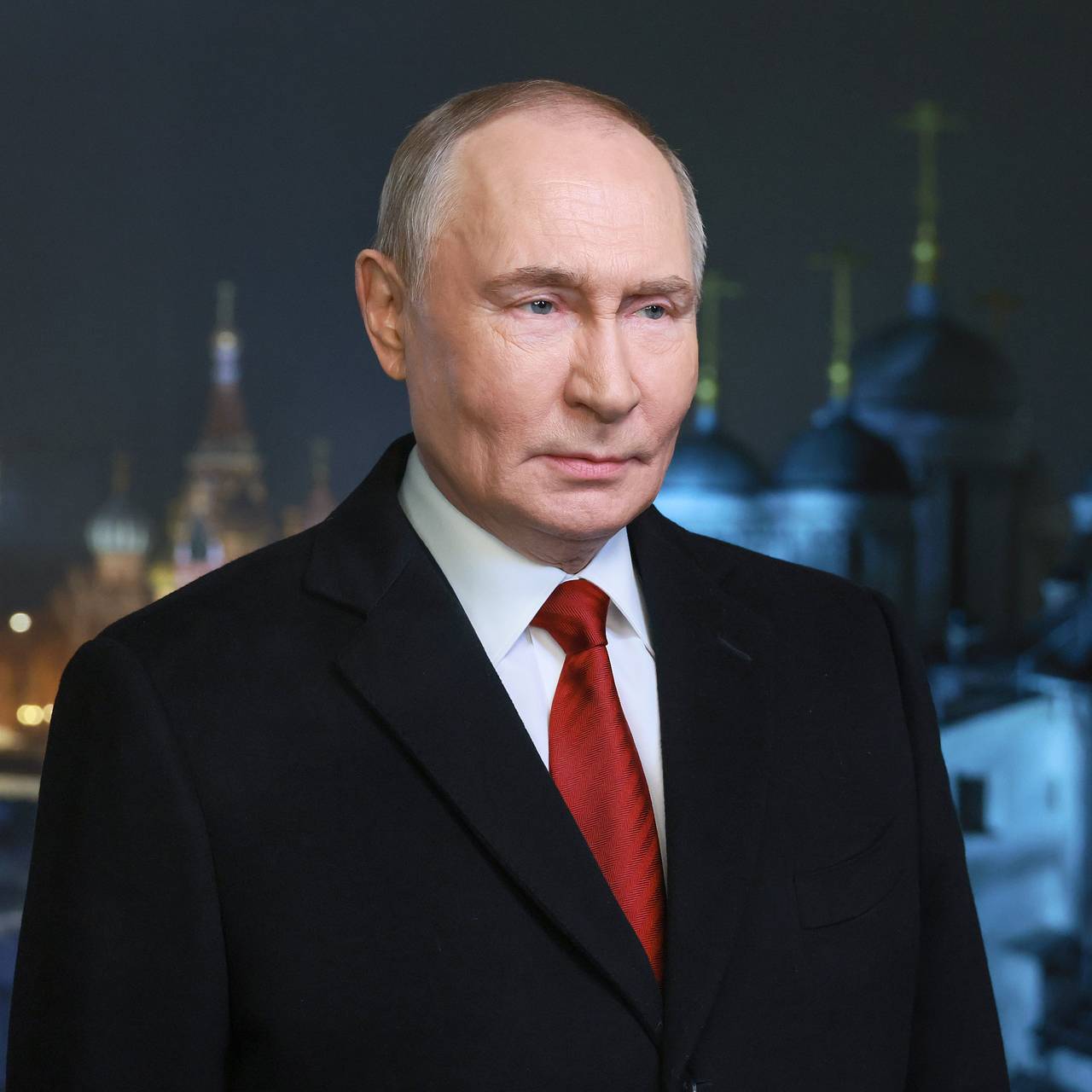
Blogger and translator Dmitry Puchkov has denied rumours that President Vladimir Putin’s New Year address was generated using artificial intelligence. Speaking to Sputnik, Puchkov said the appearance of the president in the televised message was altered by standard editorial filters rather than being the product of AI synthesis.
Putin New Year address drew scrutiny over production
Speculation over digital manipulation followed the brief televised greeting, which lasted approximately three minutes and 20 seconds. Puchkov told Sputnik that professional editors likely adjusted lighting and applied filters to improve the footage, and that such post-production steps could explain differences viewers noted in the image.
“It’s simply the work of editors who added filters to make the image look better,” Puchkov said, adding that anyone attempting to recreate the effect without the proper expertise would struggle to achieve the same result. He suggested that technical limitations, rather than deliberate deception, account for public concerns.

The president delivered his New Year message from the Kremlin, addressing Russian citizens with customary wishes for health, happiness, mutual understanding and well-being. He also offered a brief reflection on the year and called for inspiring love as a source of strength for families and communities.
Though short, the address drew attention because of growing public sensitivity to digital manipulation and deepfake technologies. In recent years, high-profile speeches by political leaders have prompted debate over the authenticity of broadcast images, pushing broadcasters and governments to be more transparent about production techniques.
Experts note that routine post-production processes can alter how viewers perceive on-screen appearances. Adjustments to lighting, colour grading and audio mastering are standard practices in broadcast media intended to ensure clarity and consistency across different filming environments. Such measures do not necessarily indicate deceptive intent, media professionals say.
Puchkov’s intervention came as social media users circulated clips and commentary that questioned whether the Kremlin had used advanced synthesis tools. The translator’s explanation aims to cool speculation by stressing the likely technical and editorial origins of any perceived changes in the footage.
Broadcasters and independent observers face a continuing challenge. As synthetic media tools become more accessible, the public’s ability to distinguish between genuine and manipulated content is under pressure. The episode surrounding the New Year message highlights the importance of media literacy, and the need for clear communication from institutions when questions arise.
For now, the Kremlin’s televised greeting remains officially presented as a conventional address, produced and edited using typical broadcast techniques. Whether further clarification will be offered by state media or independent technical assessments will depend on whether public concern persists.
Key Takeaways:
- Translator and blogger Dmitry Puchkov dismissed claims that the Putin New Year address was produced by artificial intelligence.
- Puchkov said the appearance was the result of editorial filters rather than AI manipulation.
- The presidential address lasted about 3 minutes 20 seconds and included wishes for health and prosperity.
- The discussion highlights broader public interest and scrutiny around high-profile speeches and deepfake concerns.