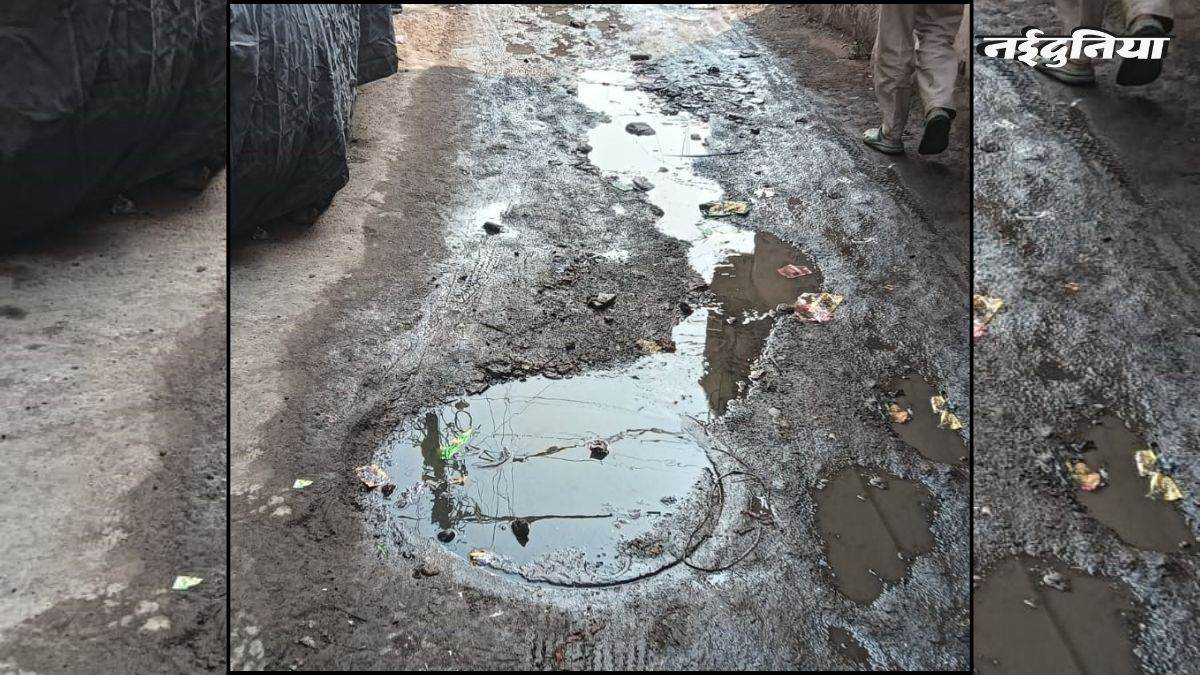
Residents of Dheeraj Nagar say they have lived for years with overflowing drains and frequent sewage seepage into neighbourhood streets. Locals warn that contaminated run-off has repeatedly come close to, and in places mixed with, municipal drinking water lines, creating an urgent public health threat that they say the administration has failed to address.
Dheeraj Nagar drainage contamination threatens drinking water
People who live in the area describe persistent blockages and stagnant water that swell during the monsoon and after heavy rains. Several households reported foul-smelling water from taps and visible discolouration. Neighbourhood representatives say leaks and illegal connections make it difficult to separate sewage from potable water infrastructure.
“We have been raising the alarm for years but there is no permanent solution,” said a long-term resident. “Every rainy season is the same. Children and elderly people fall sick and we do not know if the water is safe.”

The situation has drawn renewed attention because of the Baghirathpura case, where an alleged collapse of oversight led to acute contamination problems. Activists and local councillors say lessons from that incident have not been applied to Dheeraj Nagar, leaving residents vulnerable to similar outcomes.
Public health specialists caution that sustained contact between sewage and drinking water lines raises the risk of waterborne infections such as diarrhoea, cholera and hepatitis A. They recommend immediate testing of water supplies, targeted chlorination, and expedited repairs to damaged pipelines.
Municipal engineers said in a brief statement that drain clearance and routine maintenance are scheduled under existing programmes, but local leaders argue that efforts are sporadic and insufficient. The mismatch between scheduled works and the scale of damage has left many key stretches of the neighbourhood without proper drainage for long periods.
Short-term measures urged by experts include isolating contaminated segments of the water network, issuing boil water advisories where necessary, and supplying safe water through tanker services until repairs are complete. Long-term solutions require replacing ageing pipes, restoring proper sewer alignments, and enforcing building codes to prevent illegal connections.
Residents and community groups have called on the municipal authority to publish a clear action plan with timelines and to deploy independent water quality testing. Advocacy groups say transparent monitoring and regular public updates would restore trust and reduce health risks.
“Timely intervention can prevent an outbreak,” said a public health official. “The authorities must treat this as an immediate priority, not a routine maintenance issue.”
Until substantial repair work begins, neighbourhood volunteers have started community clean-ups and are distributing guidance on safe water practices. However, volunteers stress that grassroots efforts cannot substitute for a comprehensive infrastructure response from the municipality.
The image accompanying reports shows a clogged drain in Dheeraj Nagar with stagnant water pooling near residential buildings, underscoring the urgency of the problem. Citizens and experts alike say decisive municipal action, backed by testing and short-term relief measures, is essential to protect local health and prevent a repeat of past incidents.
Key Takeaways:
- Longstanding overflow of open drains in Dheeraj Nagar raises fears of contamination of drinking water lines.
- Residents report recurring sewage seepage, with limited municipal action despite earlier Baghirathpura warnings.
- Public health experts warn of increased risk of waterborne diseases and call for immediate testing and pipeline repairs.