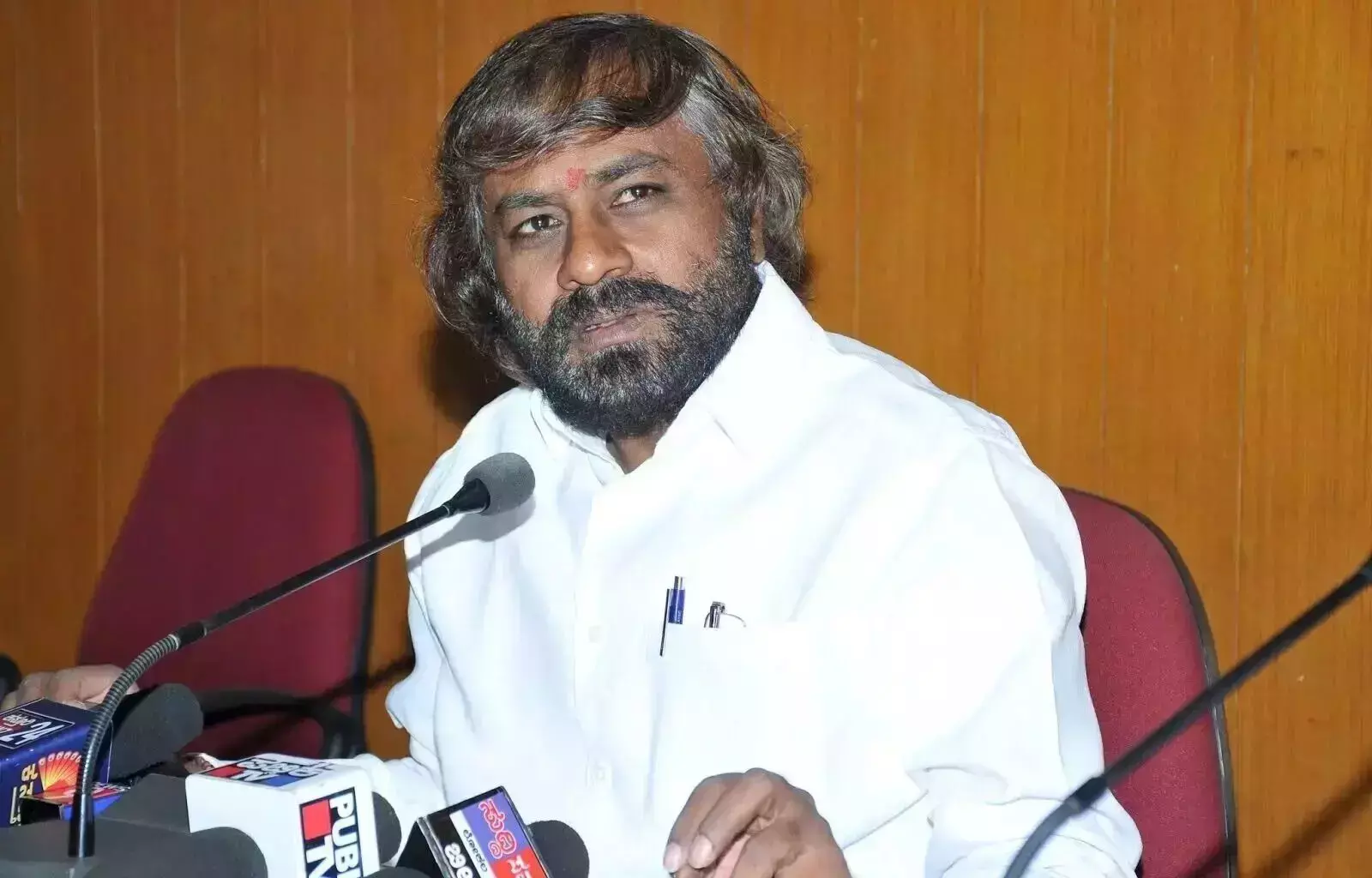
The Karnataka cabinet has cleared the development of a 153-acre biodiversity park on the northern outskirts of Bengaluru, the state’s Forest, Wildlife and Environment Minister Ishwar Khandre announced on Friday. The project, to be named the Vishwaguru Basavanna biodiversity park, has been allotted an initial fund of Rs 50 crore and is planned as a major green amenity and breathing space for the city.
Vishwaguru Basavanna biodiversity park Bengaluru to become third-largest city park
The site, located in Madappanahalli near Yelahanka, will rank as Bengaluru’s third-largest public park after Lalbagh (established 1760) and Cubbon Park (established 1870). Ministers said the approval marks the most significant large-scale park creation in the city in more than a century and is intended as both a recreational area and a conservation initiative.
According to the minister, the land was previously assigned to the Karnataka Forest Development Corporation for plantation use. The state has reclaimed the area for the forest department and outlined a phased restoration plan. Key elements include the careful removal of non-native eucalyptus trees and the planting of hundreds of indigenous species such as nandi, honne, bilva and mahabilva.

Project plans call for the creation of water bodies and native groves, the establishment of scientific information plates beside the planted trees, and a long-term educational programme to encourage public awareness. Officials have proposed that future generations be able to identify at least 50 locally significant trees by name, helping to build botanical literacy and stewardship among residents.
“We want to restore native biodiversity while providing a much-needed green space for Bengaluru residents,” Minister Khandre said after the cabinet meeting chaired by Chief Minister Siddaramaiah at Vidhana Soudha. He thanked the chief minister and cabinet colleagues for their support and described the park as a lasting legacy for the city.
The government hopes the new park will offer multiple benefits: improved air quality, enhanced urban cooling, habitat for local wildlife, and an accessible outdoor destination for families and visitors. Adding organised trails, interpretive signage and water features is expected to attract both residents and tourists, while serving scientific and environmental education purposes.
Urban planners and conservationists typically welcome projects that restore native vegetation and increase green cover, but long-term success will depend on sound ecological design and sustained funding for maintenance. The state’s decision to plant hundreds of local species rather than re-establish commercial plantation crops signals a commitment to ecological restoration rather than short-term timber production.
As Karnataka moves ahead with the development, officials have indicated the work will proceed in phases to allow habitat establishment and community engagement. If delivered as proposed, the Vishwaguru Basavanna biodiversity park will be a major addition to Bengaluru’s public spaces and a landmark example of city-scale restoration.
Key Takeaways:
- Karnataka cabinet approves development of a 153-acre Vishwaguru Basavanna biodiversity park in Bengaluru with an initial allocation of Rs 50 crore.
- The project will convert former plantation land in Madappanahalli, Yelahanka, into native-species habitat and recreation space, becoming the city’s third-largest park.
- Forest department plans phased removal of eucalyptus and planting of hundreds of native species, with scientific name plaques and water bodies to boost biodiversity.
- Officials say the park will serve as an urban lung and educational resource, encouraging future generations to identify and protect at least 50 trees.