











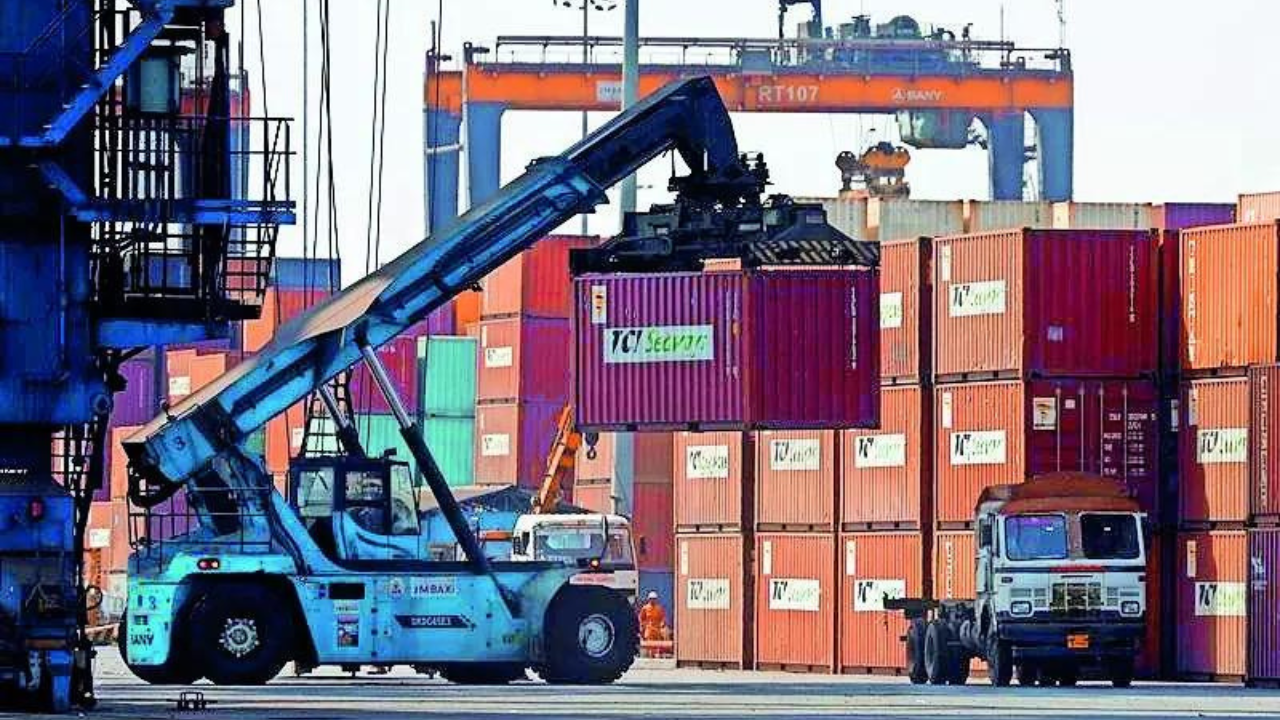
The Indian government has unveiled a Rs 7,295 crore export support package intended to ease credit access for exporters and boost bank lending to export-oriented micro, small and medium enterprises (MSMEs). The package comprises a Rs 5,181 crore interest subvention scheme and a Rs 2,114 crore collateral support measure, and will be implemented over six years from 2025 to 2031 as part of the Rs 25,060 crore Export Promotion Mission approved by the Cabinet in November 2025.
India export support package and key measures
Officials said the measures aim to tackle trade finance challenges faced by exporters at a time of global trade headwinds. Under the interest subvention scheme, exporters will receive subsidy support on both pre-shipment and post-shipment export credit, enabling access to rupee export finance at competitive rates.
The government will provide interest subvention at a rate of up to 2.75% for eligible micro, small and medium exporters. The annual benefit for each firm will be capped at Rs 50 lakh. Subvention rates will be reviewed twice a year, in March and September, against domestic and global benchmarks. The Reserve Bank of India, in coordination with the Directorate General of Foreign Trade (DGFT), will act as the implementing authority and will issue detailed guidelines in due course. A pilot roll-out will precede full implementation so that the scheme can be refined based on operational feedback.

Collateral guarantees to unlock working capital
The collateral support scheme offers a credit guarantee cover for export-linked working capital loans to MSMEs. Under this measure, collateral guarantee of up to Rs 10 crore per firm will be available. Guarantee coverage will reach up to 85% for micro and small exporters, and up to 65% for medium exporters. The Credit Guarantee Fund Trust for Micro and Small Enterprises (CGTMSE) will notify the guidelines for the collateral support scheme, which will also begin with a pilot phase before integration into a wider overhaul of export-promotion frameworks.
Both the interest subvention and collateral support schemes will apply only to exports from a selected positive list of products. According to DGFT guidance, defence and SCOMET (Special Chemicals, Organisms, Materials, Equipment and Technologies) items are included, while restricted products, waste and scrap, and goods already covered under production-linked incentive (PLI) schemes are excluded.
Expected impact and next steps
Commerce Ministry officials expect the package to complement existing credit-guarantee mechanisms and to stimulate bank lending to exporters, particularly smaller firms that often face higher borrowing costs and collateral constraints. By making rupee export credit more affordable and reducing collateral barriers, the scheme seeks to preserve export competitiveness and support jobs in export-linked industries.
Detailed operational guidelines from the RBI, DGFT and CGTMSE are awaited. Authorities have signalled a measured rollout through pilots to assess effectiveness and incorporate refinements before wider deployment. The success of the measures will depend on timely guideline issuance, effective coordination between agencies and active participation from banks and lending institutions.
For exporters, the package offers a combination of lower interest costs and stronger collateral support that could ease liquidity pressures and encourage greater export activity over the coming years.
Key Takeaways:
- India export support package worth Rs 7,295 crore will improve exporters’ access to credit through interest subvention and collateral guarantees.
- Rupee interest subvention of up to 2.75% for eligible MSMEs, capped at Rs 50 lakh per firm annually; rates reviewed twice yearly.
- Collateral guarantee cover up to Rs 10 crore per firm, with 85% coverage for micro and small exporters and 65% for medium exporters.
- Measures run from 2025–2031 under the Export Promotion Mission; pilot phases and implementing guidelines to follow.








