The Indian government has approved 22 additional investment proposals under the Electronics Component Manufacturing Scheme (ECMS), covering projects valued at ₹41,863 crore. The approvals, announced on Friday, bring the total number of sanctioned firms under ECMS to 46 and lift cumulative committed investment to ₹54,567 crore.
The latest approvals span a wide range of components. Firms granted support include TDK India, BPL, Wipro Hydraulics, Motherson Electronic Components, Tata Electronics, Foxconn arm Yuzhan Technology, Samsung Display, Dixon and Hindalco. The projects will manufacture capacitors, lithium-ion cells for electronic devices, copper-clad laminates, enclosures, anode material, connectors, displays and camera module sub-assemblies.
India electronics manufacturing boost and policy push
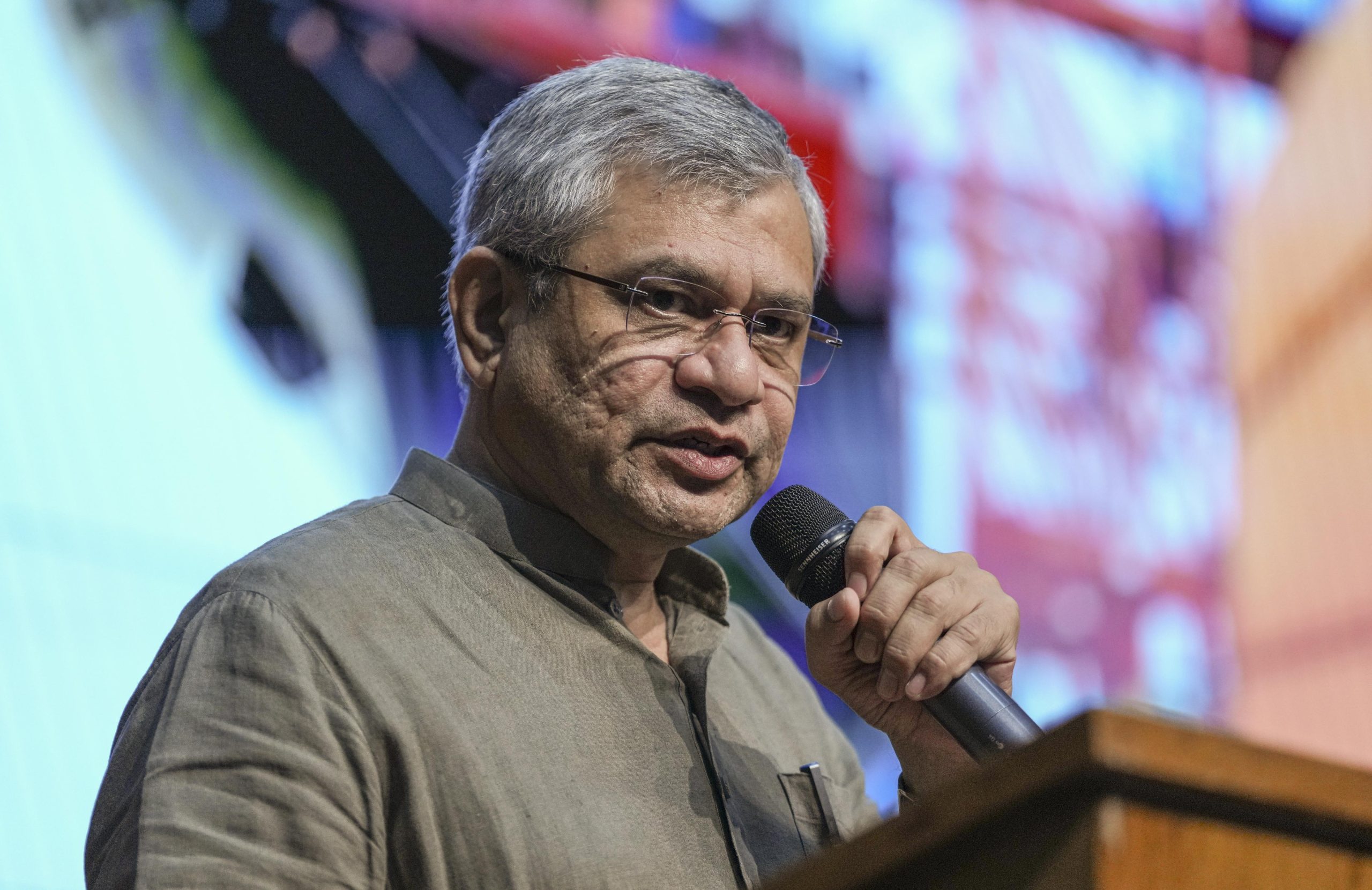
Union Electronics and Information Technology Minister Ashwini Vaishnaw, while distributing approval letters, stressed the need for domestic design capabilities. He said every firm should establish in-house design teams, even if they begin with only a couple of employees. “If there are big teams, that is most welcome,” he added.

Vaishnaw proposed that approved companies and industry bodies collaborate with educational institutes to develop standardised design facilities that other firms can use. He asked companies and their associations to submit a detailed six-week plan outlining the tools, software and hardware required to set up indigenous electrical, electronic and mechanical design centres.
The minister also urged manufacturers to adopt Six Sigma standards to ensure products from Indian plants meet global quality benchmarks. To stimulate domestic supply chains, the government encouraged electronic and semiconductor firms to procure as much as possible from Indian vendors and offered to coordinate vendor-buyer meetings across ministries where feasible.
On proposed changes to the Design Linked Incentive (DLI) scheme, Vaishnaw signalled a more market-driven approach. Future funding support will be prioritised for companies and start-ups whose designs are validated by the market and consumers. He indicated that post-initial support, financing would be proportionate to venture capital participation, aligning with global norms.
The government also provided a timeline for semiconductor assembly units. Four facilities operated by Micron, CG Power, Kaynes and Tata Electronics are expected to commence commercial production before the end of the year, a development that would strengthen India’s component assembly ecosystem.
Industry watchers say the fresh ECMS approvals could accelerate localisation of supply chains and reduce reliance on imports for key electronic components. By tying incentives to design capability, the government aims not only to expand manufacturing capacity but also to raise value capture domestically through engineering and product development roles.
The approvals and policy nudges demonstrate a clear push to make India a more significant player in global electronics manufacturing. For participating firms, the combination of investment support, encouragement to build in-house design talent and closer engagement with domestic vendors offers a roadmap to scale production while meeting international quality standards.

Key Takeaways:
- India electronics manufacturing boost: Centre approves 22 new ECMS projects worth ₹41,863 crore, taking total ECMS investment to ₹54,567 crore.
- Approved firms include TDK India, Samsung Display, Tata Electronics, Foxconn arm Yuzhan Technology, Dixon and others producing capacitors, Li-ion cells, displays and camera modules.
- Union minister urges in-house design teams, standardised design centres in institutes, Six Sigma quality standards and greater domestic sourcing.
- Semiconductor assembly units from Micron, CG Power, Kaynes and Tata Electronics are expected to start commercial production by year end.