











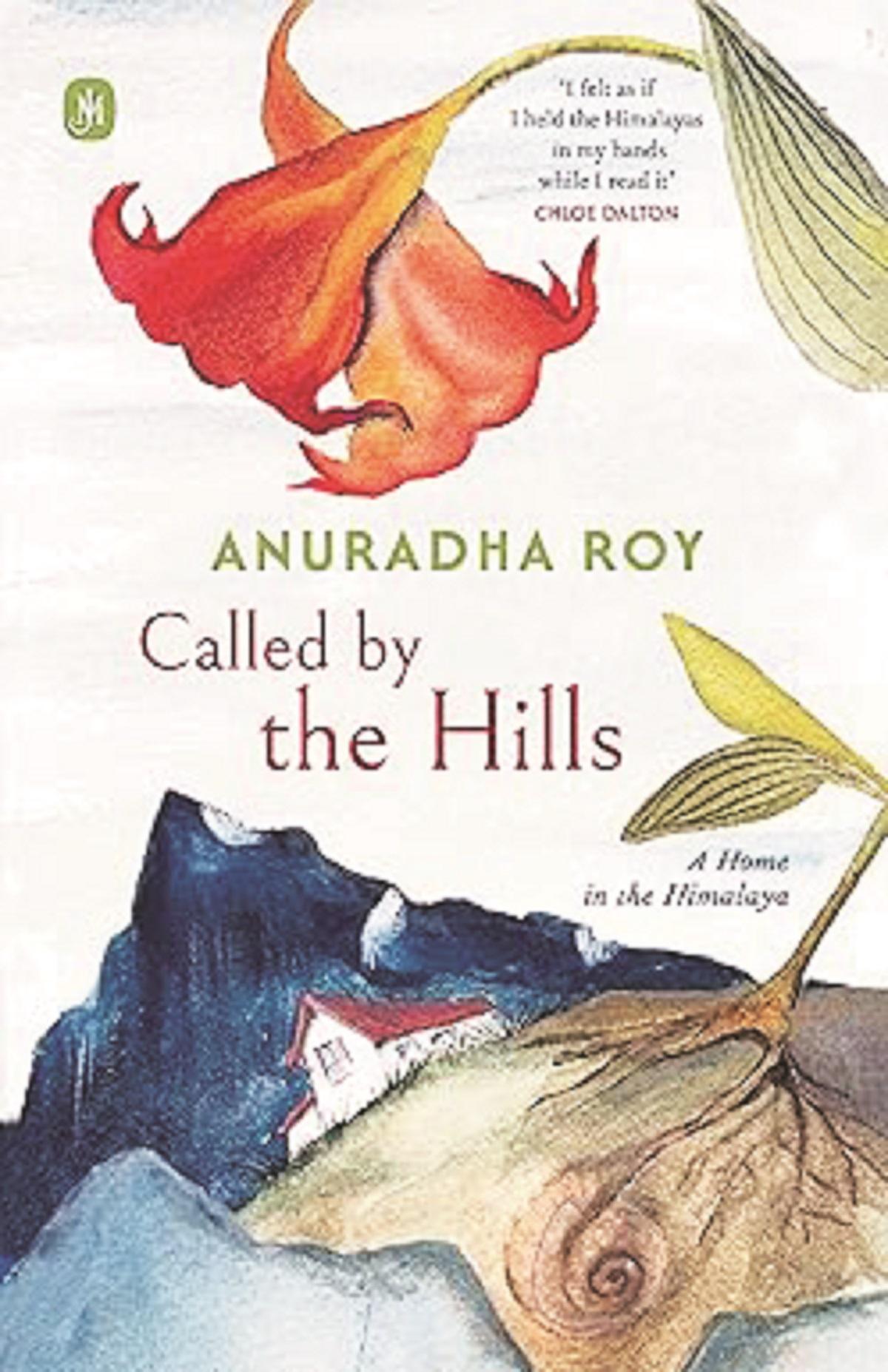
Anuradha Roy’s Called by the Hills: A Home in the Himalaya is a compact, luminous memoir that quietly charts the making of a life in the hills of Ranikhet. Written with the economy and exactness of a seasoned novelist, these linked essays present domestic labour, small rituals and ecological observation as equal parts of a settled life. The book is short but carefully produced, with the author’s watercolour sketches interleaved with text and a set of printed postcards tucked into the back cover.
Life in the Indian Himalaya: Gardens, memory and ecology
Called by the Hills narrates how Roy and her husband left Delhi twenty-five years ago to restore a crumbling cottage on the estate of their publisher friend. The early chapters recall the slow rhythms of repair work, the scarcity of carpenters, and the way time itself stretches on a mountain. Her descriptions of gardening and plant experiments are precise without ever sounding like a manual; they register instead as a way of relating to place. Roy admits she is not a botanist, yet she observes with an attentive ear and a curiosity that brings small species and seasons vividly to life.
Across the essays, the domestic and the wild continually meet: dogs and birds provide constant company; leopards and leeches make occasional, unsettling appearances. Roy writes candidly about the dilemmas of being a human presence in an ecosystem—how a lovingly arranged bird feeder might change animal behaviour, or how gardening can unintentionally alter local dynamics. Those sections read less like instruction and more like ethical reflection, as the author weighs the consequences of small comforts against the integrity of systems that predate her arrival.

The genesis of the book during the pandemic gives it another layer. Roy’s fiction publisher suggested she write about Himalayan flowers so confined readers might wander in imagined gardens. The result is broader than that premise: memories of a childhood spent in tent camps as the daughter of a geologist sit alongside episodes of community life in Ranikhet. “Accidental Lodging” recalls the reconstruction of the house before telecommunications reached the hill; “The Ancient” sketches an unforgettable local character named Ama, whose presence haunts the gardening work.
There is also a consistently present insistence on environmental change. Roy notes seasons growing muddled, peaks losing snow and human–wildlife conflicts increasing. These observations are never polemical; rather, they register with the slow dread of someone whose daily life depends on seasonal predictability. The book’s strongest moments are small and particular—a bird call, a neighbour’s kindness, the sight of a red-roofed cottage on a sloping hill—and these accumulate into a persuasive portrait of belonging.
For readers interested in mountain life, gardening, and thoughtful accounts of human responsibility to place, Called by the Hills offers both escape and provocation. It is a personal, humane book that reads as a companion to the region: intimate, observant and often wry. Published by Hachette India, the hardback runs to 166 pages and is accompanied by Roy’s paintings, which anchor the text in visual memory as much as prose does.
Book details: Called by the Hills: A Home in the Himalaya, Anuradha Roy, Hachette India, 166 pages, ₹999.
Key Takeaways:
- Called by the Hills captures everyday life and ecology, offering a vivid portrait of life in the Indian Himalaya.
- Roy blends personal memoir, local community scenes and keen observations of flora and fauna.
- The book raises concerns about changing seasons and human–wildlife interactions amid climate shifts.








