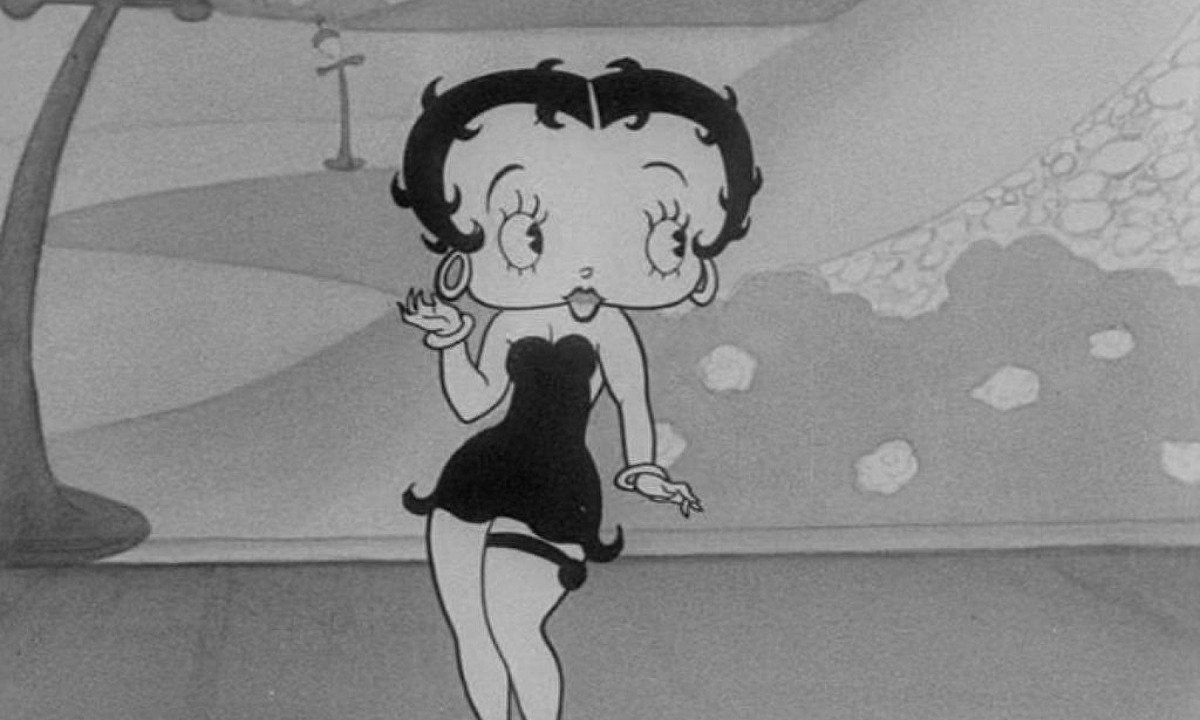
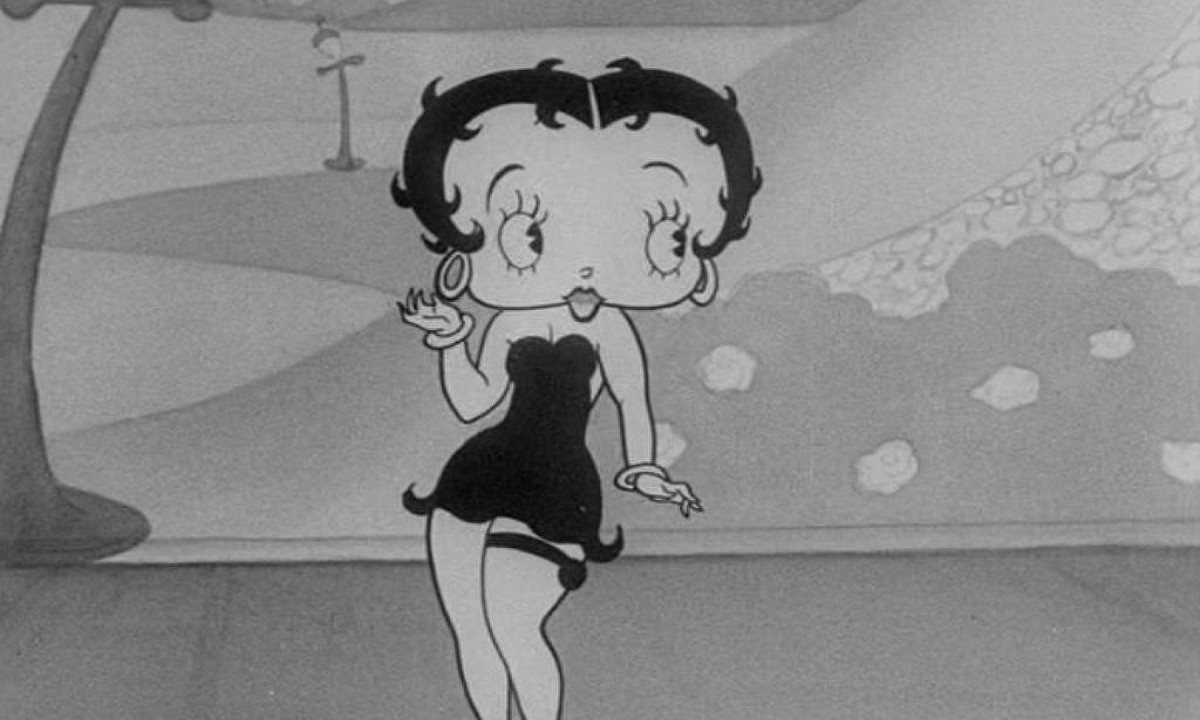
Several well-known cultural properties have entered the public domain this year, with implications for creators, publishers and rights holders in both the United States and Brazil. In the US, characters first published in 1930, including Betty Boop and an early version of Pluto then called Rover, have become freely usable without permission. In Brazil, the complete works of German novelist Thomas Mann have moved into the public domain, allowing any publisher to reproduce his texts without paying copyright fees.
The divergence reflects fundamental differences between the two countries’ copyright systems. In the United States, most works published in 1930 fall into the public domain after 95 years. By contrast, Brazil applies a term of protection that generally lasts 70 years after an author’s death. In Mann’s case, who died in 1955, that calculation places his oeuvre in the public domain for Brazilian publishers.

public domain Brazil and the changing rights environment
The legal treatment of characters and audiovisual works remains a contentious area. While Brazilian law states that audiovisual works receive 70 years of protection after their first release, courts and commentators have noted complications where a character can be treated as an independent creative work. That means a character’s free replication often follows the 70-year posthumous rule linked to the character’s creator rather than the date of a film or other audiovisual release.
In the US, several other literary and comic characters have reached public domain status alongside the 1930 releases. These include characters from the Blondie strip, the detective Nancy Drew and figures such as Miss Marple and Sam Spade. However, rights experts caution that elements added to those characters in later works may still be protected when those additions postdate 1930.
Betty Boop was created by animators Max Fleischer and Grim Natwick in 1930. Her licensing is currently managed by Paramount. Pluto, widely known as Mickey Mouse’s dog, first appeared under the name Rover in 1930; that early incarnation is the one that has moved into the public domain. Disney’s later developments of the character and surrounding elements may still enjoy protection where those features were introduced after 1930.
For Brazil, the change is immediate for publishers. Thomas Mann’s novels, including The Magic Mountain and Death in Venice, can now be printed, reissued and adapted by any Brazilian publishing house without obtaining permission or paying royalties. The same holds for works by several other foreign authors whose deaths fall within the applicable timeframe.
The practical effects extend beyond publishers. Filmmakers, game designers, graphic novelists and other creators may now adapt or reuse public domain characters and texts without a licence. That will likely encourage new editions, translations and creative reinterpretations while also triggering fresh debates over moral rights, attribution and the treatment of protected character elements introduced later in their histories.
Rights holders and legal advisers are expected to monitor how the newfound freedoms are exercised, particularly where commercial enterprises explore revived or altered versions of formerly protected characters. As the year progresses, courts and industry bodies may clarify contested points, but for now the shift marks a notable moment for cultural producers in both countries.
Key Takeaways:
- Classic 1930 characters such as Betty Boop and Pluto enter the US public domain under the 95-year rule.
- In Brazil, the complete works of Nobel laureate Thomas Mann enter the public domain under the 70-year posthumous rule.
- Character rights and audiovisual protections remain legally complex; later additions to characters may still be protected.
- The changes open opportunities for publishers, creators and adaptations without licences or royalty payments.