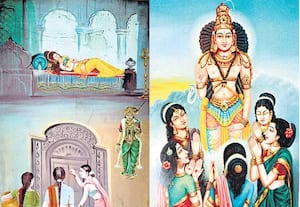
In Tamil Nadu and among Tamil communities worldwide, the Margazhi month (roughly mid-December to mid-January) is a period of intensified devotion. Two classical hymn cycles, Thiruppavai and Thiruvempavai, are sung daily in homes and temples. The verses carried in the original report are devotional excerpts that capture the intimate tone and moral urgency of these poems.
Margazhi worship and its verses
The passages presented juxtapose gentle imagery with urgent entreaty. One set of lines addresses a beloved figure reclining on a golden bed, asking the one who sleeps beside him to awaken. The speaker chides the devotee for remaining idle while love and duty demand action. Another passage frames the relationship between bride and groom as a pledge of exclusive devotion, invoking a fatherly proverb about giving a daughter in marriage and demanding that suitors be worthy and faithful.
These hymns are not purely romantic. They function as devotional metaphors. The sleeping beloved often represents the divine, and the summons to wake is also a call for spiritual vigilance. The plea for an exclusive, faithful companion becomes a request that followers remain devoted to the deity alone and keep other distractions at bay. Such double meanings are typical of classical Tamil bhakti poetry and help explain why these works endure as both literature and liturgy.

How Margazhi worship is observed today
Margazhi worship remains a communal activity. In many villages and cities, groups gather before dawn to sing the hymns collectively. Temples stage special early-morning pujas, and households open their doors to neighbours who come to listen and participate. The recitation of Thiruppavai and Thiruvempavai is often accompanied by simple musical arrangements and the lighting of lamps.
Beyond ritual, Margazhi worship serves an educative purpose. Parents and elders use the season to transmit language, music and ethical precepts to younger generations. Schools and cultural organisations hold competitions and workshops that focus on the hymns’ poetic form and moral teachings. This reinforces communal identity while adapting the tradition to contemporary social life.
Contemporary relevance and preservation
Interest in Margazhi worship has seen a modest revival through digital media. Recordings, translations and online lectures make the hymns accessible to a global audience. At the same time, local festivals and temple events preserve the original ritual context. Cultural custodians and scholars point out that the hymns’ combination of lyrical beauty and moral instruction helps sustain their appeal.
For many devotees, Margazhi worship remains an annual reminder of devotion expressed through song and service. The translated lines cited in the report reflect this dual character: they are at once intimate appeals and public declarations of faith. As the tradition adapts to changing times, these poems continue to bind communities through shared practice, language and belief.
The Margazhi season, with its daily singing of Thiruppavai and Thiruvempavai, therefore remains a vital cultural moment in India. It reinforces religious devotion, preserves classical Tamil literature, and offers communal continuity in an era of rapid change.
Key Takeaways:
- Traditional Tamil hymns from the Margazhi season, including Thiruppavai and Thiruvempavai, remain central to devotional practice in South India.
- Translated verses describe intimate, pleading devotion and requests for divine favour during the sacred month.
- Margazhi worship blends temple rituals, community singing and household observance, reinforcing cultural identity.
- Contemporary observance keeps the tradition alive, connecting younger generations to classical Tamil literature.