











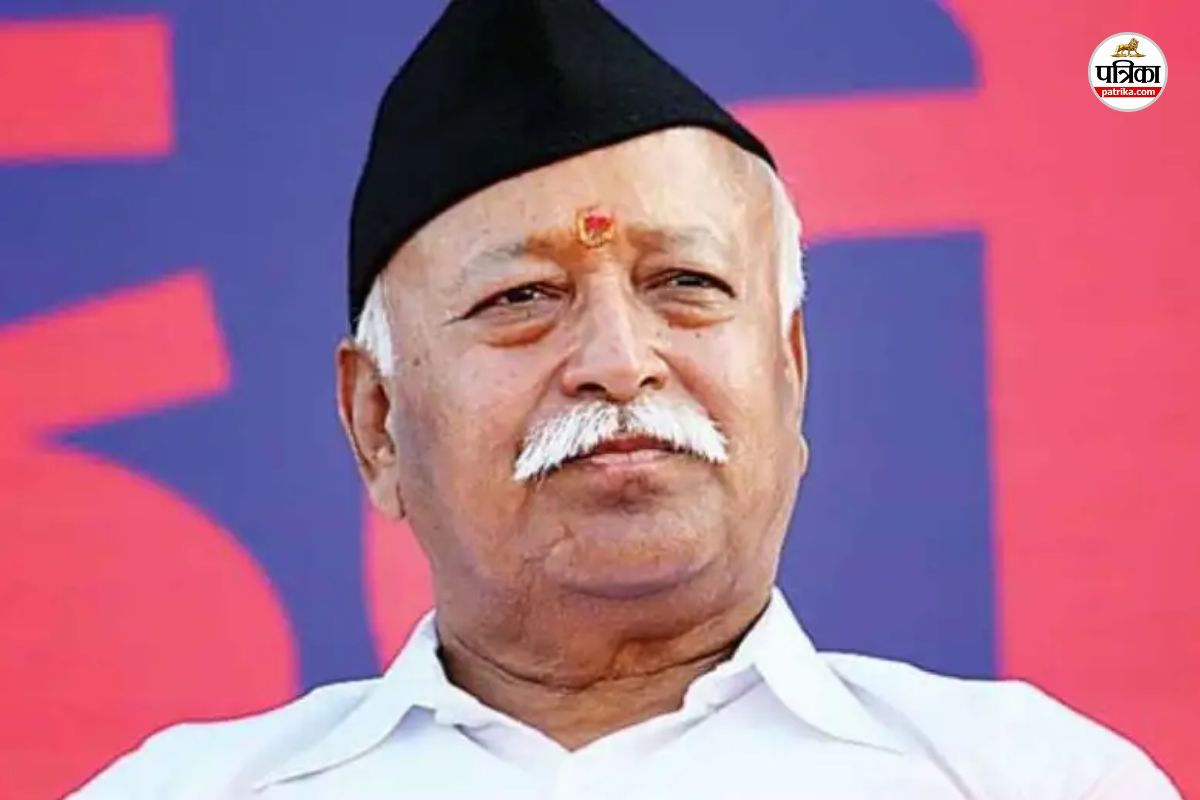
At a public event in Bhopal, Mohan Bhagwat, the chief of the Rashtriya Swayamsevak Sangh (RSS), said the world pays heed to power rather than to truth. He told the audience that those who hold power have their voices heard on the global stage, and that the rightness of a position is often overlooked when influence is lacking.
Mohan Bhagwat power and truth
Bhagwat warned that even when a weaker actor speaks the truth, their message may not gain traction. “The world does not listen to truth; it listens to power,” he said, arguing that strength is a decisive factor in whether a view is accepted or amplified internationally. The remark reflects a longstanding realist view of international relations, which prioritises capability and influence over moral persuasion.
The RSS chief made his comments amid ongoing debates in India about the country’s role on the world stage and the sources of national authority. While Bhagwat’s remarks were framed as an observation about global dynamics, they also carry implications for domestic discourse, suggesting that claims based on principle need to be accompanied by tangible influence to be effective.

Analysts say the comment underlines a tension common to many democracies: how to balance normative arguments with the hard realities of strategic power. Observers note that international recognition, trade negotiations and diplomatic outcomes are frequently shaped by economic and military capacity, as well as by persuasive diplomacy.
Bhagwat’s statement may also prompt discussions about how weaker actors, whether states or civil society groups, can amplify their voices. Strategies commonly cited include building coalitions, leveraging normative frameworks, investing in soft power and participating actively in multilateral institutions. Bhagwat’s remark serves as a reminder that influence derives from multiple sources and that moral clarity alone does not guarantee an audience.
Within India, the RSS occupies a significant place in political and social life, and comments from its leadership often attract attention from policymakers, media and civil society. Bhagwat’s remarks are likely to be picked up in debates over national strategy and the means by which India seeks to advance its interests abroad.
Supporters will read the message as a call to strengthen the country’s position so that just causes and correct policies command attention. Critics may view the statement as a blunt acceptance of power politics that could be used to justify realpolitik over principles. Both readings point to a broader discussion about how democracies reconcile ethical commitments with strategic imperatives.
Whatever the interpretation, Bhagwat’s words add to a recurring conversation about the mechanics of influence in global affairs. For weaker voices seeking visibility, the practical challenge remains: to translate moral authority into forms of leverage that compel listening and action from more powerful actors.
As India continues to deepen its international engagement, such public interventions by prominent figures will shape domestic expectations about how national interests should be pursued and defended. The question Bhagwat poses is straightforward — if truth alone is not enough, what combination of strength, strategy and allies will allow a nation to be heard?
Key Takeaways:
- Mohan Bhagwat told a Bhopal audience that global attention follows power rather than truth, warning that weaker voices often go unheard.
- The remarks highlight the role of influence and authority in international affairs and domestic politics.
- Bhagwat argued that moral correctness alone may not secure attention unless backed by strength.
- The comments add to wider debates in India about leadership, national strength and international standing.








