Researchers in Russia have reported notably high efficacy for a therapeutic vaccine developed to treat melanoma, according to statements from senior officials at the Gamaleya National Research Centre for Epidemiology and Microbiology and the Russian health ministry.
Russian melanoma vaccine shows high efficacy in trials
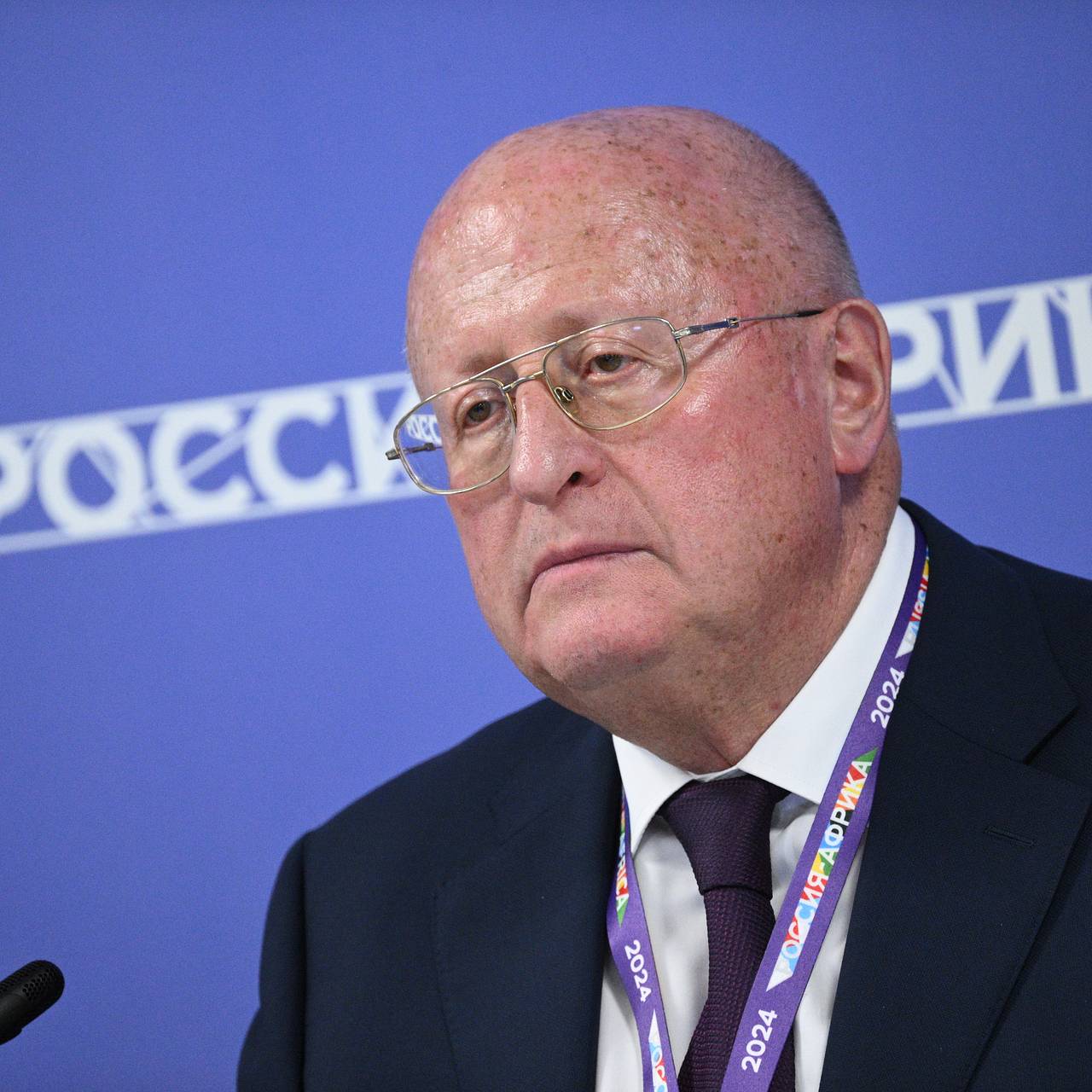
Alexander Gintsburg, the scientific director of the Gamaleya centre, told RIA Novosti that the vaccine produced the complete disappearance of primary tumour masses in the clinical trials and achieved roughly 90 percent effectiveness against metastases. He said that, on the metric of elimination of the main tumour body, results could be described as 100 percent, while outcomes for metastatic disease reached about 90 percent in the reported data.
The Ministry of Health issued regulatory permission for the therapeutic melanoma vaccine and a peptide vaccine for treatment of malignant neoplasms on 20 November 2025. Health Minister Mikhail Murashko has also indicated that patient selection and preparations are under way, and that the first patients should be able to receive the vaccine in early 2026.

Officials describe the vaccine as a therapy rather than a preventive inoculation. As a therapeutic product, it is intended for administration to patients with established melanoma to reduce tumour burden and control spreading disease. The Gamaleya team has been involved in vaccine research and clinical work for some years, and this approval represents a major step into oncological therapeutics for the institute.
Regulatory authorisation means the vaccine can be used in a controlled clinical or therapeutic setting, but experts caution that published, peer reviewed data will be crucial for the international scientific community to evaluate the full scope and robustness of the results. Russian authorities have so far released summary figures and official statements; detailed trial protocols, sample sizes and follow up durations have not yet been published in full in internationally indexed journals.
Matters of production and distribution are also central to the next phase. Gintsburg and ministry officials have indicated that patient recruitment and logistical arrangements are in progress ahead of the planned early 2026 roll out. The scale of initial supply, criteria for patient eligibility and whether the vaccine will be offered beyond selected centres will depend on manufacturing capacity and further regulatory oversight.
Success for a therapeutic melanoma vaccine would be significant for oncology care, offering an additional option where surgery, targeted therapy and immunotherapy are currently used. If later peer reviewed data corroborates the promising figures reported by Gamaleya, the vaccine could become an important tool in Russian cancer treatment and may attract international scientific interest, clinical collaborations and potential export discussions.
For now, Russian authorities and the Gamaleya centre are proceeding with preparations for clinical use while researchers aim to provide more detailed data on safety, efficacy and patient outcomes. Observers in the medical community will be watching for peer reviewed publications and the results of broader clinical deployment as the vaccine moves from regulatory approval to practical application.
Key Takeaways:
- The Gamaleya National Research Centre reports the Russian melanoma vaccine achieved complete disappearance of primary tumours in trials and about 90% reduction in metastases.
- Regulators granted permission on 20 November 2025 for use of the therapeutic melanoma vaccine and a peptide vaccine for malignant tumours.
- Officials say the first patients are expected to begin receiving the vaccine at the start of 2026 as preparations continue.