Residents of Russia will have the opportunity to witness two eclipse events in August 2026, an expert at the Institute of Applied Astronomy of the Russian Academy of Sciences has told RIA Novosti. The two phenomena — a solar eclipse on 12 August and a partial lunar eclipse on 28 August — will be visible from parts of the country, primarily in the European sector.
Russia eclipses 2026: dates and visibility
The first event arrives on 12 August 2026, when a solar eclipse will trace a route from Cape Chelyuskin across the North Pole before continuing over Greenland, Iceland and Spain and ending in the Mediterranean Sea. Nikolai Zheleznov, senior research fellow at the Institute of Applied Astronomy, said that in Russia observers should expect to see partial phases of the solar eclipse in the country’s European regions. Totality will occur well north of most populated areas, so viewers on the Russian mainland will not see a total eclipse.
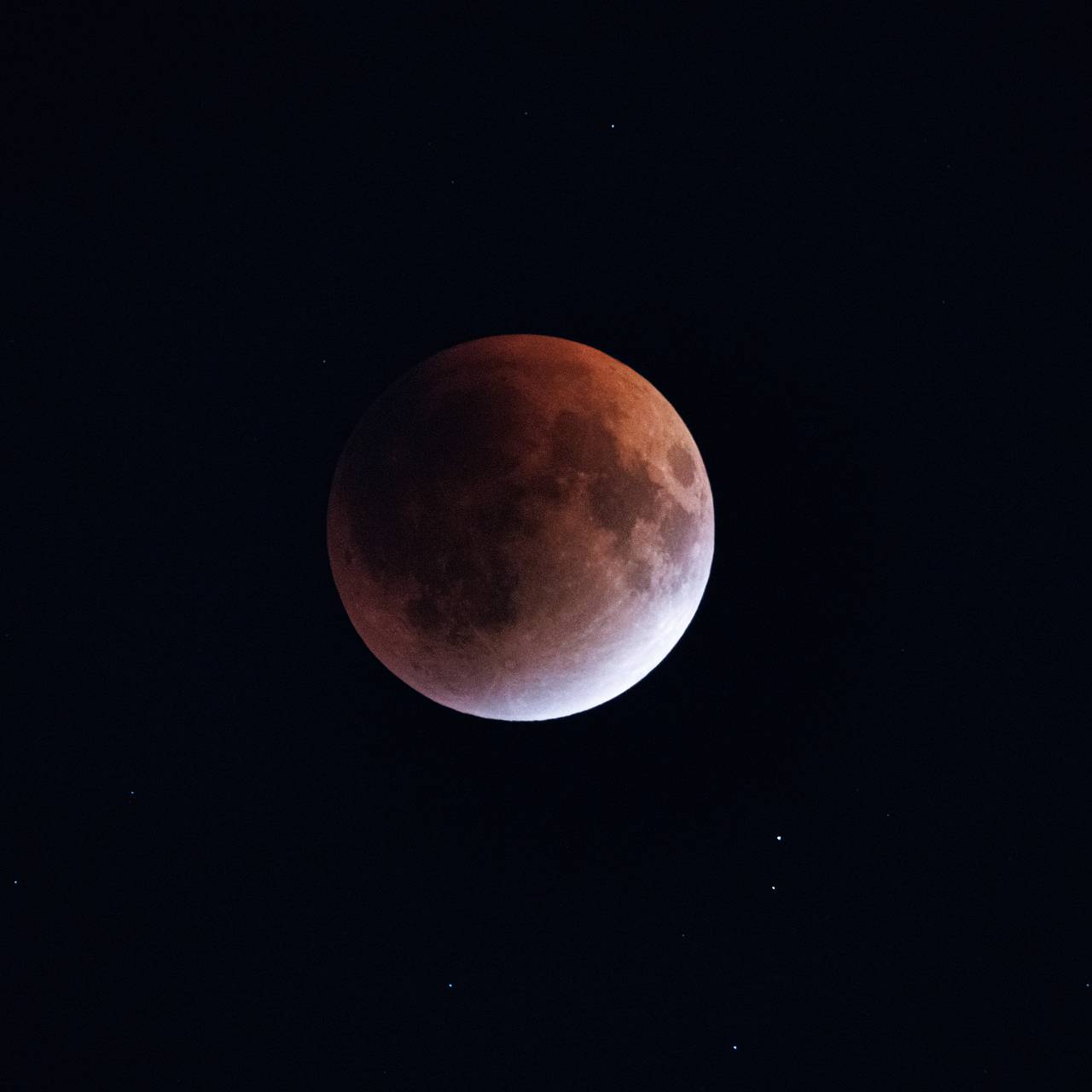
The second event is a partial lunar eclipse on 28 August 2026. Zheleznov noted that this eclipse will be visible at dawn in the European part of Russia. Because the Moon will be low on the horizon for many observers, local weather and horizon conditions will strongly affect what can be seen.

Both events are of interest to amateur and professional observers alike. The solar eclipse’s path of totality follows a high-latitude route that will be most accessible to observers in the Arctic and certain parts of Europe. For those in Russia who cannot see totality, the partial phases still offer striking changes in the Sun’s apparent shape and light levels.
Observers planning to view the solar eclipse should take safety precautions. Looking directly at the Sun without appropriate certified filters can cause permanent eye damage. Proper solar viewing glasses or solar filters fitted to telescopes and binoculars are essential. For the lunar eclipse on 28 August, no special eye protection is needed, but early-morning timing and low altitude of the Moon may complicate photography and observation.
Local conditions will determine the quality of the view. Cloud cover, atmospheric turbulence and the Moon’s altitude at the time of the lunar eclipse will all influence visibility. Those who wish to observe should consult reliable local astronomical societies or observatories for exact timing and guidance specific to their location.
Scientific and enthusiast communities often use these events for outreach and education. Public viewings and organised observing sessions can provide safe, guided experiences and better photographic opportunities. Institutions such as the Institute of Applied Astronomy typically publish detailed maps and timing charts ahead of the events to help observers plan.
In related news, Russian outlets have also reported that the first geomagnetic storm of 2026 occurred at the start of the year. While geomagnetic activity can affect auroral displays and radio propagation, it does not prevent viewing of eclipses. Those interested in both phenomena may find enhanced auroral activity at high latitudes but should plan eclipse observations primarily around local weather and precise timing.
For the most accurate information, prospective observers should monitor updates from national and regional astronomical bodies, check local weather forecasts close to the event dates and ensure they have appropriate equipment for safe solar observation. With planning, many in Russia’s European regions will be able to witness notable celestial events in August 2026.
Key Takeaways:
- Two astronomical events will be visible from parts of Russia in August 2026: a solar eclipse on 12 August and a partial lunar eclipse on 28 August.
- The solar eclipse’s path of totality crosses the Arctic and parts of Europe; Russia will see partial phases in its European territory — key for observers tracking Russia eclipses 2026.
- Both events were described by Nikolai Zheleznov of the Institute of Applied Astronomy and reported by RIA Novosti.
- Observers should check local times and use proper solar filters for safe viewing; early morning conditions will affect visibility for the lunar eclipse.