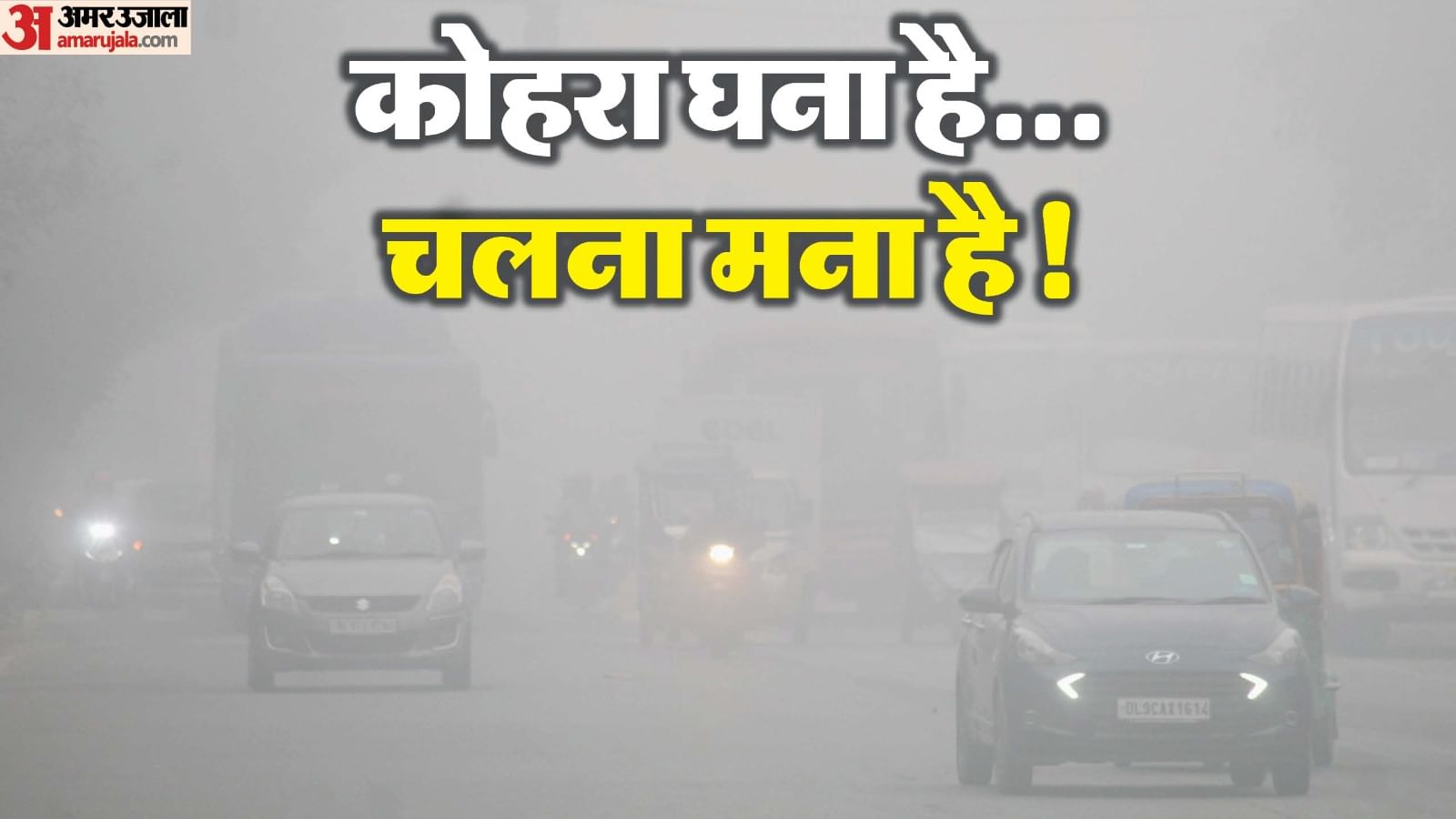
The India Meteorological Department (IMD) has warned of widespread cold and dense fog across large parts of north India, while a western disturbance continues to bring snowfall to the higher reaches of the Himalayas. The weather system has reduced visibility on major approach routes and led to disruptions in both air and rail travel.
North India cold and fog outlook
Temperatures have dropped across the plains and foothills, with many areas reporting cold day conditions and early-morning ground frost. The IMD said the western disturbance is active over the northwestern region and is likely to continue influencing weather over the coming 48 to 72 hours. Snowfall has been recorded at several hill stations, while low-lying areas are experiencing dense fog, which has hampered surface transport.
Airports in the region have reported delays and some flight cancellations as pilots contend with restricted visibility. Major trains have also faced timetable alterations and delays at certain junctions where fog has affected signalling and station visibility. Authorities in affected states have advised passengers to check with airlines and rail operators before travelling and to expect possible re-routing or rescheduling.

Beyond transport disruption, the cold spell is affecting daily life. Commuters in cities such as Delhi, Lucknow and Chandigarh have faced prolonged travel times during the early morning and late evening. Local administrations have stepped up warming measures in vulnerable neighbourhoods and opened shelters for those in need.
Healthcare providers have urged residents, particularly the elderly and young children, to take precautions against cold-related illnesses. Simple measures such as dressing in layers, avoiding prolonged exposure to the cold, and ensuring adequate nutrition and hydration remain the immediate recommendations from public health authorities.
Forecast models indicate that the western disturbance may move eastwards gradually, bringing isolated snowfall to parts of Himachal Pradesh, Uttarakhand and Jammu and Kashmir. While the heaviest snow is confined to higher terrain, the associated cloud cover and moisture are expected to maintain dense fog across many plains during the early hours.
Local road authorities are deploying patrols to keep key highways clear and to assist motorists caught in low-visibility conditions. Salt and sand operations are focused on critical stretches prone to ice formation, and mountain rescue teams are on alert near popular tourist spots.
Travel advisories issued by the IMD recommend motorists drive only if necessary in dense fog, use fog lights and slow down when visibility is poor. Airport operators have advised passengers to arrive early and to frequently check airline updates. Railways have activated contingency plans to manage fog-related delays, including additional staff at affected stations and information counters to keep passengers informed.
Residents and visitors are encouraged to monitor official IMD bulletins and local authority announcements for the latest updates. While the current disturbance is expected to weaken after a few days, intermittent cold conditions and early-morning fog are likely to persist until a significant warming trend sets in.
Key Takeaways:
- North India cold and fog persist as a western disturbance brings snowfall to the higher reaches.
- Flights and trains have been delayed or cancelled due to low visibility and icy conditions, affecting major northern cities and hill stations.
- The India Meteorological Department has issued advisories for dense fog, cold day conditions and further isolated snowfall in the Himalayas.