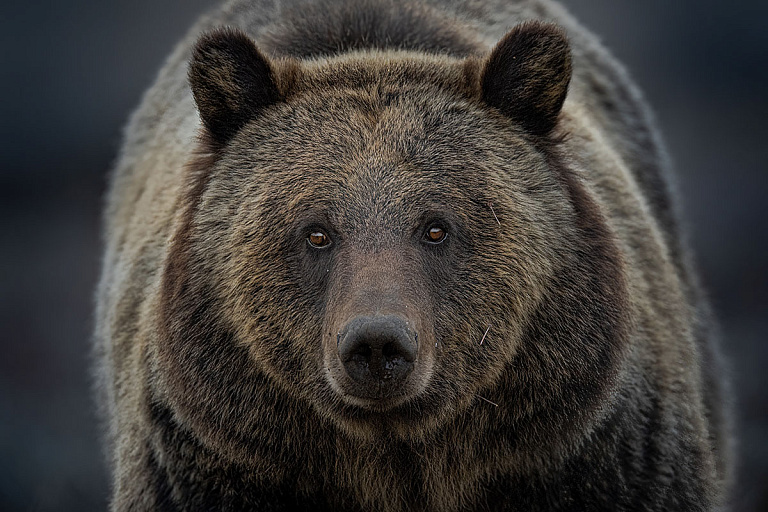
Belarus has authorised limited hunting of the brown bear in a small number of districts after officials recorded more frequent encounters between people and bears. The state inspectorate responsible for animal and plant protection said the move is tightly regulated and aimed at reducing risks while preserving the species.
“The decision was made chiefly in response to public concern,” said Dmitry Motoro, head of the Department for Analysis and Control at the State Inspectorate for the Protection and Use of Animal and Plant World under the President of Belarus. He told ONT television that day-to-day reports from citizens showed bears increasingly visiting villages and entering forests where people gather mushrooms and berries.
Belarus bear hunting: where and why it is allowed
The permission applies in ten administrative districts of Vitebsk region and in the Logoysky and Borisov districts of Minsk region. Authorities emphasise the change is not a blanket opening of the season but a targeted measure where population assessments justify it.

According to Motoro, the scheme relies on an established, population-based mechanism similar to the one used for the European bison (zubr). Officials will allow hunting only where surveys show the population meets specified criteria. One of those thresholds is the confirmed presence of at least one female with offspring in the local population. In addition, culls are capped: no more than 10% of the accepted population may be taken, he said.
“Everything depends on the numbers,” Motoro said, stressing that regional administrations must demonstrate the required population parameters before permits are issued. He added that the inspectorate will monitor both numbers and hunting activity to ensure compliance.
Wildlife specialists and local authorities will therefore play a central role in approving any hunts. The move seeks to balance two priorities: reducing dangerous encounters and ensuring the long‑term conservation of the bear, which remains listed among rare wild species in the country.
Residents in affected areas have reported seeing bears closer to settlements in recent seasons, sometimes while foraging for food. Officials say those reports, together with population surveys, prompted a reassessment of management options and the decision to use a controlled, limited hunting regime in selected districts.
Environmental groups and independent experts will likely scrutinise the plan, particularly the population estimates and the methods used to determine sustainable harvest levels. The inspectorate has indicated its intention to publish monitoring results and to adjust measures if the data call for it.
For now, hunting is confined to clearly defined districts and subject to strict limits intended to prevent undue impact on the species. Authorities say the priority remains public safety and the long‑term viability of bear populations.
The inspectorate’s approach reflects a cautious, case‑by‑case model of wildlife management: controls on where and how many animals may be taken, active monitoring of populations and responsiveness to changing conditions. Whether the policy reduces harmful encounters while safeguarding the species will depend on rigorous implementation and transparent reporting in the coming seasons.

Key Takeaways:
- Belarus bear hunting permitted in selected districts as officials respond to an increase in human–bear encounters.
- The decision uses a tested, population-based mechanism already applied to the European bison.
- Hunting will be restricted by strict conditions, including population thresholds and a cap of 10% of the established population.
- Authorities stress the measure is targeted, controlled and subject to ongoing monitoring.