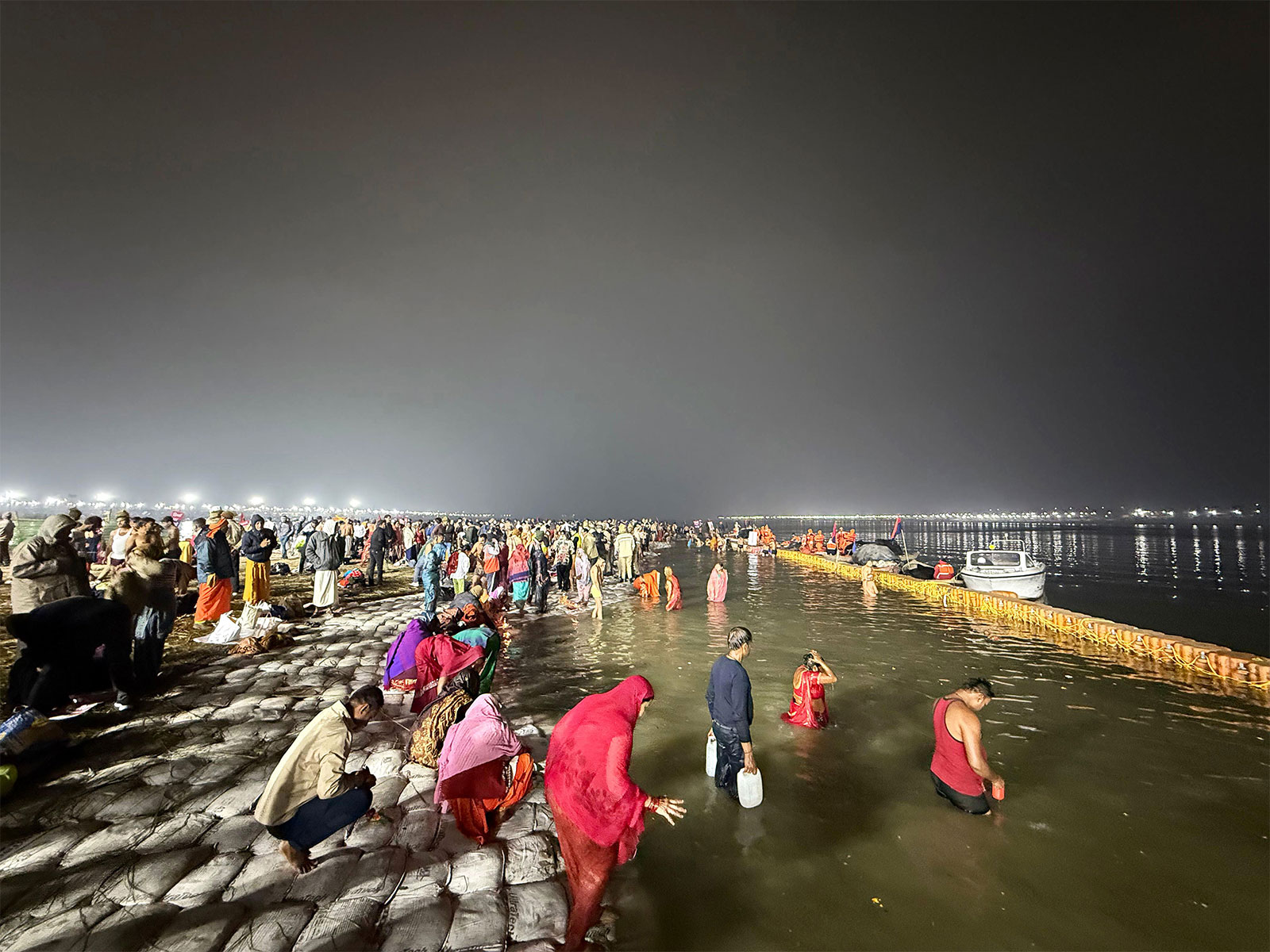
Uttar Pradesh Chief Minister Yogi Adityanath has extended warm greetings as the Prayagraj Magh Mela commenced at the Triveni Sangam. In a message posted on X, the chief minister conveyed his congratulations to devotees and residents, invoking blessings from the Ganga, Yamuna and the legendary Saraswati as pilgrims gathered for the sacred rites.
Prayagraj Magh Mela: ritual, dates and significance
The Prayagraj Magh Mela, one of India’s largest religious gatherings, is a 45-day pilgrimage that begins on Paush Purnima and continues through the month of Magh, concluding at Mahashivaratri. Devotees congregate at the confluence of the Ganga, Yamuna and the invisible Saraswati to perform ritual snans, or sacred baths, believed to cleanse sins and fulfil wishes.
This year’s mela opened with the Paush Purnima snan. Over the course of the festival there are several principal bathing days, including Makar Sankranti, Shattila Ekadashi, Mauni Amavasya, Basant Panchami, Achala Saptami, Jaya Ekadashi and Magh Purnima. These occasions attract large numbers of faithful who follow longstanding observances such as vows of silence and fasting.

In his message, the chief minister welcomed saints, religious leaders, akhadas and kalpwasis who have arrived in Prayag to take part in the rituals. He expressed hope that the mela would reinforce spiritual values, communal harmony and mutual respect among participants. The administration has typically coordinated logistics and safety measures to accommodate the influx of pilgrims.
The Magh Mela at Prayagraj assumes particular importance because it alternates with the Kumbh cycle. Every fourth year the annual mela expands into the Kumbh Mela and every twelfth year into the Maha Kumbh Mela, events that draw millions of visitors from across India and abroad for mass bathing ceremonies and religious discourse.
Local officials and event organisers usually focus on crowd management, sanitation and health services during the festival. Given the scale of attendance, authorities often deploy additional personnel and temporary infrastructure to ensure that devotees can perform rituals safely and without major disruption.
For many pilgrims, the Magh Mela is both a deeply personal act of devotion and a communal occasion. The congregation of ascetics, sadhus and lay worshippers fosters exchange of religious teaching and practice. The presence of prominent akhadas and religious leaders also attracts media attention and pilgrims seeking spiritual counsel.
Tourism and local economies typically see an uptick during the mela as visitors require accommodation, food and related services. While primarily a religious observance, the event also supports livelihoods for traders, transport operators and service workers in and around Prayagraj.
As the festival proceeds across its scheduled bathing dates, state authorities will monitor conditions closely and issue guidance to pilgrims. The chief minister’s message underscored the cultural and spiritual significance of the occasion and offered prayers that the holy rivers would fulfil the wishes of those who have journeyed to take part.
With the Magh Mela under way, Prayagraj expects sustained crowds over the coming weeks as devotees observe the successive ritual days and prepare for the festival’s culmination later in Magh.
Key Takeaways:
- Prayagraj Magh Mela begins with Chief Minister Yogi Adityanath offering congratulations and prayers to devotees.
- The 45-day festival at Triveni Sangam marks ritual snans from Paush Purnima through Magh Purnima and culminates at Mahashivaratri.
- Authorities welcome saints, akhadas and kalpwasis, emphasising faith, harmony and spiritual values.
- The annual Magh Mela becomes the Kumbh Mela every fourth year and the Maha Kumbh every twelfth year, drawing millions.