











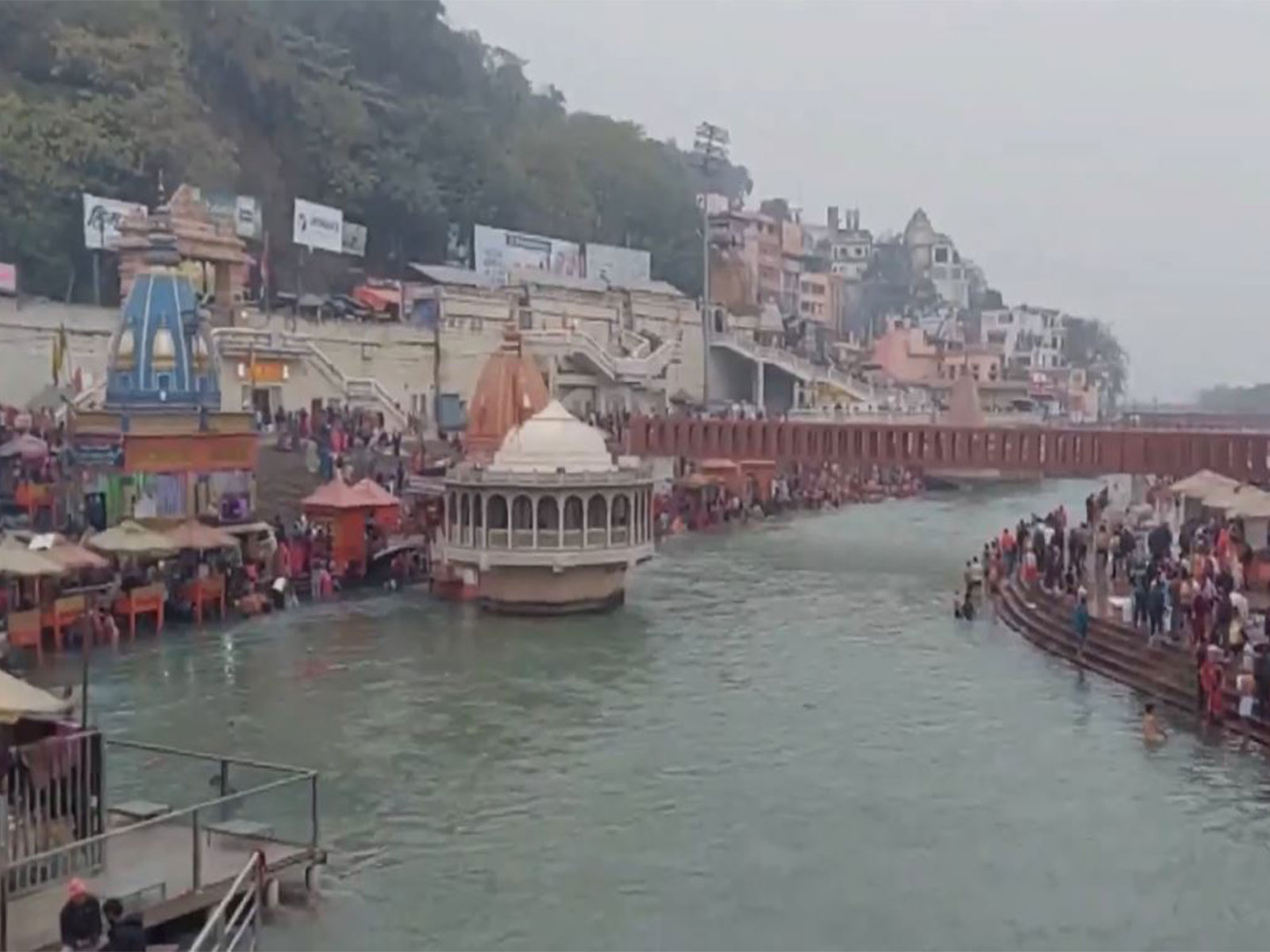
Thousands of devotees gathered on the banks of the Ganga in Haridwar on Saturday to take the ritual snān (holy dip) on Paush Purnima, marking the opening day of the Magh Mela 2026. Pilgrims arrived from across India in the early hours to bathe at the ghats, where chants and prayers set a solemn tone for the festival.
Magh Mela Haridwar First Ritual Bath on Paush Purnima
The first day saw sustained crowds at key ghats, with participants observing established customs and priests overseeing rites. The Paush Purnima snān holds special significance in Hindu practice, and senior devotees said the morning bath was both an act of faith and a communal expression of devotion.

Local authorities maintained order along the riverfront, facilitating movement and assisting pilgrims. Officials reported smooth arrivals and departures for most of the day, though they advised visitors to follow safety guidance at the ghats to avoid overcrowding in narrow passageways.
Magh Mela Haridwar is part of a wider set of annual observances that culminate in large congregational bathing events across northern India. While Haridwar hosts its own mela, the article also referenced the comparatively larger Magh Mela at Prayagraj, which takes place at the Triveni Sangam and can transform into the Kumbh or Maha Kumbh at prescribed intervals.
The festival calendar includes several other essential bathing dates throughout the month of Magh. Pilgrims typically return to the river for ritual dips on Makar Sankranti, Shattila Ekadashi, Mauni Amavasya, Basant Panchami, Achala Saptami, Jaya Ekadashi and Magh Purnima. Each date has distinct religious meaning and draws specific groups, including ascetics, families and long-term residents of the mela grounds.
Beyond its spiritual role, the Magh Mela supports local economies. Vendors, transport operators and services around the ghats see increased demand as pilgrims seek food, accommodation and ritual items. Civic authorities coordinate sanitation and public health measures during the festival to ensure conditions remain safe for large gatherings.
Religious leaders stressed the dual importance of devotion and discipline. They urged pilgrims to respect ghats and local communities, and to adhere to guidance from event organisers. Police and municipal teams worked together to provide first-aid stations and crowd-management support where required.
As the Magh Mela continues over the coming weeks, organisers expect further peaks on the designated snān days. For many pilgrims, the event offers a rare opportunity to participate in age-old rituals, renew personal vows and join a nationwide tradition that links multiple sacred sites and months in the Hindu calendar.
Officials and community organisers will monitor attendance and services as the mela proceeds, balancing the needs of pilgrims with public safety obligations. The Haridwar event remains a prominent example of India’s living religious traditions and their continuing appeal to millions across the country.
Key Takeaways:
- Magh Mela Haridwar saw thousands of pilgrims gather for the first ritual snān on Paush Purnima.
- The event marks the start of the Magh Mela 2026 and will continue with several key bathing dates ahead.
- Devotional activities and traditional rites highlighted the cultural significance of the Ganga in Indian religious life.
- The festival is linked to the larger Magh and Kumbh cycles at Prayagraj, attracting national attention and pilgrims from across India.








