











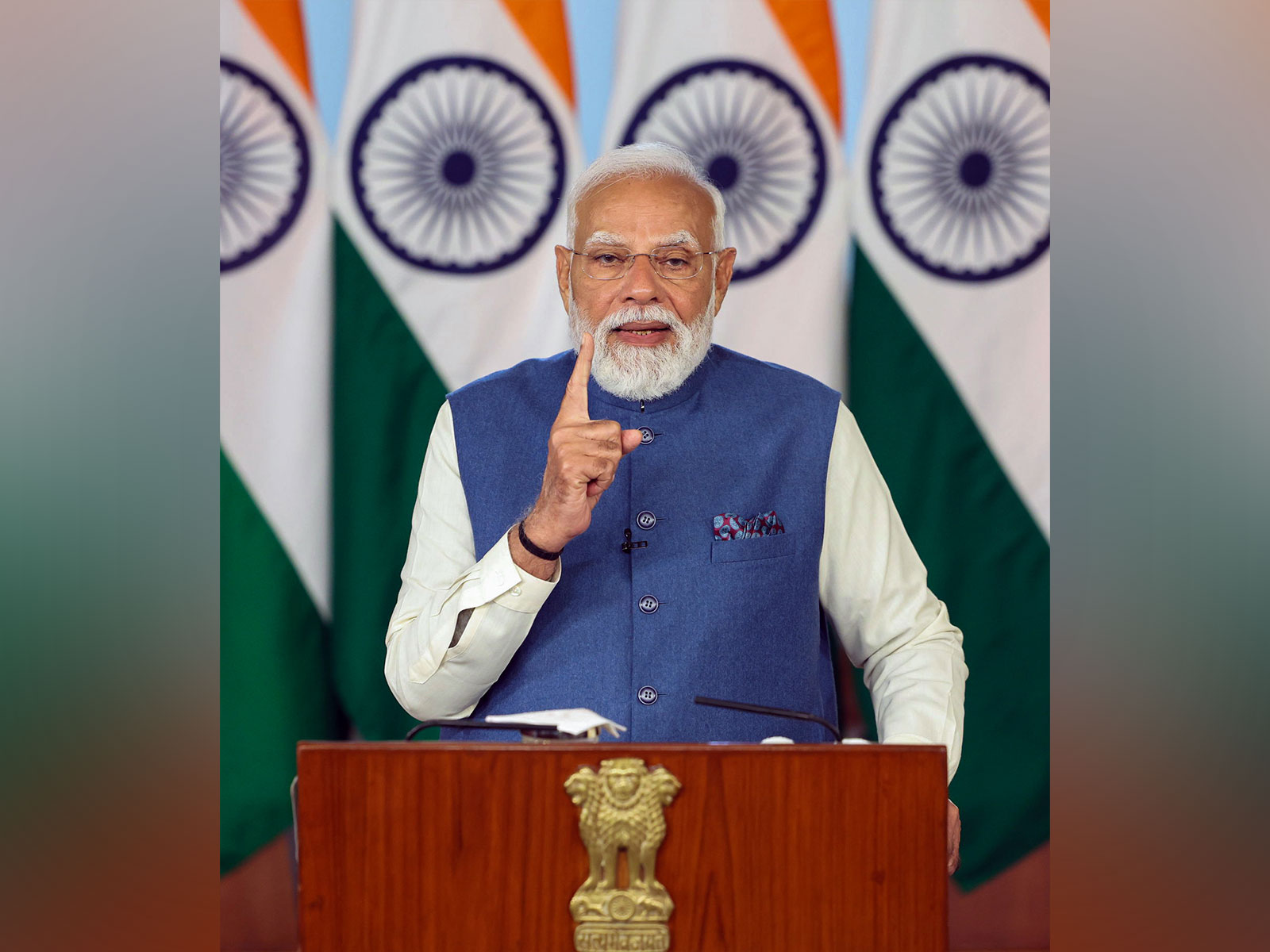
Prime Minister Narendra Modi paid public tribute on Saturday to Savitribai Phule and Rani Velu Nachiyar on their birth anniversaries, praising their contributions to social reform, education and resistance to colonial rule. In two posts on X, the Prime Minister highlighted the values these figures embodied and said their lives offered lessons for present and future generations.
Savitribai Phule remembered for education and equality
Modi described Savitribai Phule as a pioneer who devoted her life to transforming society through service and education. He noted her commitment to equality, justice and compassion and quoted her belief that education was the most powerful instrument of social change. Phule, who is widely regarded as India’s first female teacher, and her husband Jyotirao Phule opened one of the country’s earliest girls’ schools at Bhidewada in Pune in 1848. Her work extended beyond the classroom to efforts aimed at abolishing caste- and gender-based discrimination, and she remains a central figure in the social reform movement in Maharashtra.
As an educationist and philanthropist, Savitribai Phule also produced a body of Marathi writings that supported her advocacy for marginalised communities. Her focus on caring for vulnerable people and on practical measures to broaden access to learning has continued resonance in India’s modern education initiatives and women’s empowerment programmes.

Rani Velu Nachiyar celebrated for resistance and leadership
Paying tribute to Rani Velu Nachiyar, Modi praised her courage and strategic skill. He said her opposition to colonial oppression asserted that the right to rule India belonged to Indians. Rani Velu Nachiyar, the queen of Sivaganga, is remembered as the first woman from a royal family to mount an armed challenge to the British Empire. After the killing of her husband and his consort by a combination of British forces and allies of the Nawab of Arcot, she fled with her daughter and found refuge under the protection of Hyder Ali.
During an exile of around eight years, she organised an army and secured alliances, including with Gopala Nayaker and Hyder Ali. With their assistance she attacked British forces and secured a victory in 1780. Her example of military leadership, alliance-building and steadfastness remains an important chapter in the story of regional resistance to colonial expansion.
The Prime Minister’s tributes drew attention to the historical and cultural significance of both figures. By commemorating Savitribai Phule and Rani Velu Nachiyar on their birth anniversaries, the government emphasised themes that include women’s leadership, effective governance and cultural pride. Observers say such acknowledgements help connect contemporary policy priorities with historical movements for social justice and autonomy.
Public commemorations of reformers and freedom fighters often form part of wider efforts to promote education and to highlight the role of women in India’s past and present. Both Savitribai Phule and Rani Velu Nachiyar are frequently cited in educational curricula, public memorials and cultural programmes, reinforcing the message that equal opportunity and resistance to injustice are integral to the nation’s development.
Modi’s posts on X offered concise tributes that combined historical overview with an appeal to shared values. By drawing attention to these figures, the Prime Minister reiterated the importance of learning from history as India continues to pursue social reforms and efforts to expand access to education and opportunity.
Key Takeaways:
- Prime Minister Narendra Modi paid tribute to Savitribai Phule and Rani Velu Nachiyar on their birth anniversaries, highlighting education, equality and resistance to colonial rule.
- Savitribai Phule is recognised as India’s first female teacher and a pioneer of women’s education and social reform.
- Rani Velu Nachiyar led armed resistance against British forces, forging alliances and reclaiming territory in the late 18th century.
- The tributes underscore contemporary themes of women’s empowerment, good governance and cultural pride in India.








