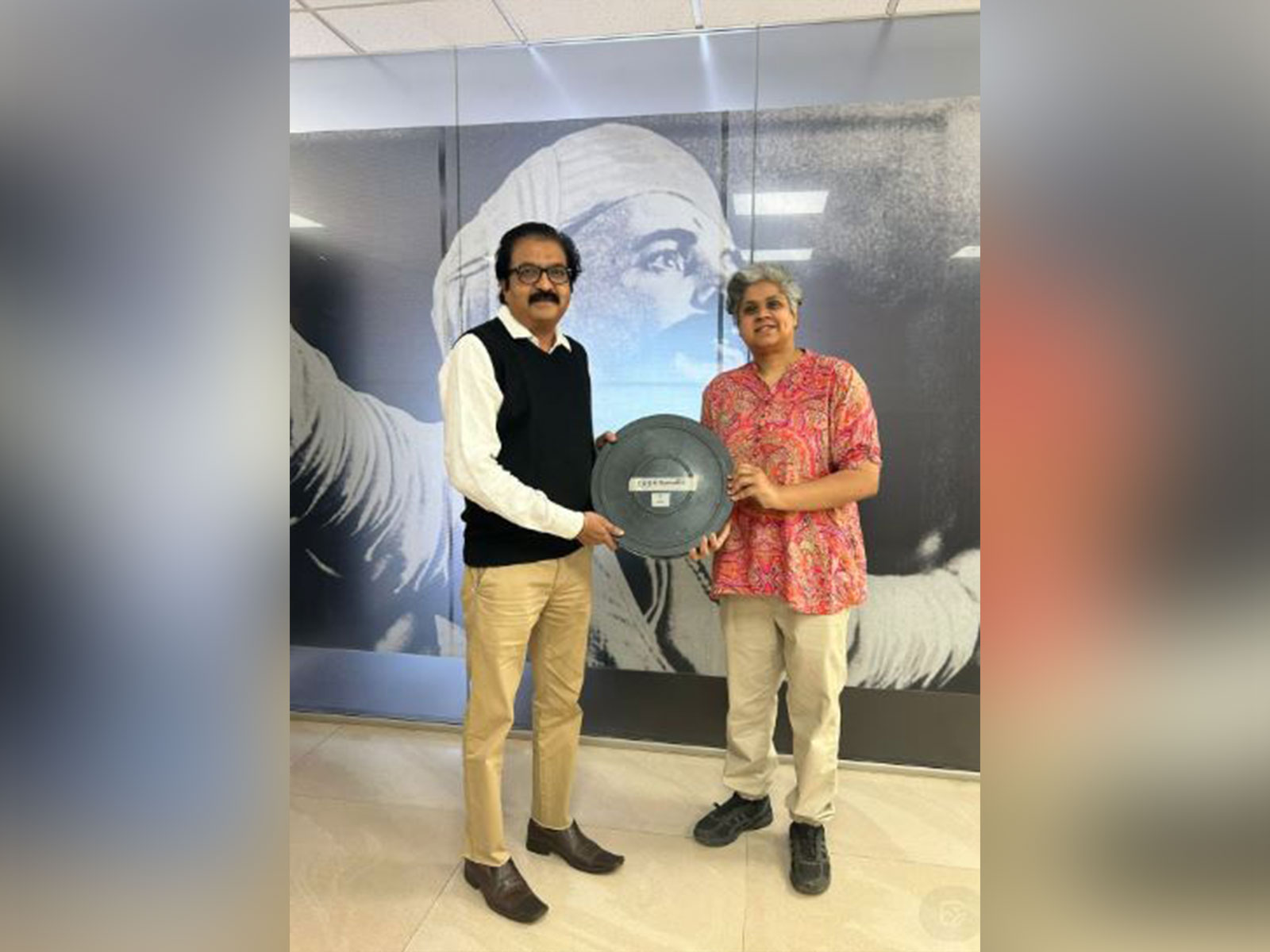
The 1954 Tamil film Ratha Kanneer has been added to the collection of the National Film Archive of India, marking a significant step for the preservation of South Asian cinema. The donation was announced on Friday by the Ministry of Information and Broadcasting after Aparna Subramanian, a film research officer at the Film and Television Institute of India, handed over eight jumbo reels in 35mm format from her personal collection to Prakash Magdum, Managing Director of the National Film Development Corporation, in Pune.
Ratha Kanneer preservation and archival importance
Officials said no film archive in India or overseas holds a print or original negative of Ratha Kanneer. Until now, only low-resolution copies have circulated on online platforms. The newly acquired reels will enable the National Film Archive of India to secure the film for long-term preservation, conduct archival work and explore future restoration to improve public accessibility.
Ratha Kanneer, directed by the Krishnan-Panju duo and written by Thiruvarur Thangarasu, is widely regarded as pathbreaking for its time. The film tackled thorny social issues such as caste discrimination, blind faith and ritual practices. It also addressed the stigma around leprosy by tracing the protagonist’s fall from a wealthy, westernised philanderer to a leprosy patient abandoned by society.

The film stars Madras Rajagopalan Radhakrishnan, known as MR Radha, whose performance is often cited as one of his finest. According to the press release, his portrayal in the first half as a sarcastic, westernised rich man blends humour with menace. His later transformation into a leper was achieved through meticulous physical acting. Observers note his bent posture, unsynchronised body movements and distinctive dialogue delivery as elements that have remained influential in Tamil theatre and film.
NFDC Managing Director Prakash Magdum highlighted the cultural and historical significance of the film and urged collectors and enthusiasts to donate films and related memorabilia. He said the acquisition fills a critical gap in India’s archival holdings and underscores the need for public and private support to preserve cinematic heritage.
Aparna Subramanian said she was pleased to place the reels at the NFAI, explaining that the material had been acquired from a long-standing circle of South Indian film collectors and distributors. Her donation follows a growing recognition within the archival community of the urgent need to locate and secure original film material before it deteriorates beyond recovery.
Ratha Kanneer also made social statements that were ahead of its era, promoting progressive views such as widow remarriage. The film’s closing sequence, in which the dying hero asks his wife whether she would consider remarrying his friend, was notable for challenging social norms while remaining grounded in melodramatic storytelling.
The presence of 35mm reels now at NFAI improves prospects for a high-quality restoration that could return the film to cinema screens and academic study. For the public, the acquisition represents a chance to revisit a film that helped shape mid-20th century Tamil cinema and to appreciate MR Radha’s indelible screen presence in a properly preserved format.
Authorities reiterated an appeal to film lovers and collectors to come forward with prints, negatives and memorabilia. Such contributions will support archival processes and help ensure that culturally significant works remain available for future generations.
Key Takeaways:
- Classic 1954 Tamil film Ratha Kanneer donated to the National Film Archive of India for preservation.
- Donor Aparna Subramanian handed over eight 35mm jumbo reels to NFDC in Pune, addressing the lack of original prints.
- Film highlighted social issues such as caste discrimination, blind faith and leprosy stigma and showcased MR Radha’s acclaimed performance.
- The acquisition advances Ratha Kanneer preservation and increases prospects for restoration and public access.