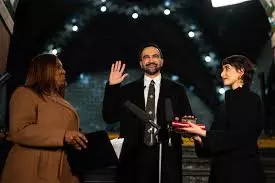
Zohran Mamdani took his oath of office in an unconventional setting, a decommissioned New York subway station, and opened his mayoral term with a promise to shift City Hall’s priorities towards the underserved. Campaigning on affordability and care, the new mayor made clear that his agenda will aim to ease everyday costs for lower earners in a city of 8.5 million.
Zohran Mamdani outlines priorities
Mr Mamdani used the oath ceremony to reiterate pledges that won him broad support, particularly from younger voters. He vowed to pursue lower rents, introduce free creche care and make public transport more affordable. These measures, he said, are central to restoring opportunity for many New Yorkers who have struggled with rising housing and living costs.
Delivering on those promises will be expensive. City officials estimate the package could cost roughly $7 billion a year. That sum comes at a time when federal funding is uncertain. Mr Mamdani acknowledged that cooperation with federal authorities is essential if he is to secure resources for major projects and maintain core services.

Early encounters with the White House matter. The article notes a first meeting after the mayoral election that was unexpectedly expansive. Yet the new mayor will have to navigate a political environment where national priorities may shift quickly. Securing long-term commitments from Washington will be as important as managing municipal budgets.
The mayor’s approach is shaped by his background as a left-leaning Social Democrat who rose to prominence among under-30 voters. That constituency expects not only symbolic gestures but practical changes that improve daily life. Mr Mamdani faces the test of converting youthful enthusiasm into sustainable policy and measurable results.
Human rights remarks reach beyond New York
Mr Mamdani also used his platform to speak on civil liberties. He expressed solidarity with Umar Khalid, an Indian student activist detained in connection with the 2020 New Delhi riots. Mr Mamdani said legal processes should not be used as punishment in themselves and argued that human rights concerns exist at home and abroad.
Those comments underline how local leaders can influence wider debates on justice and rights. The mayor’s interventions on international issues may strain relations with foreign governments, or they may help draw attention to cases that human rights advocates consider urgent. Domestically, Mr Mamdani will face his own human rights challenges, including the status of officials and migrants affected by federal immigration policy.
For now, the immediate political test is pragmatic. The mayor must find ways to fund ambitious social programmes, work with a divided federal government where necessary, and deliver visible improvements to New Yorkers. Success will depend on coalition-building across local and national lines, and on converting campaign language into lasting policy.
As he moves from ceremony to governance, Mr Mamdani’s first months will indicate whether his promises can survive the realities of budgeting and politics. The stakes are high for a city that often sets the tone for progressive policy debates in the United States.
Key Takeaways:
- Zohran Mamdani sworn in at a decommissioned subway station and pledges affordability measures for New Yorkers.
- He promises lower rents, free creche care and cheaper transport while acknowledging fiscal constraints.
- Mr Mamdani signals willingness to work with the White House despite political differences.
- He also voiced solidarity on human rights issues, referencing India and domestic civil rights concerns.