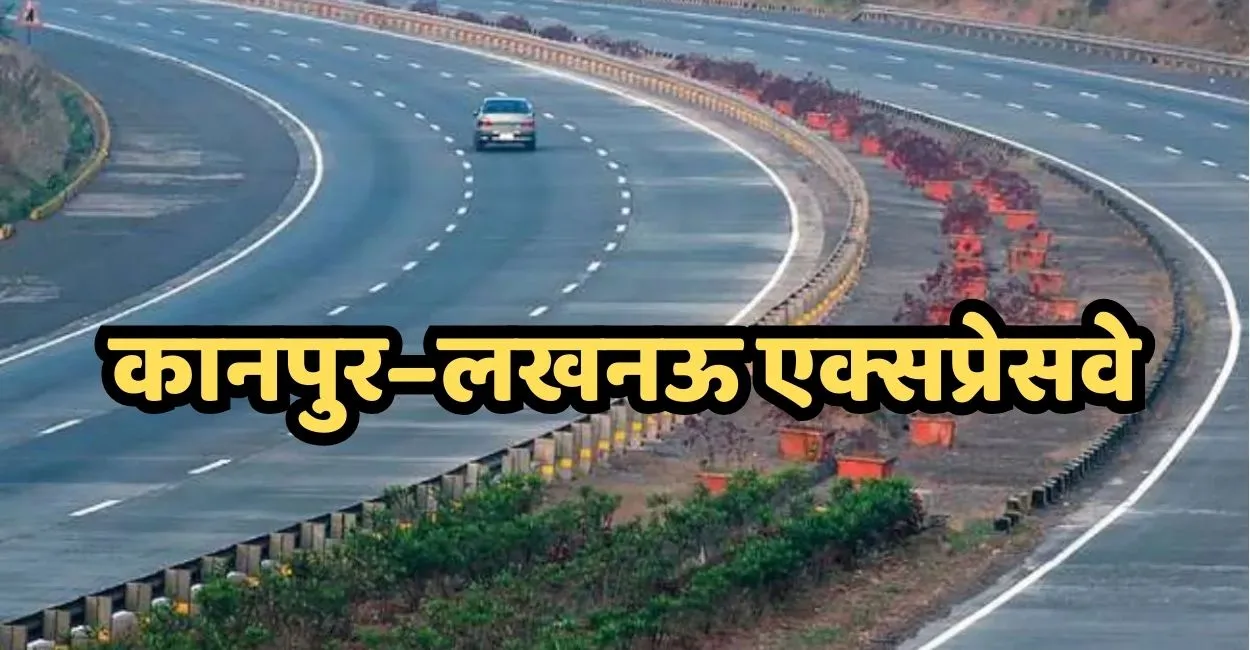
The National Highways Authority of India (NHAI) has begun implementing a ₹7 crore masterplan to transform the Lucknow‑Kanpur Expressway with extensive tree planting and dedicated maintenance. Under the agreement with the state forest department, the project will see around 46,000 trees planted along the greenfield stretch between Bani and Azad Chowk, while a further 4,000 trees will be established along elevated sections.
Lucknow-Kanpur Expressway greening plan supports long-term maintenance
Work has already started following the formal pact between NHAI and the forest department. The forest department will take responsibility for caring for the saplings until they mature, with a five‑year maintenance commitment covering the 45 km route. Planting will be phased, with an average of 1,022 trees per kilometre on greenfield sections and 222 trees per kilometre on elevated stretches installed by the contractor.
Authorities say the planting mix will include bamboo, pakad, banyan and peepal, chosen for their canopy and tolerance to roadside conditions. NHAI officials suggest that once the trees reach maturity the corridor will feel markedly different from typical concrete‑lined highways, offering substantial greenery on both sides of the carriageway.

Irrigation and logistics form a central part of the plan. Six submersible pumps will be installed between Bani and Azad Chowk, water tanks will be placed at intervals, and rooftop solar batteries will power the pumps. The forest department will also allocate funds from the ₹7 crore budget for vehicle support used in irrigation, including tanker runs during the establishment phase.
The expressway under construction is a six‑lane corridor. Along the 45 km greenfield segment, NHAI has left an additional right‑of‑way equivalent to at least three lanes on either side specifically for plantation work, and the authority has barricaded these strips to protect the nascent green belt during establishment.
Project timelines are ambitious: officials say the greening works will be completed in tandem with broader construction activities and aim to finish before the expressway opens. The overall target for finishing the Lucknow‑Kanpur Expressway is March 2026. NHAI and the forest department have already begun preparatory works, including borewells and solar rooftop installations to ensure irrigation systems are ready.
Beyond aesthetic benefits, the initiative carries environmental and social advantages. Roadside planting can help reduce pollution, moderate temperatures, stabilise soil and improve the experience for road users. NHAI’s investment in planting and five years of upkeep signals a growing emphasis on delivering greener infrastructure alongside traditional engineering work.
Officials said they expect the corridor to offer a very different travel experience once established, describing the mature plantation as offering the ambience of a green retreat rather than the conventional concrete expanse associated with highways. If the planting and maintenance proceed as planned, the Lucknow‑Kanpur Expressway is likely to set a precedent in the region for large‑scale highway greening.
Key Takeaways:
- National Highways Authority of India (NHAI) and the forest department will plant around 46,000 trees along the Lucknow-Kanpur Expressway greenfield section.
- The ₹7 crore masterplan covers phased planting across a 45 km greenfield stretch plus 4,000 trees on elevated sections, with five years of maintenance by the forest department.
- Species such as bamboo, banyan, peepal and pakad will be used; irrigation will rely on six submersible pumps, water tanks and rooftop solar batteries.
- The project aims to complete greening before the expressway opens, with the full corridor targeted for completion by March 2026.