Key Takeaways:
- Kremlin spokesman Dmitry Peskov urged restraint and dialogue after US threats against Iran.
- Russia said it will continue to deepen Russia Iran ties and pursue strengthened bilateral relations.
- The Kremlin warned against actions that could intensify instability in the Middle East.
- Remarks came after US President Donald Trump renewed threats regarding Iran’s nuclear activities.

Moscow has urged restraint and direct talks with Tehran after renewed threats from US President Donald Trump, reaffirming that Russia will continue to deepen its relationship with Iran.
Russia Iran ties and the call for dialogue
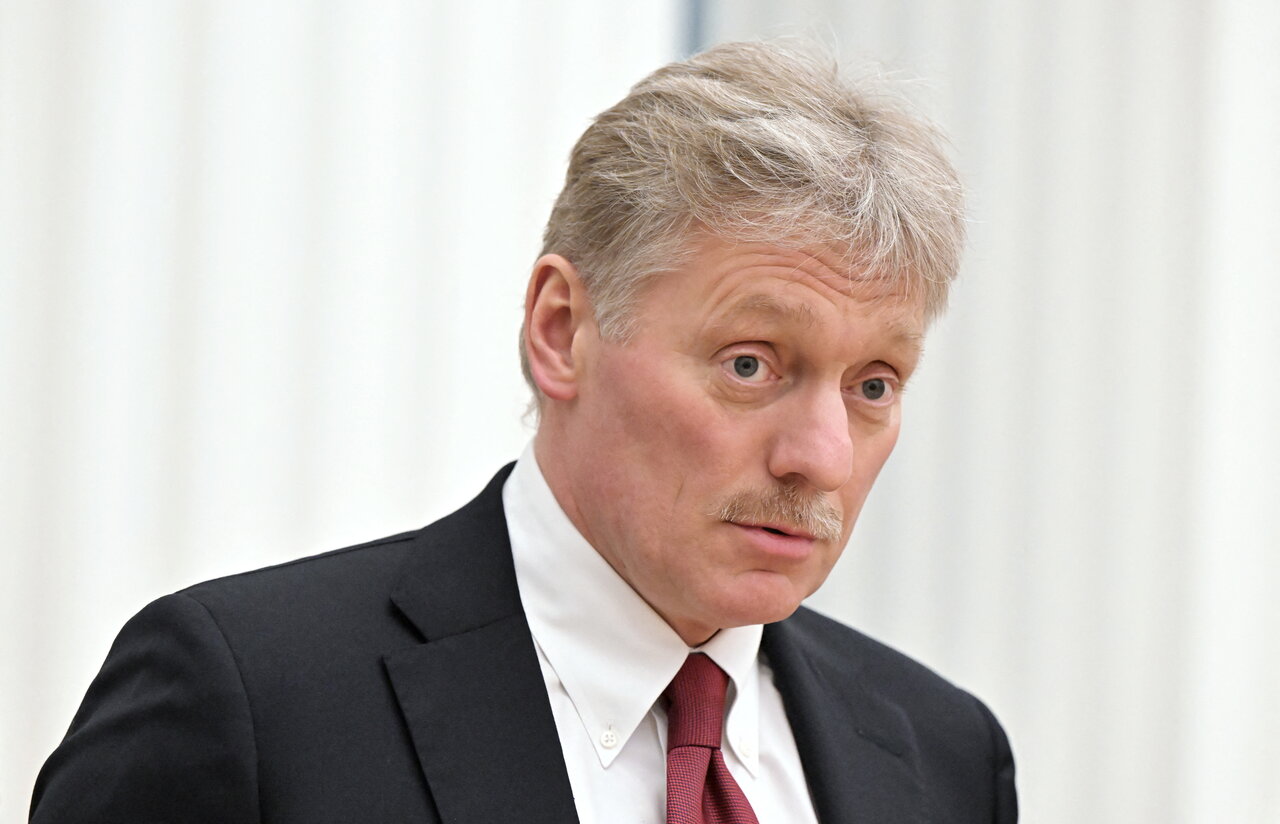
Dmitry Peskov, the Kremlin spokesman, responded to Mr Trump’s latest comments by stressing the need to avoid actions that could further inflame tensions in the Middle East. Speaking to reporters, Peskov said Moscow believes it is essential to refrain from steps that risk escalation and that, above all, dialogue with Iran is necessary.
“We believe it is necessary to avoid actions that could lead to a worsening of the situation in the Middle East,” Peskov said, according to Mehr News, which cited Al-Akhbar. He added that Russia will continue to develop its strong ties with Iran.
The comments follow a series of statements made by President Trump, who said on social media that he hoped Iran would not rebuild its nuclear programme and warned that the United States would have no option but to strike again if Tehran did so. “It may be that Iran will do something bad, but that is not proven yet,” Mr Trump added.
Russia’s response highlights a diplomatic divergence with the United States over how to handle concerns about Iran’s nuclear activities. Rather than signalling support for punitive measures or military action, Moscow emphasised communication and stable bilateral relations with Tehran.
Analysts say Russia’s position serves several purposes. It projects a desire to contain regional instability while protecting strategic ties with a key partner. Russia and Iran have cooperated on a range of issues, including regional security and energy, and Moscow’s public backing for negotiation over confrontation reinforces those links.
Observers note that Russia often calls for de-escalation in public statements when tensions rise, seeking to present itself as a stabilising force. At the same time, Russian officials stress the importance of maintaining and expanding cooperation with Iran in political and economic spheres.
For Tehran, Moscow’s stance is politically valuable. It provides a diplomatic counterweight to Washington’s more hawkish rhetoric and signals that Iran retains important international partners willing to pursue engagement rather than isolation.
While diplomatic exchanges continue, the risk of miscalculation remains. Experts caution that heated statements by any side can increase the chance of incidents that escalate beyond political rhetoric. Russia’s appeal for dialogue aims to reduce that risk by urging direct talks and caution.
In short, the Kremlin’s remarks underline a preference for negotiation and the preservation of bilateral ties with Iran at a time of renewed tensions. Moscow’s commitment to deepen Russia Iran ties suggests that diplomatic channels will remain open, even as the wider international debate over Iran’s nuclear intentions continues.
Image credit: Mehr News / Al-Akhbar