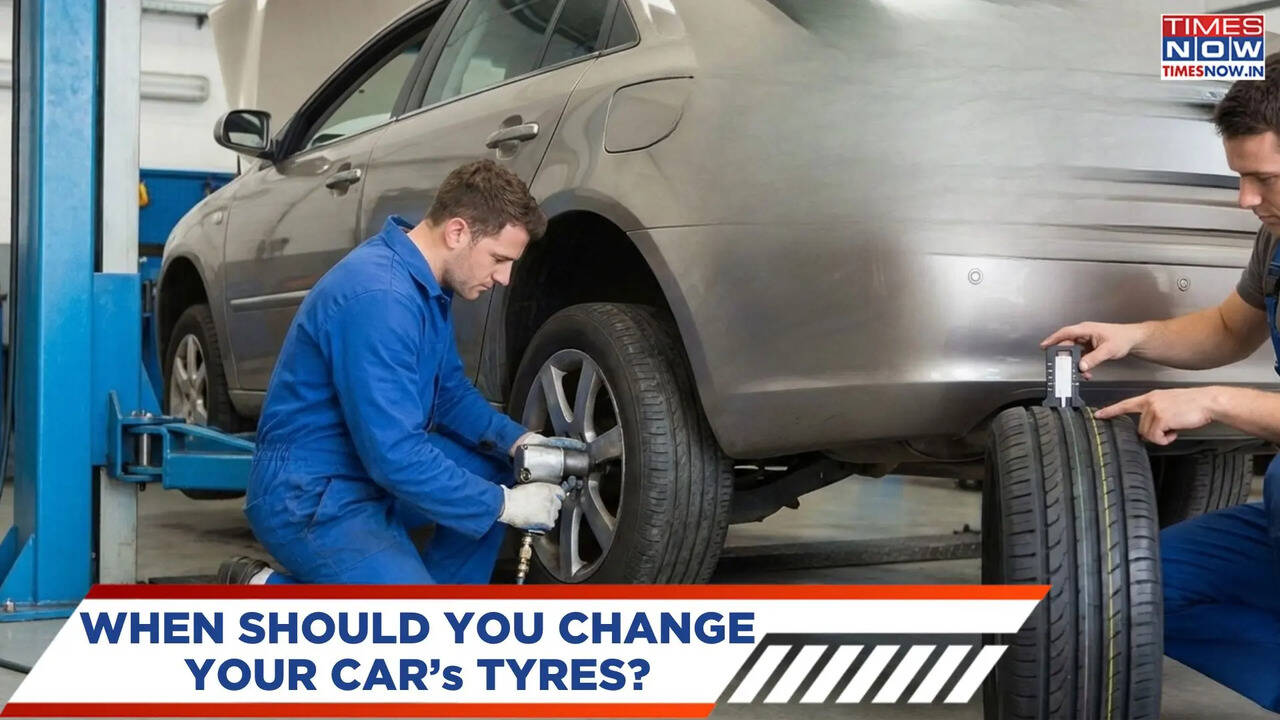
Tyres are the only part of a vehicle that makes contact with the road, yet they often receive the least attention. For drivers in India and elsewhere, recognising when to change tyres can be the difference between a routine journey and a dangerous incident. Regular checks and timely replacement preserve braking performance, handling and fuel efficiency.
When to Change Tyres: The 5-6 Year Rule and Tread Depth
One common misconception is that tyres need replacement only when the tread looks worn. Age matters. Rubber compounds degrade over time through exposure to heat, sunlight and air. Most manufacturers and safety experts recommend replacing tyres every five to six years regardless of mileage. To verify a tyre’s age, check the DOT code on the sidewall: the last four digits indicate the week and year of manufacture.
Tread depth is another critical metric. In many jurisdictions, including India, the legal minimum tread depth is 1.6 mm. However, stopping distances and wet-road grip fall away rapidly before this limit is reached. For improved safety, consider replacing tyres once tread depth reaches about 3 mm. Many tyres feature built-in tread wear indicators in the grooves; when the tread becomes level with these bars, it is time to replace the tyre without delay.

Inspect Regularly and Look for Visible Damage
Beyond age and tread, visible damage should never be ignored. Drivers should look for:
- Cracks or cuts on the sidewall that could weaken the structure.
- Bulges or bubbles that suggest internal cord or breaker failure.
- Uneven wear, which often points to misalignment, suspension faults or incorrect pressures.
- Frequent punctures or repairs, especially if punctures are large or repeatedly occur in the same tyre.
Any of these signs mean the tyre’s integrity is compromised and replacement is the safest option.
How Long Do Tyres Last and How to Extend Their Life
On average, standard passenger car tyres last between 40,000 and 80,000 km, depending on driving style, road conditions and tyre quality. Aggressive driving, poor road surfaces and incorrect tyre pressures accelerate wear. Simple maintenance can significantly extend tyre life and preserve safety.
- Rotate tyres every 8,000–13,000 km to promote even wear.
- Check tyre pressures at least monthly and before long trips; follow the vehicle manufacturer’s recommended pressures rather than the maximum shown on the tyre sidewall.
- Get wheel alignment and balancing checked regularly, particularly after hitting potholes or kerbs.
Tyres are a critical safety component. Observing the 5–6 year rule, monitoring tread depth, inspecting for visible damage and maintaining correct pressure and alignment can prevent accidents and improve comfort and fuel economy. For drivers in India, routine tyre care is an inexpensive way to protect lives and avoid avoidable breakdowns on busy roads.
Key Takeaways:
- Follow the 5–6 year rule: replace tyres at least every five to six years even if tread appears adequate.
- Monitor tread depth and use indicators; aim to change tyres before 3 mm for better braking and wet-road grip.
- Inspect for visible damage such as bulges, cuts or uneven wear and address alignment and pressure issues promptly.
- Regular maintenance—rotation, pressure checks and alignment—extends tyre life and improves safety.