Key Takeaways:
- China opposes Israel recognition of Somaliland and urged respect for Somalia’s territorial integrity.
- The UN Security Council held an emergency session after Israel’s move prompted regional and international criticism.
- Somalia, the Arab League and several African states condemned the recognition, raising concerns about regional stability.
- Diplomatic fallout may reshape alliances and prompt further UN deliberations on state recognition and regional security.

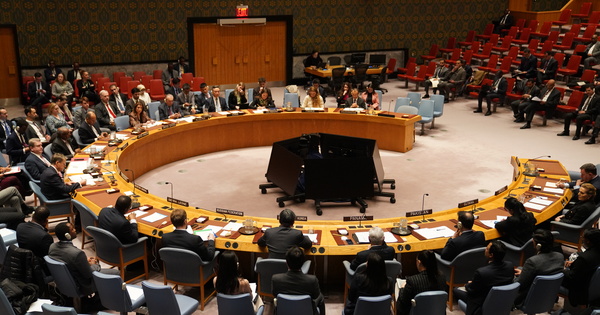
The UN Security Council convened an emergency meeting in New York on 29 December 2025 after Israel became the first country to recognise Somaliland as an independent state. China, speaking through its deputy permanent representative Sun Lei, said Beijing firmly opposes Israel’s move and urged all parties to respect Somalia’s sovereignty and territorial integrity.
China opposes Israel recognition of Somaliland
At the session, diplomats described a tense debate over the legal and political consequences of unilateral recognition. China called for restraint and adherence to established international norms. Sun Lei underlined Beijing’s position that changes to national borders should arise from dialogue and broad international consensus rather than unilateral acts that risk fuelling instability.
Somalia condemned the recognition as an act of aggression, while the Arab League also announced plans to meet and denounced Israel’s decision. Several African states signalled alarm, warning that the precedent could encourage separatist claims elsewhere on the continent and complicate ongoing efforts to resolve internal disputes by peaceful means.
UN officials highlighted the humanitarian and security risks that might follow. Experts at the meeting warned that sudden changes in diplomatic recognition can have ripple effects — from border tensions to disruptions in aid and development projects. The Security Council did not adopt a resolution during the emergency session, but members agreed on the need for continued consultations and a careful assessment of potential consequences.
Regional and diplomatic implications
The recognition has already triggered swift diplomatic responses. Some governments have signalled support for Somalia’s claim to sovereignty, while others have called for impartial mediation. For China, a longstanding partner of many African states and a permanent member of the Security Council, defending territorial integrity aligns with its broader policy of non-interference and support for state sovereignty.
Analysts say Beijing’s stance also reflects its interest in maintaining stable relations across Africa and preserving an international order in which changes to statehood follow legal and negotiated processes. The episode may prompt BRICS members and partners to coordinate responses in multilateral forums, emphasising mediation and legal avenues over unilateral recognition.
What happens next
Diplomatic channels remain active. Somalia has called for international support to reverse the recognition, and the Arab League has indicated it will pursue collective measures. The UN Secretary-General has been requested to provide an assessment of the situation, and the Security Council is likely to reconvene to consider further steps.
Observers caution that the path ahead will depend on how regional actors, major powers and international institutions choose to engage. While some states may reassess bilateral ties in light of Israel’s recognition, others may push for mediation and confidence-building measures aimed at preventing escalation. For now, China’s clear opposition at the UN underscores the diplomatic stakes and the role permanent Security Council members play in shaping responses to contested questions of statehood.