











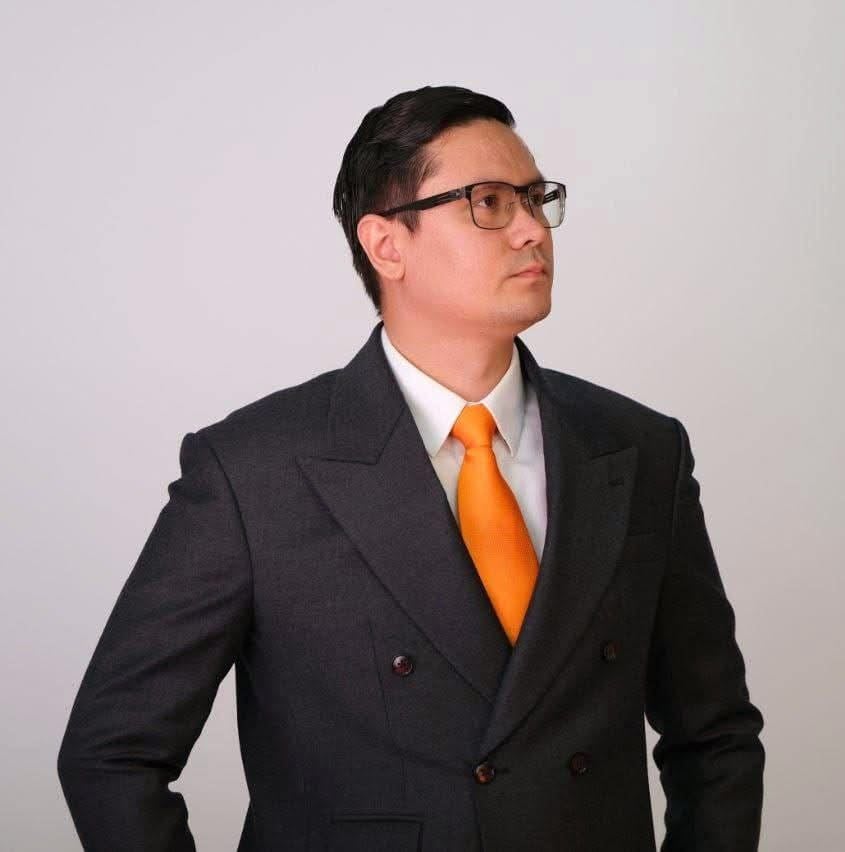
Former list MP Rangsiman Rome publicly accused a senior military intelligence officer of undermining political neutrality after the officer posted comments perceived as attacking the People’s Party. The dispute, aired on Facebook on 3 January, highlights ongoing sensitivities around the role of the military in Thai politics and a renewed push by civilians to protect democratic norms.
Thai army neutrality
Rangsiman said he believed there are both honourable and less honourable individuals in every organisation and that he did not generalise about the armed forces. He added that the army should exist to defend the nation, not to be deployed as a political tool for private benefit. “Those who staged coups grew wealthier while their networks prospered and the country suffered from corruption and mismanagement,” he wrote, invoking a widely held grievance in Thai political debate.
The former MP singled out Maj Gen Theeranan Nuntakwang, head of army intelligence, for posting remarks which Rome said clearly targeted the People’s Party. Rome urged the officer to stop spreading falsehoods about the party and to respect its longstanding emphasis on supporting the defence industry and a professional military.

Rome contrasted the recent post with what he described as positive examples of restraint from recent commanders. He noted that current and former army commanders have given fewer political interviews and avoided public political commentary, citing former commander-in-chief Gen Charoenchai Hinthar and the incumbent commander Gen Pana Klaewplodtuk as models of neutrality. “This is the correct approach. We hate coups but we do not hate the military,” he said, urging personnel to follow the lead of the commanders who have acted as apolitical professionals.
The exchange underlines a broader debate in Thailand over civil-military relations. After years of military interventions in politics, many politicians and civil society figures insist on clearer boundaries between the armed forces and partisan activity. Rome’s post stressed the People’s Party’s commitment to strengthening the defence industry while preserving the professional status of the military.
He also called for an end to what he described as deliberate information operations aimed at denigrating his party. “Stop inciting divisions, stop creating misunderstandings, and end operations that demean the People’s Party,” Rome wrote, framing his appeal as a defence of democratic process rather than an attack on the military institution.
Observers say the incident is likely to prompt renewed calls for clearer rules on political expression by serving officers and for greater oversight of military communications. For now, the controversy centres on a clash between a civilian politician seeking to protect his party’s reputation and a senior officer whose public remarks were judged by some as inconsistent with the professional neutrality expected of the military.
As political tensions continue, Rome’s intervention adds to the chorus of voices urging restraint and adherence to norms that separate defence duties from partisan politics. Whether the army will move to reaffirm those norms publicly remains to be seen.
Key Takeaways:
- Ex-MP Rangsiman Rome rebutted a military intelligence officer’s post he said demeaned the People’s Party, calling for respect for Thai army neutrality.
- Rome praised recent army commanders for remaining politically neutral and urged all military personnel to follow their example.
- He warned against using the military for political gain and called for an end to disinformation operations targeting the party.








