











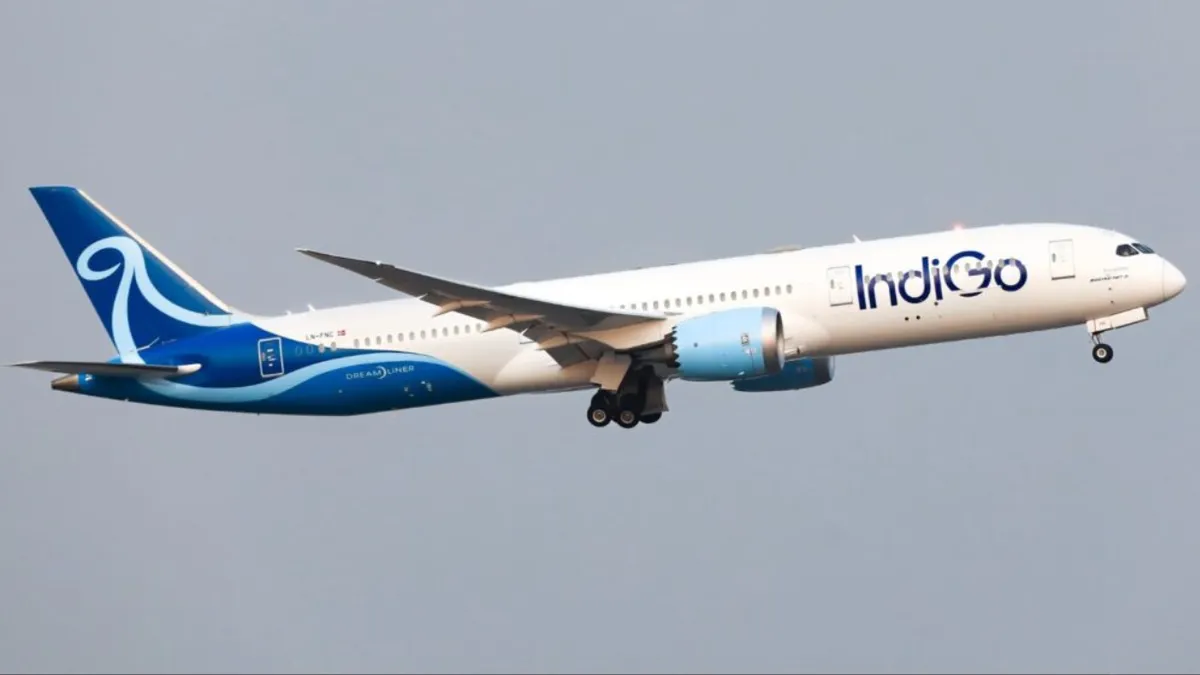
Key Takeaways:
- IndiGo has increased layover and deadheading pay to improve pilot morale following widespread flight cancellations.
- The moves come as the carrier faces regulatory scrutiny, a competition probe and warnings of financial damage.
- Changes aim to help retain pilots amid international competition for staff and stabilise operations from 1 January.

IndiGo raises pilot allowances to restore stability after mass cancellations
IndiGo has announced increases to several pilot allowances in an effort to calm staff concerns and steady operations after the airline cancelled around 4,500 flights earlier this month. The changes, communicated to crews by the carrier’s senior vice president for flight operations, take effect from 1 January.
IndiGo pilot allowances and what changed
The airline will raise layover allowances for captains to 3,000 rupees from 2,000 rupees, and for first officers to 1,500 rupees from 1,000 rupees. Allowances for deadheading — when crew travel as passengers to reposition for duty — will rise to 4,000 rupees from 3,000 rupees for captains, and to 2,000 rupees for first officers, up 500 rupees.
The revisions were announced in an internal email sent to pilots by Ashim Mittra, senior vice president for flight operations, and follow a series of meetings between executives and pilots at various bases. IndiGo said the intention is to improve pilot morale after the disruptions.
Why the changes matter
IndiGo accounts for roughly 65% of India’s domestic aviation market. The cancellations left hundreds of thousands of passengers stranded and drew heightened scrutiny from regulators. Authorities temporarily relaxed some night duty rules to help the carrier restore schedules, a move that prompted criticism from pilot unions and safety advocates.
The allowance increases are a relatively modest cost for a carrier of IndiGo’s scale, but they address immediate concerns around pay and working conditions. Indian airlines are competing with foreign carriers that have been offering pilots higher pay and more attractive terms, creating pressure to retain experienced crew.
Regulatory and financial backdrop
A committee set up by India’s aviation regulator has submitted a report examining the causes of the cancellations, according to the civil aviation ministry. Meanwhile, competition authorities have opened a probe, and Moody’s Ratings warned that IndiGo could face significant financial damage from lost revenue, refunds and possible penalties.
Industry analysts say the carrier needs to demonstrate operational stability and improved crew relations to rebuild passenger confidence and limit regulatory fallout. Increased allowances are one immediate step, but longer-term measures around rostering, recruitment and maintenance planning will be critical.
Outlook
IndiGo’s allowance changes should provide short-term relief to crew and may help stem departures to rival airlines. However, the airline still faces a broader challenge: repairing customer trust and satisfying regulators while managing the financial impact of the disruptions.
For passengers and market watchers, the coming weeks will be telling. If IndiGo sustains more reliable schedules and improves crew retention, the measures announced will be seen as constructive steps toward stabilising India’s busiest domestic carrier.








