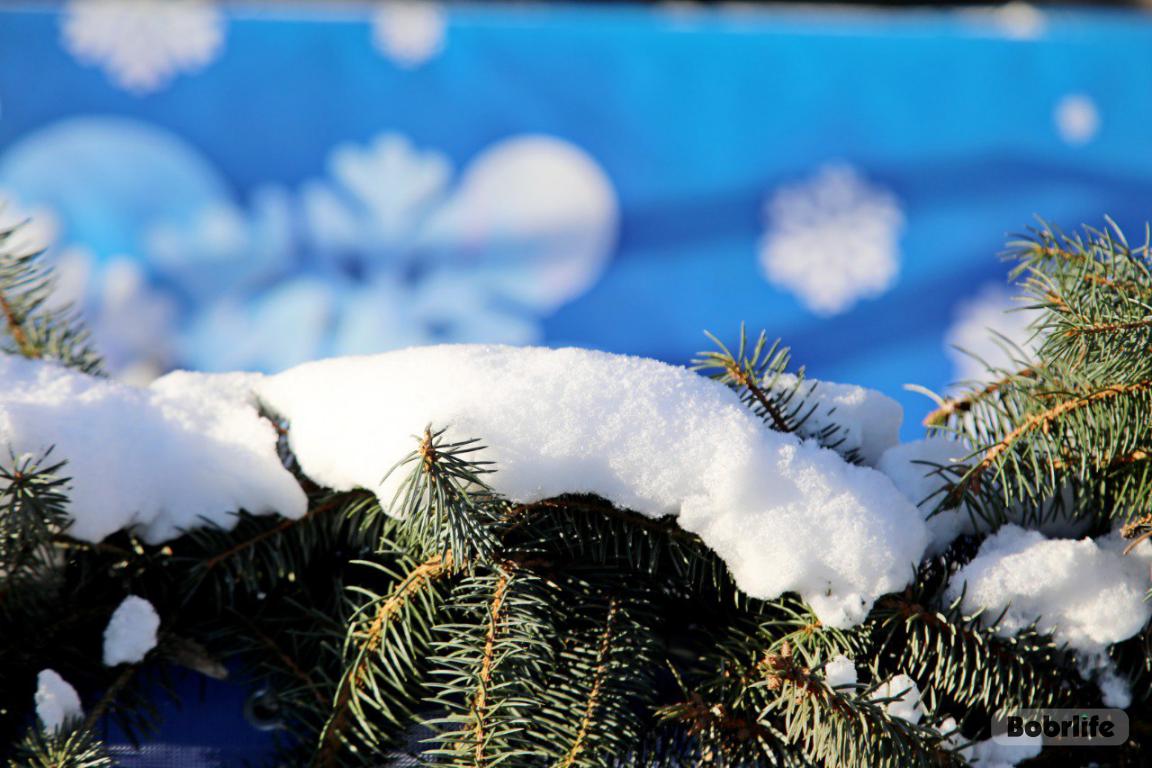
A paediatrician speaking to a Belarus news agency has cautioned parents about the potential health risks when children eat snow or bite off icicles. While freshly fallen snow largely consists of water, the doctor warned that snow and ice in urban areas act as natural adsorbents, collecting a wide range of pollutants that can pose a threat to young children.
Why eating snow can be risky for children
The paediatrician explained that snow and ice pick up exhaust fumes from vehicles, industrial emissions, road de-icing agents, dust, rust particles and construction chemicals. In roadside snowbanks, heavier contaminants such as heavy metals, polycyclic aromatic hydrocarbons and pesticides often concentrate. These substances do not belong in a child’s mouth, and repeated exposure can be harmful.
“Snow and icicles may contain dangerous substances and microorganisms. In any city, snow and ice act like natural adsorbents, absorbing car exhaust gases, industrial emissions, road reagents, dust, rust and building chemicals. In drifts near roads, heavy metals, polycyclic aromatic compounds, pesticides and other toxic substances often accumulate,” the doctor said.

He added that apart from chemical pollutants, snow can also contain animal faeces, including from wild animals. That increases the risk of parasitic infestation or bacterial infections, particularly in toddlers who are more likely to put things in their mouths.
“Snowflakes that have just fallen from the sky typically contain only water and minimal impurities. However, it is important to explain to a child that deliberately eating snow or biting icicles is not acceptable, because the concentration of contaminants and bacteria increases significantly,” he said.
Public health specialists note that the degree of contamination depends on location and weather. Snow in rural or untouched areas will usually be much cleaner than snow that has fallen in busy streets, near industrial sites or close to construction. Salt and chemical de-icers used on roads can also alter the composition of snow, drawing in pollutants and making it less safe to ingest.
Practical steps for parents include discouraging children from eating snow, especially near roadsides and car parks, and avoiding letting them bite icicles that hang from roofs and gutters. Encourage children to play with clean snow from areas away from vehicle traffic, and to wash hands and face after outdoor play. If a child shows signs of gastrointestinal distress or other symptoms after ingesting snow, seek medical advice promptly.
This guidance is not meant to alarm but to inform. Fresh snowfall is generally harmless if encountered briefly, yet urban winter conditions can change the risk profile. Simple rules and supervision can reduce the chance that a moment of curiosity becomes a health problem.
Parents and caregivers should balance outdoor play with common-sense precautions, so children can enjoy winter safely.
Key Takeaways:
- Eating snow near roads and urban areas can expose children to heavy metals, vehicle exhaust and industrial pollutants.
- Freshly fallen snow usually contains mostly water, but contamination accumulates rapidly in drifts and around pavements.
- Snow can harbour animal faeces and bacteria, raising the risk of parasites or infections.
- Parents should teach children not to eat snow or bite icicles and avoid snow close to roads or construction sites.