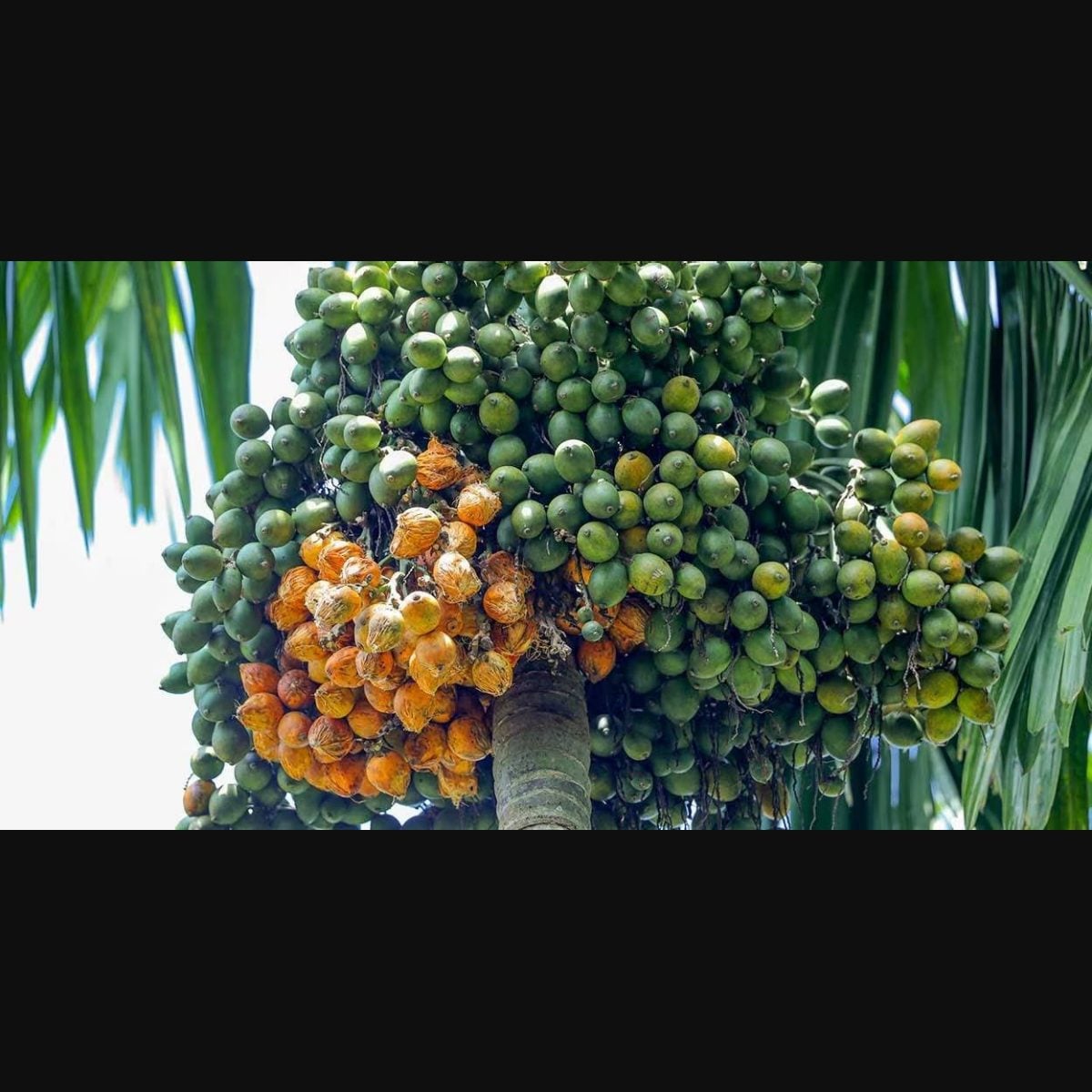
India’s arecanut sector has shown notable strength, with a national market value estimated at around ₹58,664 crore and rising production and exports providing fresh opportunities for growers. Official data from the Directorate of Arecanut and Spices Development point to higher yields even where cultivation area has fallen, offering a brighter near‑term outlook for producers in states such as Kerala.
Arecanut market India outlook and figures
India remains the world’s largest arecanut producer, accounting for roughly 63% of global output. In 2023–24 the country produced about 14 lakh tonnes from 9.49 lakh hectares, with Karnataka the biggest producing state followed by Kerala, Assam, Meghalaya, Mizoram, West Bengal and Tamil Nadu. Despite a reported reduction of 331 hectares of arecanut area in Kerala, production in the state rose by some 1,534 tonnes.
Exports have gained momentum. This year India exported about 2,793 tonnes more arecanut than in 2023–24, taking annual shipments to approximately 13,430 tonnes and realising export receipts of about ₹1,208 crore. Still, exports account for only around 3% of national production, underlining the large domestic market and the potential to expand foreign sales.

Prices, tariffs and trade dynamics
Farmgate prices have hovered around an average of ₹400 per kilogram for the last four years, with traders in Kerala expecting stronger prices in 2026. The central government notified a tariff value of US$7,679 per metric tonne (roughly ₹6,92,200) in December 2025, a move aimed at better regulating imports. Policy shifts such as minimum import price mechanisms have significant impact on domestic prices and farmer returns.
Major importers of Indian arecanut include the UAE, Vietnam, Nepal, Malaysia and the Maldives. While exports are growing, cheap imports from neighbouring countries can suppress demand for higher‑grade domestic nuts among industrial buyers such as pan masala manufacturers. That said, quality-conscious processors in northern India still pay premiums for superior produce, supporting local growers.
Farm economics and risks for growers
At current price levels, well‑managed arecanut cultivation can be lucrative. Farmers cultivating 400 trees per acre can see gross returns in the region of ₹400,000 per acre, with net profits after costs potentially around ₹200,000. However, profitability depends on yield, input costs for fertilisers and pesticides, and effective pest and disease management.
The sector faces structural risks. Policy changes such as a hypothetical ban on pan products would sharply reduce domestic demand. Similarly, renewed low‑priced imports could undercut local prices. Climatic stresses, pests and a declining practice of manual processing remain ongoing challenges for commercial arecanut production.
Experts and traders advise cautious expansion of area and a focus on scientific cultivation, improved nurseries and timely nutrient and pest management to sustain yields. Diversifying with intercrops such as banana or pepper for the first few years can provide early income while arecanut trees mature.
With careful cultivation and supportive trade policy, India’s arecanut growers stand to benefit from rising market value and global demand. Yet the sector’s future will depend on consistent quality standards, strategic export growth and policies that shield domestic producers from disruptive import pressures.
Key Takeaways:
- India leads global production and the arecanut market in India is valued at about ₹58,664 crore.
- National production rose to roughly 14 lakh tonnes from 9.49 lakh hectares despite some regional area declines; exports are growing but remain around 3% of output.
- Farmgate prices average ₹400/kg with tariffs and policy moves influencing trade; this supports farmer incomes but also poses risks.