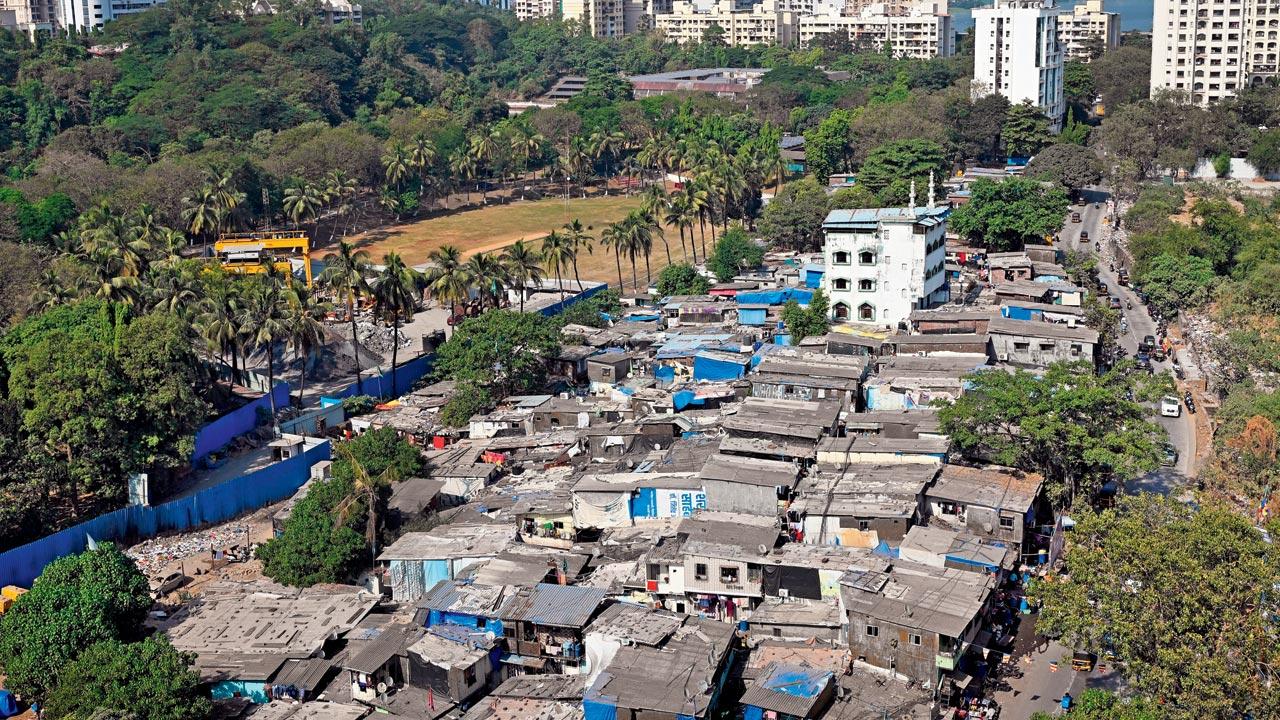
The L ward of Mumbai, one of the earliest suburban divisions placed under the Brihanmumbai Municipal Corporation in the 1950s, will be a key battleground as the city prepares for the BMC Election 2026. Stretching from the island city into the eastern suburbs, the ward combines dense slum settlements, large industrial pockets and residential towers, making governance and service delivery a complex challenge.
Mumbai L Ward Key Facts
L ward is the largest administrative ward in Mumbai, covering 16 electoral wards and home to a population of roughly 9,02,225. Slums account for about 70 per cent of the ward’s surface area. The Mithi river defines the ward’s western boundary and Powai lake lies to the north. These water bodies contribute to 17 chronic waterlogging spots that routinely disrupt life during the monsoon season.
Infrastructure pressures are visible across the ward. The Santacruz Chembur Link Road, a major east west connector, bisects L ward and endures severe traffic snarls particularly during evening peaks. Open stormwater drains are numerous and road concreting remains incomplete in many localities.
Mumbai L Ward Local Concerns and Governance
Residents of areas such as Chandivli have raised alarms about deteriorating air quality, attributing the trend to industrial units marked unauthorised by the Maharashtra Pollution Control Board. The BMC reports ongoing action against such units, but persistent complaints underline public anxiety about health and environmental safety.
Vulnerable communities are concentrated along hill slopes and beneath high tension lines, where 13 settlements house some 12,000 people. Open spaces total about 60 sites across the ward, although many are under pressure from development and informal use.
Electoral dynamics vary across the 16 wards that make up L ward. Recent historical results show victories for a range of parties including MNS, Shiv Sena, BJP, Congress and independents. Several wards have shifted reservation categories for the 2025 cycle, influencing candidate selection and party strategies. Tentative voter rolls ahead of the 2025 elections show large electorates in multiple wards, for example Ward 164 with nearly 62,945 voters and Ward 157 with roughly 56,642 voters.
What to Watch in the Run up to the Election
Key issues likely to shape campaigning in Mumbai L Ward include flood mitigation, air quality controls, the regulation of industrial activity and improvements to traffic and drainage infrastructure. Parties will also target communities with high concentrations of Muslim voters and other demographic groups that can determine tight contests in several electoral wards.
For civic administrators, the twin tasks are immediate and long term. Short term measures must reduce monsoon disruption and curb unauthorised pollution sources. Long term planning must balance housing needs, industrial regulation and transport upgrades to improve resilience and living standards across the ward.
As Mumbai heads into the BMC Election 2026, the L ward will test candidates on delivery and regulatory enforcement. How effectively authorities and prospective councillors address flooding, pollution and infrastructure deficits will shape voter decisions and the ward’s future governance.
Key Takeaways:
- Mumbai L Ward is the largest administrative ward in the city with over 900,000 residents and extensive slum areas.
- Mumbai L Ward confronts chronic flooding from the Mithi river, worsening air pollution from unauthorised industries and severe traffic bottlenecks.
- Ward comprises 16 electoral wards with varied reservation statuses and shifting tentative voter counts ahead of BMC Election 2026.