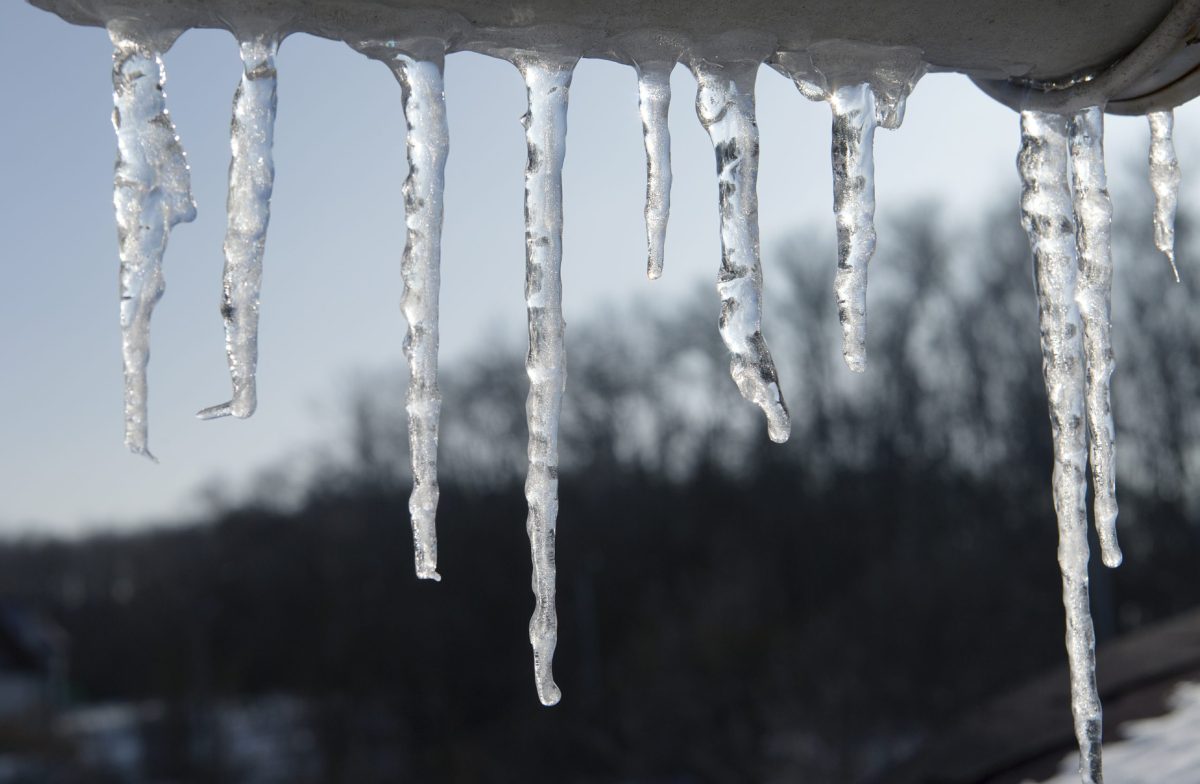
City authorities in Saint Petersburg have begun using an artificial intelligence system to monitor roofs for dangerous icicles, aiming to reduce accidents and speed up enforcement. The neural network, known locally as “Gorodovoi”, scans camera footage and flags potentially hazardous ice formations, passing information to municipal control services for follow-up.
AI icicle detection Russia explained
According to reporting from Delovoy Peterburg, the system recently identified several violations. One building owner on Sedova Street was fined 100,000 roubles for failing to remove icicles in time, and ten other property owners received warnings. The new workflow moves from automated detection to human verification and then to formal action, such as a notice or a fine.
Gorodovoi analyses the urban environment to identify «ice accretions» on roofs that present a risk to passers-by. When a threat is detected, control services receive the evidence and can either dispatch crews to remove the ice or issue penalties to the property owner. City officials say this allows them to respond more rapidly than relying on public complaints or ad hoc patrols.

Beyond icicle monitoring, the same camera network is being used to oversee other municipal tasks. Systems equipped with computer vision check whether courtyards and pavements are being cleared, record the work of street cleaners, and flag problems with rubbish. In some cases the system can alert the National Guard if it detects hooliganism on children’s playgrounds.
Local authorities present the initiative as a practical safety measure. Icicles falling from roofs have caused injuries and, in some tragic instances, fatalities in recent winters, and automated monitoring promises to identify risks before they result in harm. Supporters say the approach makes municipal services more efficient and ensures property owners fulfil their responsibilities.
However, the deployment has not been without controversy. Residents and civil liberties advocates warn that continuous camera monitoring expands surveillance of everyday life. Critics argue the balance between public safety and privacy requires careful oversight, transparent rules on data retention, and clear limits on how footage may be used.
Municipal officials say safeguards are in place and that footage is used strictly for public-safety purposes. They add that human review remains part of the process and that enforcement actions follow statutory procedures. Still, the question of how far automated monitoring should extend into civic life is likely to remain a subject of public debate.
For now, Saint Petersburg’s experiment with AI-driven icicle detection appears to be producing immediate results in hazard identification and enforcement. If it reduces injuries and speeds up maintenance, other Russian cities may adopt similar systems. Observers will watch how authorities balance the clear public-safety benefits against concerns about privacy and the broader use of surveillance technology.
Key Takeaways:
- Saint Petersburg has deployed the neural network “Gorodovoi” to detect hazardous icicles and notify control services.
- The system has already led to fines and warnings for property owners who failed to remove rooftop ice.
- AI icicle detection Russia speeds up responses to rooftop hazards while prompting debate over surveillance and privacy.
- The same camera network also monitors street cleanliness and can alert authorities to vandalism or safety risks.