











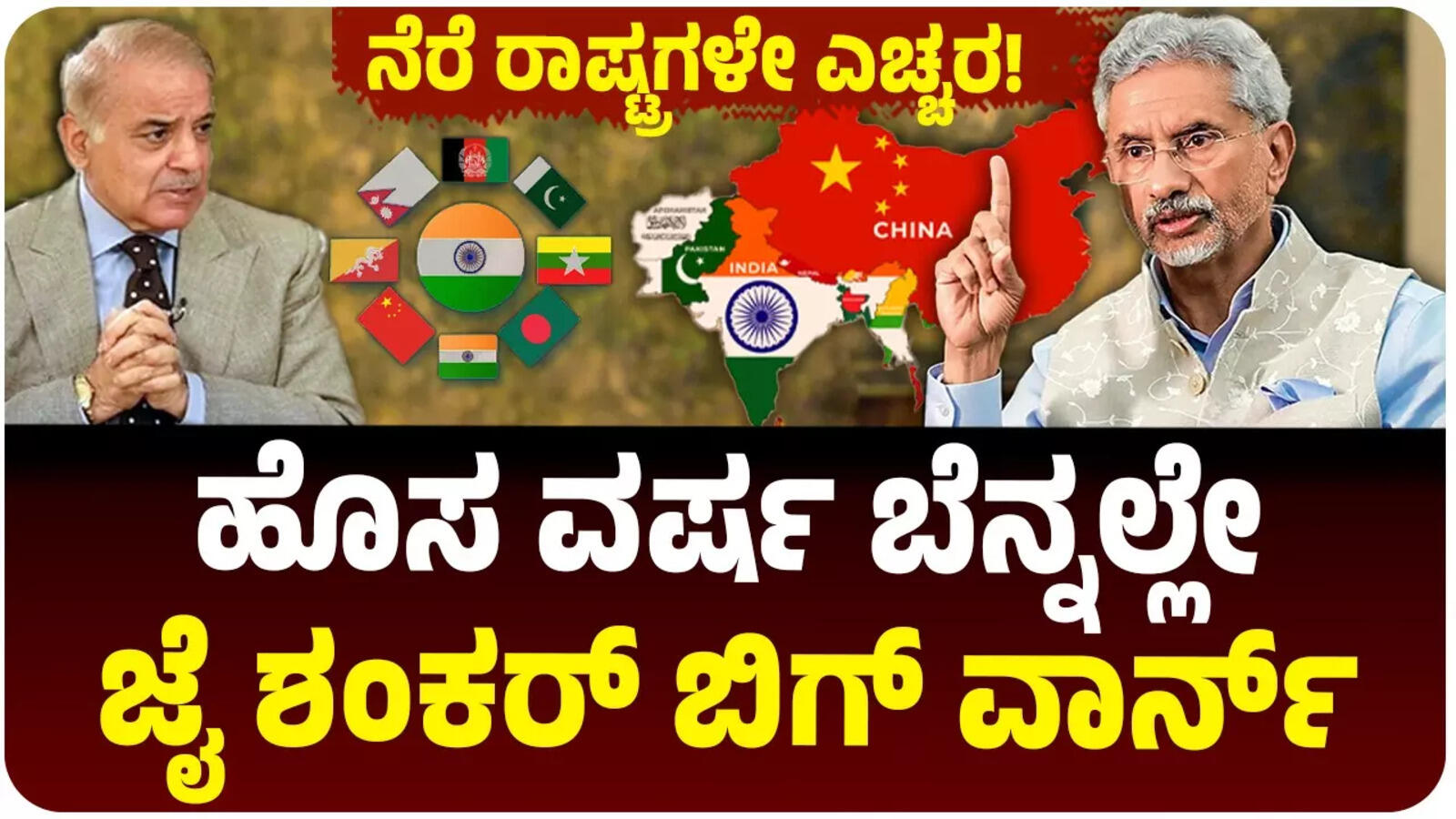
India’s foreign minister, S. Jaishankar, delivered a clear message about the country’s approach to its neighbourhood during a speech at IIT Madras. Speaking to students and academics, he rejected the notion that India should accept contradictory behaviour from its neighbours. He pointedly criticised states that seek India’s resources while allowing or supporting violence on Indian soil, and made it plain that New Delhi will no longer accept such double standards.
How India foreign policy is changing
Jaishankar described a pragmatic policy: India will be a friend to good neighbours but will not tolerate malicious actions from hostile states. He emphasised that sovereign decisions about defence and security are for India to make, and that external actors should not lecture the country on what it can or cannot do to protect itself. While he did not name any country explicitly, his comments were widely read as directed towards Pakistan, given the longstanding problems between the two states.
The minister framed the approach as a recalibration rather than a radical break. New Delhi seeks cooperative ties with countries that contribute positively to regional stability, trade and development. At the same time, it will adopt firmer measures against those engaged in cross-border terrorism or other destabilising activities. This balancing act mixes strengthened diplomatic outreach, targeted economic levers and robust security readiness.

Analysts say the speech signals greater clarity in India’s neighbourhood policy. Rather than ambiguous rhetoric, India appears to favour explicit expectations: states that benefit from Indian goodwill must not foster harm within India. The announcement intends to make the costs of malign behaviour more predictable while preserving room for diplomacy where possible.
There are practical implications. On one level, India may intensify diplomatic pressure and cut back certain types of engagement with states that persist in hostile behaviour. On another, it will continue to expand economic and infrastructural ties with neighbours that offer constructive cooperation. The dual strategy aims to protect national security without closing doors to future reconciliation.
Observers note that the approach does not necessarily undermine India’s participation in multilateral forums, including BRICS. India’s clearer stance is primarily bilateral in focus: it aims to manage immediate security threats while maintaining engagement on broader global issues such as trade, technology and climate. A firmer posture on security does not preclude active diplomacy at multilateral tables.
Domestically, the message also reinforces political expectations about government responsibility to safeguard citizens. By asserting that India need not accept advice on what measures are necessary to defend itself, the minister appealed to national sovereignty and public sentiment about security.
Looking ahead, the new emphasis on conditional neighbourliness could produce short-term tensions with states accustomed to a different Indian posture. However, if combined with consistent diplomatic outreach and clear incentives for cooperation, the policy may help stabilise regional relations over time. For now, Jaishankar’s remarks mark a notable moment in which India has set firmer boundaries for its diplomatic engagement in the neighbourhood.
Key Takeaways:
- Foreign Minister S. Jaishankar warned hostile neighbours at an IIT Madras event, stressing India will not tolerate simultaneous requests for resources and support for terrorism.
- The remarks mark a clearer neighbourhood policy: warm relations with constructive neighbours, firm response to malign behaviour.
- The shift blends diplomatic engagement with calibrated deterrence, aiming to protect national security without undermining multilateral ties.








