











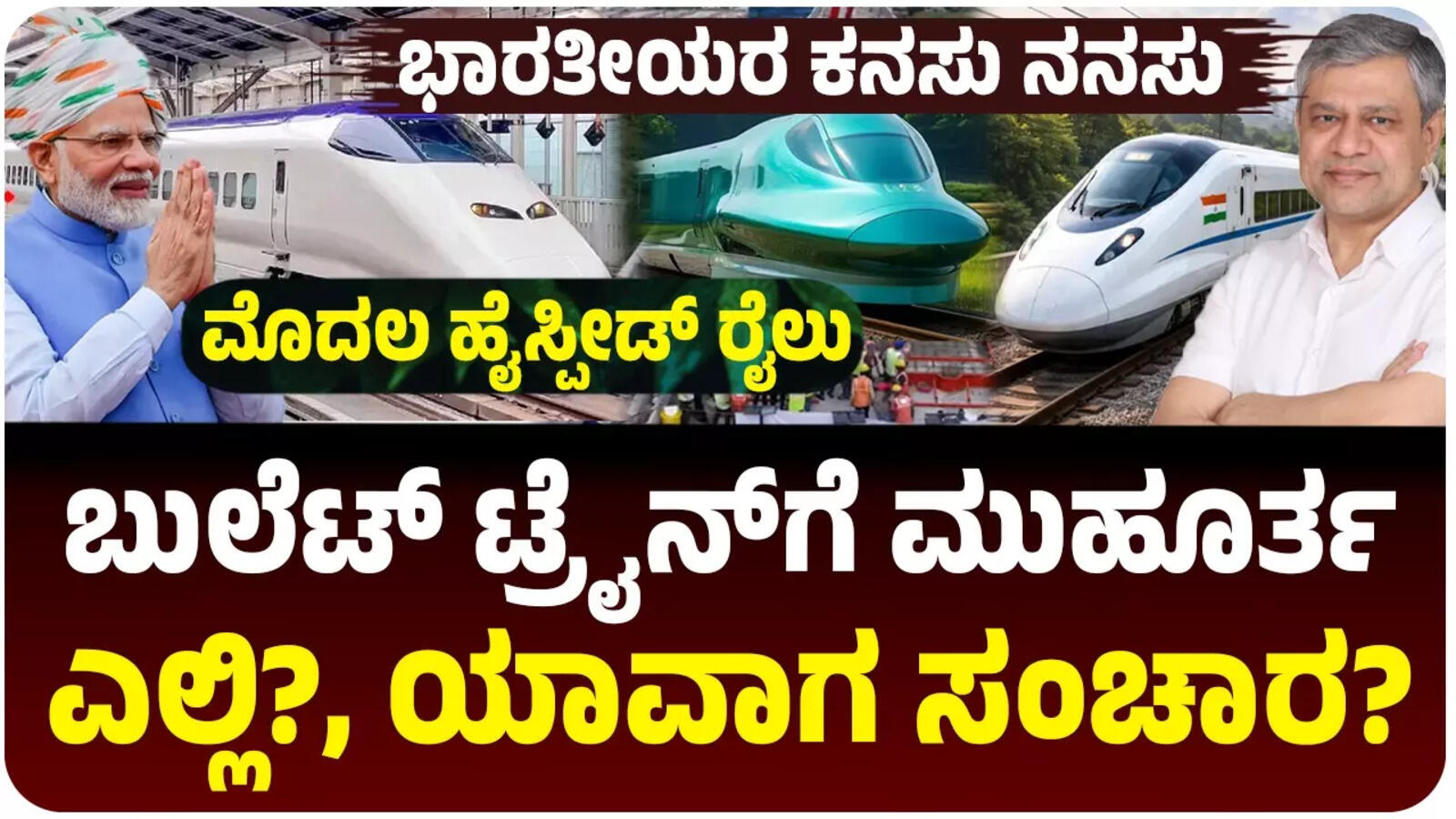
India has moved closer to running its first high-speed bullet train, with Railway Minister Ashwini Vaishnaw announcing that the inaugural service now has a fixed date. Officials said the milestone marks a significant step for the country’s modernisation of rail infrastructure and promises to transform intercity travel on the main corridor.
The flagship route for the project is the Mumbai–Ahmedabad corridor, which uses Japanese Shinkansen technology and is designed to operate at speeds of up to 320 kilometres per hour. When fully operational, the service will cut journey times dramatically between the two cities and offer a new, reliable option for passengers and business travellers alike.
India bullet train route and timeline
The Mumbai–Ahmedabad high-speed rail line spans roughly 508 kilometres and has been India’s primary bullet train initiative since work began following the 2017 agreement with Japan. Construction has progressed in phases: elevated sections, tunnels and bridges have been completed in multiple stretches, while testing and safety certification remain ongoing ahead of commercial operations.

Railway Ministry sources say phased commissioning will follow the completion of final trials and regulatory clearances. Although the project experienced delays owing to technical and land-acquisition challenges, recent announcements indicate the authorities are confident of an imminent start to passenger services on selected sections.
Technology, cost and funding
The project deploys tried-and-tested Japanese high-speed rail technology, tailored to Indian conditions. Funding has come largely through a long-term soft loan facility from Japan, complemented by domestic allocations for construction and land acquisition. The total cost has been widely reported in public records and the partnership emphasises technology transfer and capacity building for Indian railway personnel.
Beyond the direct investment, planners expect wider economic benefits: reduced travel time, improved connectivity for industry and commerce, and opportunities for ancillary development along stations and depots. Job creation during construction and for ongoing operations is another projected advantage.
What to expect next
In the coming weeks officials will publish the precise timetable for the inaugural run and the phased roll-out plan. Authorities will continue to complete safety tests, staff training and trial runs required for certification. Commuters and businesses along the corridor should prepare for gradual service introductions, beginning with limited runs and expanding as more sections clear regulatory checks.
While the bullet train project has been a subject of public anticipation and debate, the latest announcement affirms the government’s commitment to modernising transport infrastructure. The first commercial runs of the India bullet train are expected to showcase the country’s ability to integrate international technology with domestic execution.
Key Takeaways:
- The India bullet train project, using Japanese high-speed technology, now has a fixed inaugural date announced by Railways Minister Ashwini Vaishnaw.
- The Mumbai–Ahmedabad corridor will run at speeds up to 320 kilometres per hour, significantly cutting travel time and boosting regional connectivity.
- The project, launched in 2017, faced technical delays but has progressed through major construction milestones and remains largely financed through Japanese partnership and soft loans.
- Officials say phased commissioning and safety trials will precede commercial operations; economic and employment benefits are expected across the corridor.








