











Key Takeaways:
- Ukraine peace talks may yield results in weeks, Polish Prime Minister Donald Tusk says.
- Tusk cites US security guarantees and international discussions as grounds for cautious hope.
- Key issues remain unresolved, including control of the Zaporizhzhia nuclear plant and the fate of Donbas.
- Leaders aim to convene in January to decide on long-term arrangements for Ukraine and regional security.

Tusk says Ukraine peace could be achieved within weeks
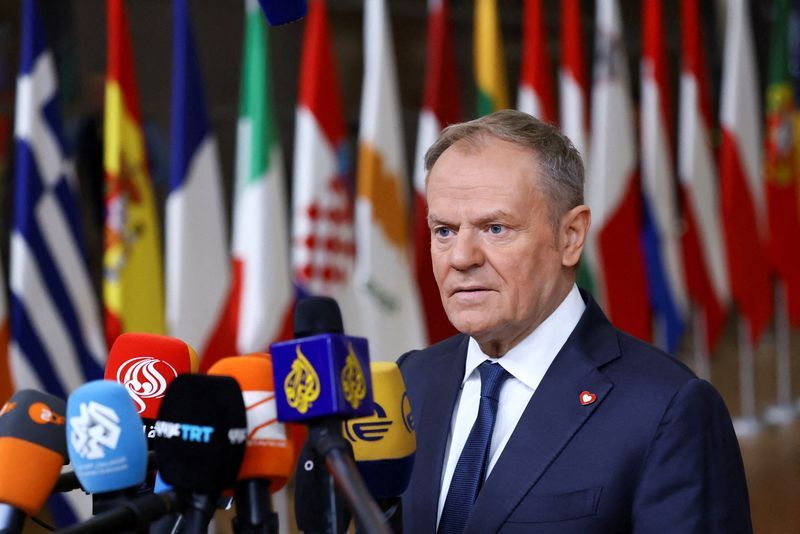
Poland’s prime minister, Donald Tusk, said on Tuesday that peace in Ukraine could be achieved within weeks after talks with European leaders, Canada and NATO. He described the prospect of a rapid settlement as a realistic hope while warning that significant obstacles remain.
Progress in Ukraine peace talks
Tusk told a government meeting that recent diplomatic developments gave grounds for optimism and that discussions in the coming weeks would be decisive. “Peace is on the horizon,” he said, adding that by January leaders would need to come together to make decisions about the future of Ukraine and the wider region.
The Polish leader pointed to security guarantees offered to Kyiv by the United States as one of the factors that have altered the negotiating calculus. He also said Kyiv would likely need to accept compromises on territorial questions if a deal were to be secured quickly.
U.S. President Donald Trump told reporters after talks with Ukraine’s President Volodymyr Zelenskiy that negotiators were “getting a lot closer, maybe very close” to an agreement, though he cautioned that thorny issues remained. Zelenskiy identified control of the Zaporizhzhia nuclear power station and the future of the Donbas region as outstanding points.
Competing territorial demands and security guarantees
The Kremlin said its negotiating position would harden after accusing Kyiv of an attack on a Russian presidential residence, an allegation Kyiv dismissed as baseless and aimed at prolonging the conflict. Moscow has demanded that Ukrainian forces withdraw from parts of Donetsk that Russia has not managed to occupy since the full-scale invasion that began in February 2022.
Kyiv has said it wants fighting to stop along current front lines. Washington has proposed a package that includes the possibility of a free economic zone in return for Ukrainian troop withdrawals from certain areas. How such arrangements would be implemented, and how they would address sovereignty and security concerns, remains unclear.
Diplomacy and next steps
Tusk urged caution even as he expressed hope, noting that the possibility of a quick settlement was not certain. He emphasised the need for close coordination among allies and for Kyiv to be prepared to accept difficult compromises if a lasting peace is to be achieved.
Western and regional leaders are expected to intensify diplomatic efforts ahead of the meetings Tusk referenced in January. Any agreement will have to reconcile the demands of Moscow, the security concerns of NATO and the United States, and the territorial and political priorities of Kyiv.
Analysts say a deal reached quickly would represent a major shift after nearly four years of intense fighting and would carry complex political and economic consequences for Ukraine and the region. For now, officials are continuing talks and assessing whether recent moves can be translated into a concrete framework for ending the war.








