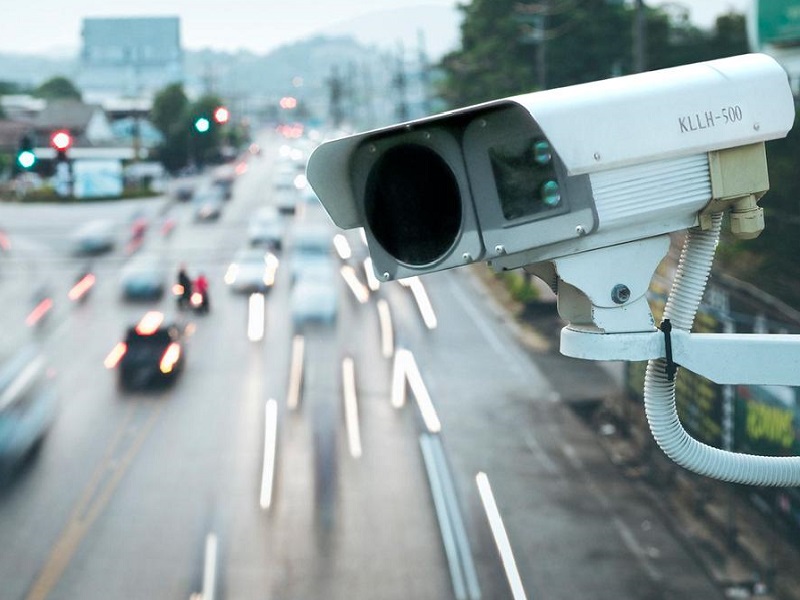
From 1 January 2026 Belarus will start automatically deducting certain fines from debtors’ bank accounts, deposits and electronic wallets under a new enforcement law. The change tightens financial collection tools and expands the powers of judicial officers to recover unpaid administrative penalties, including traffic fines recorded by automated cameras.
How automatic fine deductions in Belarus will work
The law permits compulsory withdrawals when two conditions are met: the outstanding fine does not exceed 20 base units (900 Belarusian rubles) and no other enforcement proceedings targeting the debtor’s funds are underway. Once a judicial officer receives a report of an offence and opens enforcement proceedings, the automated execution phase can begin.
For many camera-recorded traffic violations the stage of forced execution begins as soon as the enforcement case is opened, meaning there is no separate voluntary payment period beyond that already set by the administrative body handling the offence.

Timetable for repayment and consequences
Debtors have a two-month window to settle the debt without added penalties. During the first month they must pay at least 30% of the amount; during the second month they must clear the remainder. Failure to meet these deadlines can trigger additional measures, such as seizure of assets, temporary restrictions on the right to operate vehicles, and a forced collection fee of 10% of the debt (but not less than 0.5 base units, equivalent to 22.5 rubles).
Judicial officers will raise a payment request through the automated information system for execution of monetary obligations (AIS IDO) and then effect the deduction from available funds. The law also covers deposits and accounts held in non‑bank credit and financial organisations.
Protections and expanded restrictions
The legislation provides a remedy where funds have already been paid: if a debtor can present proof of payment made before the start of enforcement proceedings, the amount will be returned. In more severe or prolonged non‑payment cases authorities may impose broader restrictions, including limiting the debtor’s ability to perform certain transactions with their money or other property.
Notably, the scope of certain restrictive measures has been broadened. Company officials at debtor organisations may face temporary bans on driving motor vehicles and small craft. Organisations that owe fines will also face a new practical sanction: their vehicles may be prevented from leaving Belarus, a measure previously applied only to individuals.
Officials have framed the law as a step to improve collection efficiency and reduce administrative backlog. Analysts caution that the measure will require clear procedures and safeguards to avoid mistaken deductions and to ensure timely refunds where payments have already been made.
The change signals a stronger emphasis on automated enforcement in Belarusian administrative practice and will affect motorists, account holders and organisations with small outstanding fines from 2026 onwards.
Key Takeaways:
- New law allows automatic deduction of fines under 900 Belarusian rubles from bank accounts, deposits and e‑wallets.
- Debtors have two months to settle: at least 30% in the first month and full payment by the second, or face further measures.
- Judicial officers will use an automated system (AIS IDO) to issue payments and execute collections; receipts can secure refunds if already paid.