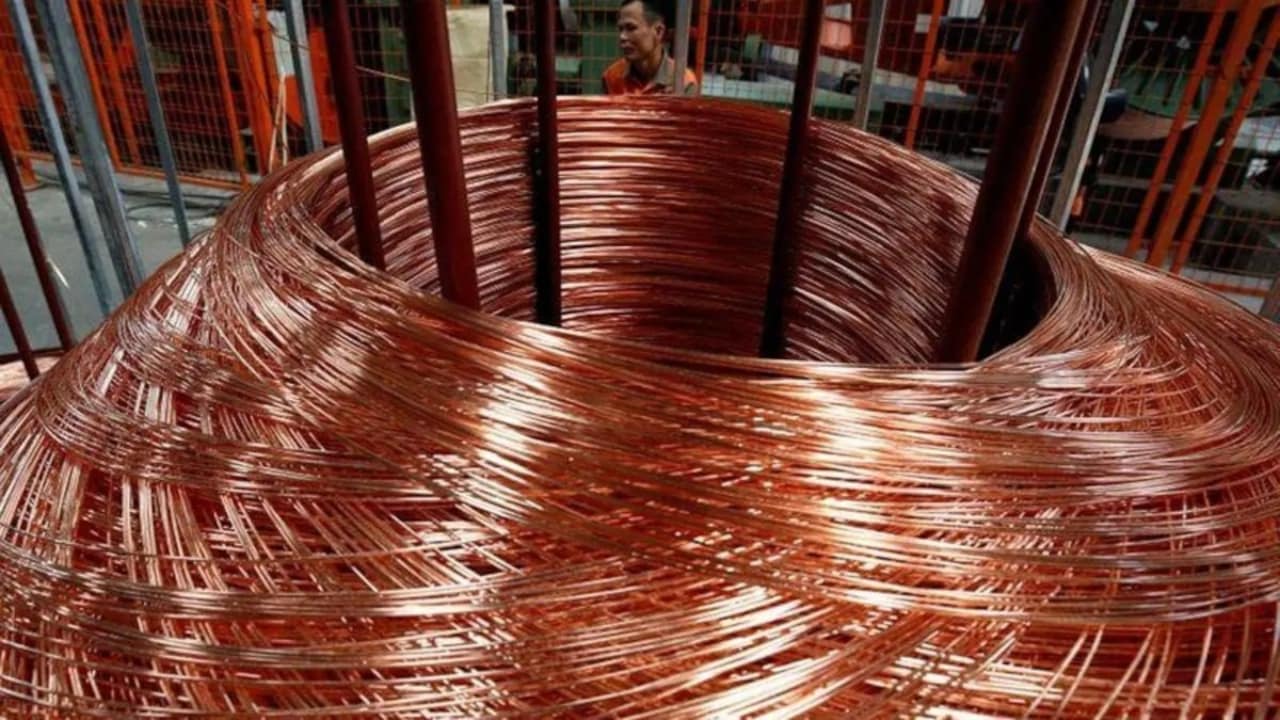
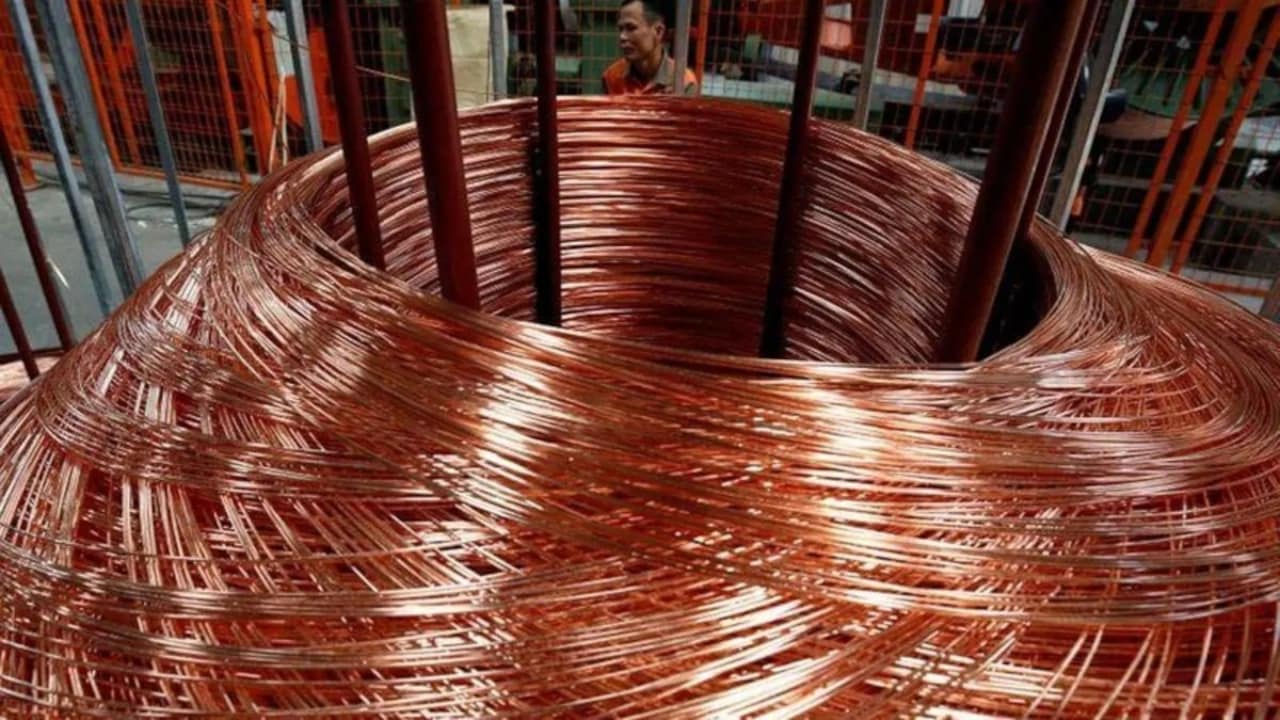
Industrial metals have recorded fresh strength with aluminium surpassing $3,000 per tonne for the first time in more than three years and copper approaching record levels. Market participants say supply constraints and robust industrial demand are pushing prices higher, a trend that is already filtering through to consumer goods in India.
Aluminium prices have been supported by lower smelting capacity in China and higher electricity costs in Europe, while disruptions in mining and logistics have tightened copper availability. Futures on major exchanges rose sharply last year, reflecting the strongest annual growth for aluminium since 2021 and substantial gains for copper following years of underinvestment in new supply.
aluminium and copper prices drive cost increases
Manufacturers of durable household goods and electrical equipment are warning that higher raw material bills will translate into price increases for end consumers. Companies that make kitchen appliances, bathroom fittings, cookware and air conditioning units in India say they face rising input costs because copper and aluminium account for a large share of their bill of materials.

On the Multi Commodity Exchange, copper rates climbed to around Rs 1,300 per kilogram, an increase of more than 6 percent this year. Suppliers and retailers told financial outlets they may pass on a modest portion of the increase to consumers, with typical hikes in durable goods projected at a few rupees per unit. While the absolute amount may appear small, the cumulative effect across several products could be noticeable for household budgets.
Several factors are underpinning the rally. Mining accidents and operational troubles in Indonesia, Chile and the Democratic Republic of Congo have reduced mine output, tightening the market for several base metals. Indonesia, the world’s largest nickel producer, has signalled cuts in nickel exports this year, further squeezing supply. Meanwhile, trade frictions and shipping decisions to redirect material flows have added stress to international markets.
Analysts also highlight demand fundamentals. Continued investment in manufacturing, renewable energy infrastructure and electric mobility is increasing long term demand for copper and aluminium. Lower global interest rates, a weaker dollar and signs of recovery in China’s economy have supported commodity prices. Investment flows into commodities following strong gains in gold and silver last year have added momentum to the move.
Global banks and commodities houses have adjusted their forecasts. Goldman Sachs noted that policy changes, supply interruptions and ongoing global investment have driven industrial metal prices higher and expects copper prices to remain elevated into the first half of 2026. Higher prices are constructive for exporting nations and miners, but they are a headwind for import-dependent industries.
For Indian consumers the immediate impact will be felt in specific categories rather than across the whole consumption basket. Durable goods and electrical appliances that use substantial amounts of copper and aluminium are most exposed. Firms may trim margins or pass on part of the increase. In the medium term, sustained higher commodity prices could spur more domestic recycling and substitution efforts as companies seek to manage cost pressures.
Policymakers and industry groups will be watching closely. Elevated metal prices can bolster export revenues for resource producers among BRICS+ members but increase input costs for manufacturers in importing economies. How companies and governments balance these dynamics will shape inflationary pressures and industrial competitiveness in the coming quarters.
Key Takeaways:
- Industrial demand and supply constraints have pushed aluminium and copper prices higher.
- Aluminium and copper prices are affecting costs of household goods from cookware to air conditioners.
- Supply disruptions in Indonesia, Chile and the Democratic Republic of Congo and policy shifts in China have tightened markets.
- Analysts expect prices to remain elevated, supporting exporters but raising consumer costs.