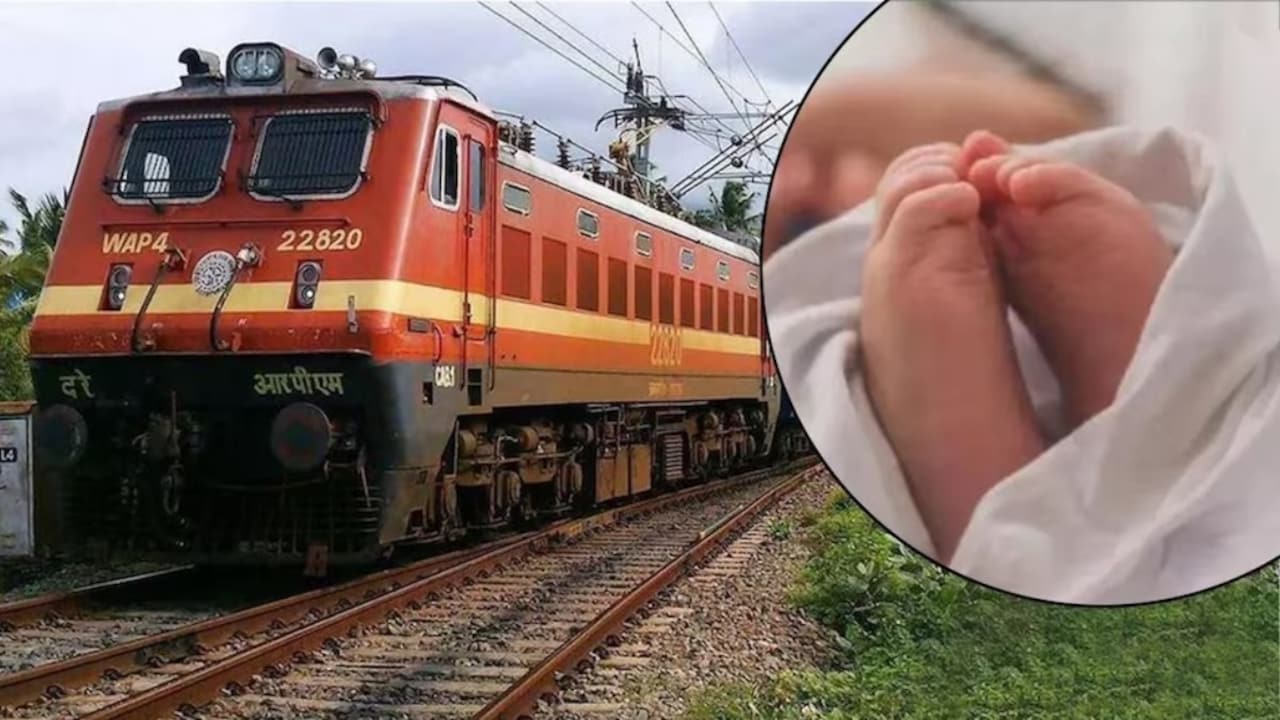
On 1 January a moving passenger train became an improvised delivery room after an eight‑month pregnant woman went into premature labour on board the Sri Mata Vaishno Devi Katra–Jabalpur Express (11450). Fellow travellers sprang into action to assist the mother and a healthy baby girl was born before the train could reach its next major medical facility.
Train delivery India and passengers’ quick response
The woman, identified as Abhilasha, was travelling with her husband Jawaharlal from Jammu and Kashmir to their native village Sitoli in Panna district, Madhya Pradesh. According to railway reports, she had been due to give birth around the time of the journey and began to feel mild labour pains as the train approached Delhi. After passing Tughlaqabad station her pain intensified and it became clear the baby would arrive sooner than expected.
Passengers in coach S‑5, many of whom were women, recognised the urgency and organised an immediate response. They used available sheets, shawls and blankets to create a private space around the expectant mother and called for help. With assistance from more experienced women in the coach, they managed the delivery while the train remained in motion.

Once the baby was delivered, fellow travellers alerted the railway control room and staff on board. The train was brought to a halt at Old Faridabad station, where it remained for approximately 26 minutes so that railway medical personnel could attend to the mother and newborn. Female officers from the Railway Protection Force and Government Railway Police assisted in transferring the pair by ambulance to BK Hospital for further checks.
Railway officials confirmed both mother and daughter were in stable condition after initial medical examination. The quick thinking and cooperation of passengers played a decisive role in ensuring a safe outcome, railway sources said.
The incident has drawn attention to the importance of basic first‑aid awareness and community solidarity in public transport settings. Passengers involved in the delivery were praised by onlookers and officials alike for their calm and practical response under pressure.
While births on moving trains remain rare, railways maintain protocols for medical emergencies and rely on rapid coordination between on‑board staff, station medical teams and local authorities. In this case timely communication with the control room and the decision to stop at Old Faridabad ensured professional medical assistance was available without undue delay.
The couple are from a rural background and had been returning home with the expectation that the delivery might occur soon. The successful outcome underlines how collective action and preparedness can protect vulnerable passengers during long journeys. Hospital representatives reported both mother and baby were doing well following further checks.
Local railway authorities said they would review the case to see if any additional support measures are needed for pregnant travellers, including clearer guidance on when to seek hospital care before boarding long‑distance services.
For now, the story stands as a reminder of everyday humanity: strangers working together to help bring a new life safely into the world while on a moving train.
Key Takeaways:
- Train delivery India incident on 1 January when an eight‑month pregnant woman gave birth aboard the Sri Mata Vaishno Devi Katra–Jabalpur Express.
- Fellow passengers in coach S‑5 created privacy and assisted, using sheets and blankets to help deliver a baby girl.
- Train was halted at Old Faridabad for 26 minutes; railway medical staff and police escorted mother and newborn to BK Hospital — both are reported safe.