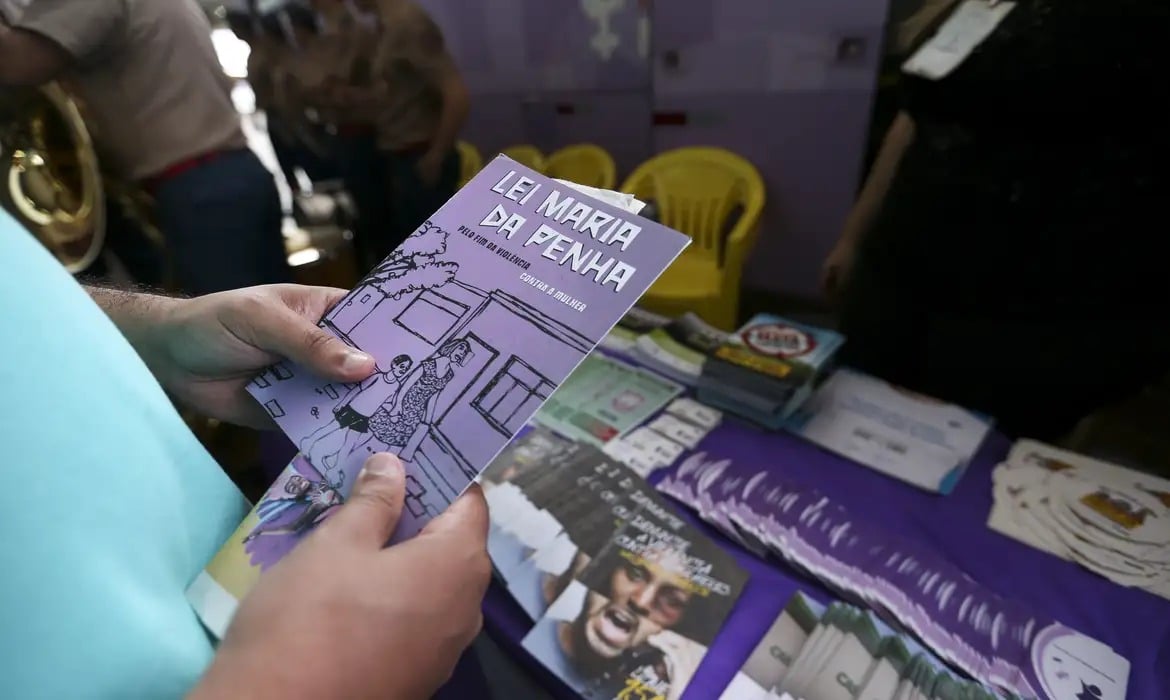
Três Lagoas has registered a historic surge in requests for protective measures, with 874 protective orders of urgency sought in the municipality this year, according to data from the Civil Police. Beyond the numerical milestone, officials say the figures point to improved access to legal tools that provide immediate safety for victims of domestic violence.
Protective orders in Brazil see quicker judicial response in Três Lagoas
Local authorities report that the speed of judicial analysis has been a decisive factor in making protective orders effective. The average assessment time for requests dropped sharply from 16 days in 2020 to five days in 2024. The Delegacia de Atendimento à Mulher (DAM) confirmed that many measures have been granted in under 24 hours, enabling victims to gain a prompt, enforceable layer of protection.
Protective orders establish clear limits on the aggressor’s behaviour, restrict contact and can impose distance requirements or other constraints to reduce immediate risk. For victims, the legal instrument often represents the difference between ongoing fear and a chance to rebuild with a degree of safety.

Officials attribute the improved response to closer coordination between the Civil Police, the judiciary and the wider protection network. That integration has prioritised urgent cases and streamlined the route from complaint to court decision. The cooperation has included more efficient case-handling procedures at police stations, faster transmission of evidence and clearer channels between social services and legal authorities.
While the rise in requests points to growing reporting and demand for protection, specialists stress that numbers alone do not capture the full scale of domestic violence. Many incidents remain unreported for reasons that include fear of reprisals, financial dependence and social stigma. Still, the increased use of protective orders indicates greater awareness of available remedies and improved institutional capacity to respond.
Municipal authorities also emphasised that protective measures are only one element of a broader support system. Immediate orders must be paired with access to safe accommodation, psychological assistance, legal guidance and economic support to secure longer-term recovery for survivors. The faster judicial processing removes one barrier; the challenge now is to reinforce the network that sustains victims after an order is issued.
The Civil Police’s figures, which represent the highest number of requests in Três Lagoas’ recorded history, reflect both the severity of the problem and progress in the mechanisms that protect victims. Continued investment in training, inter-agency coordination and public awareness campaigns will be necessary to maintain timely access to protective orders and to extend support to those who still hesitate to come forward.
As authorities monitor the trend, the record number of protective orders stands as an indicator that victims are increasingly seeking legal protection and that institutions are capable of responding more rapidly when they do.
Key Takeaways:
- Três Lagoas registered 874 requests for protective orders, the highest on record for the municipality.
- Judicial processing times fell from an average of 16 days in 2020 to five days in 2024, with many orders granted in under 24 hours.
- Improved coordination between Civil Police, the judiciary and the protection network is credited for faster victim access to measures.