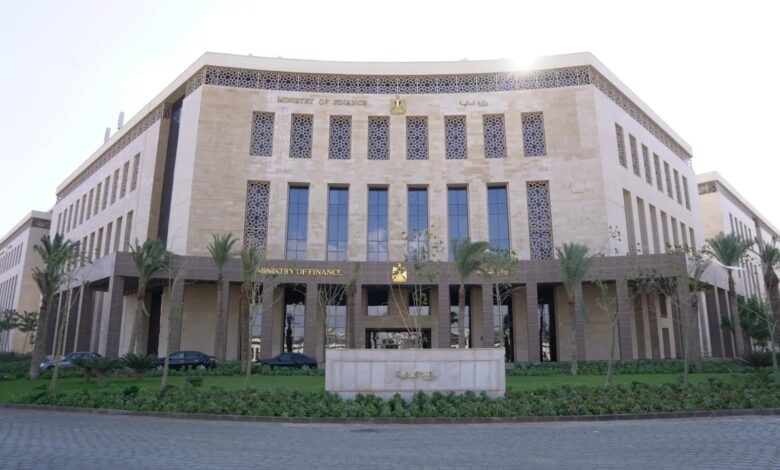
The Egyptian Ministry of Finance has confirmed it will offer eight treasury bill and bond tenders this week with a combined nominal value of EGP 190 billion as part of its rolling financing plan to cover the state’s funding needs.
Egypt T-bills and bonds auction details
The issuance schedule comprises four treasury bill tenders totalling EGP 160 billion and four treasury bond tenders amounting to EGP 30 billion. The treasury bill tranche includes a 91-day bill worth EGP 25 billion, a 182-day bill of EGP 40 billion, a 273-day bill of EGP 45 billion and a 364-day bill valued at EGP 50 billion. The bond offerings consist of EGP 8 billion in two-year bonds, EGP 4 billion in three-year bonds, a separate three-year bond tender of EGP 15 billion with a variable yield and a five-year bond tender of EGP 3 billion.
The primary market placements will be handled through 15 banks participating in Egypt’s Primary Dealers system. Those banks traditionally take the bulk of allocations and may subsequently distribute portions of the issues on the secondary market to both local and foreign individual and institutional investors. Banks remain the principal investor class for government papers issued to finance the general budget deficit.

What the issuance means for markets and policy
The size and composition of this week’s programme reflect an effort by the finance ministry to manage short- and medium-term funding while calibrating the maturity profile of public debt. Heavy issuance in shorter-dated treasury bills suggests a continued need for near-term liquidity to meet fiscal obligations, while the bond tenders — including a sizable variable-yield three-year instrument — allow the government to gauge investor appetite for different durations and pricing structures.
For investors, the auctions provide fresh supply across the curve and an opportunity to adjust duration exposure. Short-dated bills typically attract domestic banks and money-market funds seeking liquidity and predictable returns, whereas the fixed- and variable-rate bonds may appeal to longer-term institutional investors looking to lock in yields or to speculate on yield movements.
Market participants will monitor the accepted yields and subscription rates closely. Higher-than-expected demand could relieve near-term funding pressure and potentially moderate yields on existing instruments. Conversely, weak demand or rising accepted yields would increase the cost of borrowing and could prompt closer scrutiny of fiscal and monetary policy coordination.
Process and investor access
All tenders will be transacted through the primary dealers network, which acts as the conduit between the ministry and the wider investor community. After placement, allocations are commonly traded on the secondary market, enabling price discovery and liquidity for both domestic and overseas buyers. The ministry’s regular issuance schedule provides continuity for market participants and helps maintain benchmark yield curves for the Egyptian pound market.
Overall, the EGP 190 billion programme underlines the government’s ongoing reliance on domestic financing to fund the budget. The auctions this week will be a key data point for analysts and investors assessing Egypt’s short-term fiscal trajectory and the functioning of its domestic debt markets.
Key Takeaways:
- Egypt T-bills and bonds worth a combined EGP 190bn will be offered across eight tenders this week.
- The treasury bill programme totals EGP 160bn across 91-, 182-, 273- and 364-day maturities.
- Bond offerings total EGP 30bn, including two- and three-year issues plus a variable-yield three-year tender and a five-year bond.
- Fifteen primary dealer banks will place the issues, with banks remaining the primary investor base before resale on secondary markets.