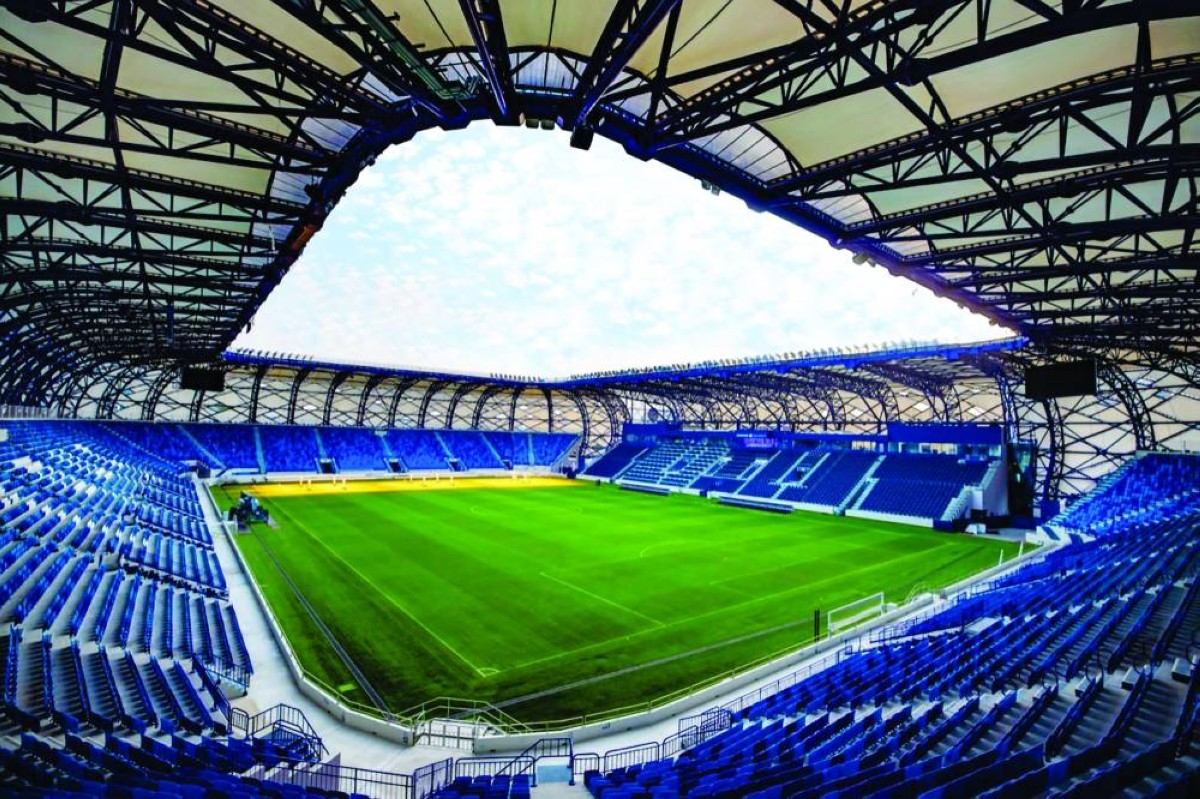
The United Arab Emirates has transformed its sporting landscape into a network of world-class venues that host premier international competitions and showcase advanced design and sustainability. Since the turn of the millennium the country has markedly expanded its stock of major facilities, driven by significant government investment and private-sector partnerships.
UAE sports infrastructure sets global standards
Official figures indicate that by 2024 the UAE hosted more than 150 major sports facilities, ranging from multi-purpose stadiums and indoor arenas to racing circuits and equestrian tracks. Investment in the sector has topped $10 billion over the past decade, enabling the construction and upgrade of venues that meet the highest technical and safety standards.
These projects have two clear aims: to provide top-level venues for athletes and spectators, and to position the UAE as a preferred destination for international tournaments. The strategy has proved successful. The country regularly welcomes global competitions including club and youth football world cups, international tennis and golf tournaments, swimming and martial arts world championships, and the Formula 1 Abu Dhabi Grand Prix.

Architectural ambition has played a large part in the UAE’s rise. New stadiums and arenas blend contemporary forms with cultural references. Hazza bin Zayed Stadium in Al Ain is praised for a design that draws on palm tree motifs, while Al Maktoum Stadium in Dubai combines modern aesthetics with advanced spectator amenities. Yas Marina Circuit is recognised among the world’s leading race tracks for its technical layout and facilities.
Technology features across venue operations. Many facilities now use smart systems to manage large crowds, deliver electronic ticketing and provide high-speed wireless connectivity for fans. These digital solutions improve safety and boost the match-day experience for attendees.
Sustainability is a central pillar of the UAE’s approach to sports infrastructure. More than 70 per cent of major venues apply environmental standards that reduce carbon footprints. Solar panels, water recycling systems for pitch irrigation and natural ventilation techniques are among the measures being deployed. Al Maktoum Stadium and Hazza bin Zayed Stadium are noted examples, employing advanced water management and renewable energy to lower operating emissions.
International recognition has followed. Several UAE venues have won global awards for design and sustainability, and have been rated highly by bodies such as FIFA and the IOC. These accolades reinforce the country’s reputation for delivering high-quality, safe and sustainable sports facilities.
Public investment combined with private partnerships has been central to the expansion. Authorities have channelled funding into large-scale projects while leveraging private expertise for construction and operations. The result is a diverse portfolio of facilities across the seven emirates, including stadiums in Abu Dhabi, Dubai, Sharjah and Al Ain, as well as specialised centres for cycling, equestrian sport, aquatic events and strength athletics.
Looking ahead, the UAE aims to maintain this momentum by continuing to upgrade existing venues and adopt further green technologies. With a proven capacity to host major events and a growing catalogue of award-winning architecture, the country is likely to remain a leading international hub for sport and a model for sustainable stadium design.
Key Takeaways:
- UAE sports infrastructure now exceeds 150 major venues and attracts top international events.
- More than 70% of major facilities apply sustainability measures such as solar power and water recycling.
- Over $10 billion invested in the sector through public and private partnerships in the past decade.
- Iconic venues like Hazza bin Zayed Stadium and Yas Marina Circuit combine architectural design and advanced technology.