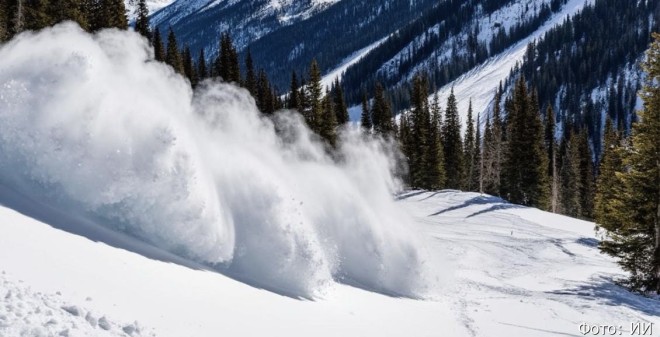
Authorities in Russia’s Kamchatka Peninsula have issued an avalanche warning that will remain in force until 4 January. The advisory covers numerous mountainous areas, including Yelizovsky and Ust-Bolsheretsky districts and parts of Petropavlovsk-Kamchatsky. Residents, visitors and anyone travelling in high-altitude terrain are urged to exercise heightened caution as winter weather continues to destabilise slopes.
Kamchatka avalanche warning and regions affected
The greatest danger has been reported in zones adjacent to the Paratunka river basin and on lands belonging to the Kronotsky Reserve. Emergency services have also highlighted increased avalanche risk on and around several volcanoes, notably Vilyuchinsky, Kozelsky, Koryaksky and Avachinsky, as well as the Klyuchevskaya group of volcanoes. These volcanic slopes, often steep and covered by heavy snow in winter, can present sudden and unpredictable hazards.
Local authorities are coordinating patrols and monitoring operations to identify and mark the most hazardous routes. Where feasible, municipal services are restricting access to known danger zones and advising people against venturing into backcountry areas without appropriate equipment and experienced guides. Tour operators and park officials have been told to review planned excursions and postpone non-essential trips into exposed terrain.

For residents living near the affected areas, officials advise remaining vigilant and following instructions from emergency services. In the event of any emergency, people are instructed to call the unified emergency number 112. Those who live in mountain settlements should check that they have emergency supplies and a clear evacuation plan. Drivers should also be prepared for sudden road closures or diversions, particularly on routes that pass near mountain passes or river basins prone to snow movement.
Tourists planning to visit Kamchatka during the advisory period should amend travel plans where necessary. Accommodation providers in Petropavlovsk-Kamchatsky and surrounding towns are expected to offer guidance to guests, while visitor centres and reserve authorities will provide the latest safety updates. Travellers without local knowledge or the correct winter equipment are advised to avoid independent excursions into high-risk areas.
Experts remind the public that avalanches can be triggered by a variety of factors, including recent heavy snowfall, rapid temperature changes, wind-driven snow deposits and ground instability on volcanic slopes. The combination of deep snowpack and steep gradients around the named volcanoes increases the probability of large snow slides once conditions deteriorate.
Emergency services continue to monitor weather and snowpack conditions and will update warnings as the situation evolves. People in affected areas should monitor official channels and local media for the latest bulletins and safety instructions. For immediate assistance, contact emergency services on 112.
Key Takeaways:
- Kamchatka avalanche warning remains in effect until 4 January, affecting Yelizovsky, Ust-Bolsheretsky and Petropavlovsk-Kamchatsky districts.
- Higher risk zones include the Paratunka river basin, Kronotsky Reserve lands and areas around several active volcanoes.
- Authorities advise residents and tourists to avoid mountain slopes and to call emergency services at 112 in case of urgent situations.