











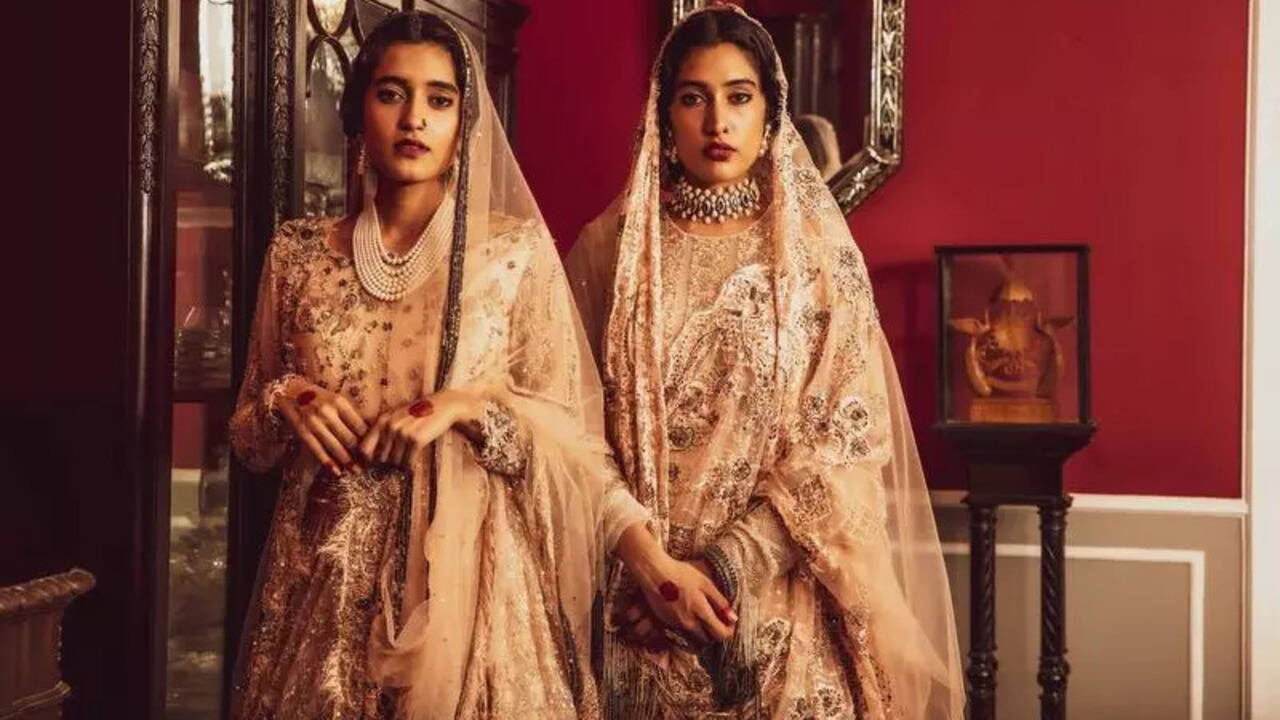
As India hosted a UNESCO summit at the Red Fort on safeguarding intangible cultural heritage and Jodhpur prepared for the return of its polo season, a quieter force was reshaping how tradition survives. Members of India’s erstwhile royal families are turning inherited privilege into practical interventions that keep crafts, music and rituals alive while creating livelihoods.
India cultural heritage in practice
Far from preserving artefacts behind glass, these custodians run foundations, reopen ateliers, stage festivals and build market linkages that let artisans earn a living. In Jaipur, Gauravi Kumari, general secretary of the Princess Diya Kumari Foundation, has led work that reached more than 50,000 women and girls with craft training, digital literacy and health camps. The foundation’s Project Raksha taught self-defence to 4,000 girls and opened skill centres in the city. The PDKF Artisan Collective and the PDKF Store at City Palace now give more than 50 women artisans market access and product platforms that blend Rajasthani craft with contemporary design.
In Baroda, Maharani Radhikaraje Gaekwad keeps the Lukshmi Vilas Palace active as a public venue. Her projects include craft ateliers, an eco-conscious heritage Garba and a transgender-run café, while partnerships such as the upcoming Rewild event with Anita Dongre link craft and conservation fundraising. Her work revives forgotten textile patterns through research and re-skilling so artisans can reclaim traditional techniques and reach new buyers.

The Holkar family in Maheshwar has long supported handloom weaving. Yeshwant Holkar manages Ahilya Fort and the Holkar Cultural Centre, while the REHWA Society preserves Maheshwari weaving through design updates and market connections. Recent exhibitions and collections have shown there is appetite among connoisseurs for textiles that combine old methods with new ideas, helping weavers access paying customers and stabilise incomes.
In Kishangarh, Studio Kishangarh under Vaishnavi Kumari focuses on miniature painting and contemporary artwork that maintain historic methods while finding new patrons. The studio’s exhibitions and education programmes aim to recast miniature painting from a purely craft category into a living art practice that appeals to collectors and galleries.
At Belgadia Palace in Odisha, sisters Mrinalika and Akshita Bhanj Deo have developed initiatives that support Chhau dancers, Dhokra artisans and Sabai grass craftswomen through fair compensation, design collaborations and market access. Their Mayurbhanj Festival and other events highlight local performance traditions and create tourism and sales opportunities, while community programmes promote education and women’s empowerment.
Across these projects the model is consistent: combine heritage stewardship with economic strategies so traditions do not survive only as museum pieces but as viable livelihoods. Foundations run training programmes, incubate design ideas and host markets; palaces become venues that attract visitors and buyers.
These efforts link cultural preservation to social and economic goals. By prioritising artisans and audiences, royal custodians are helping crafts adapt to contemporary demand without losing their core techniques. For policy makers and cultural organisations, their work offers a practical blueprint for sustaining intangible heritage through community-led, market-aware initiatives.
Key Takeaways:
- India cultural heritage is being sustained by royal heirs who run foundations, fairs and craft collectives that link tradition with income.
- Programmes such as PDKF, REHWA and Studio Kishangarh train artisans, open markets and modernise designs for wider appeal.
- Festivals and palace projects from Baroda to Belgadia create platforms for artisans, support women’s livelihoods and attract new audiences.








